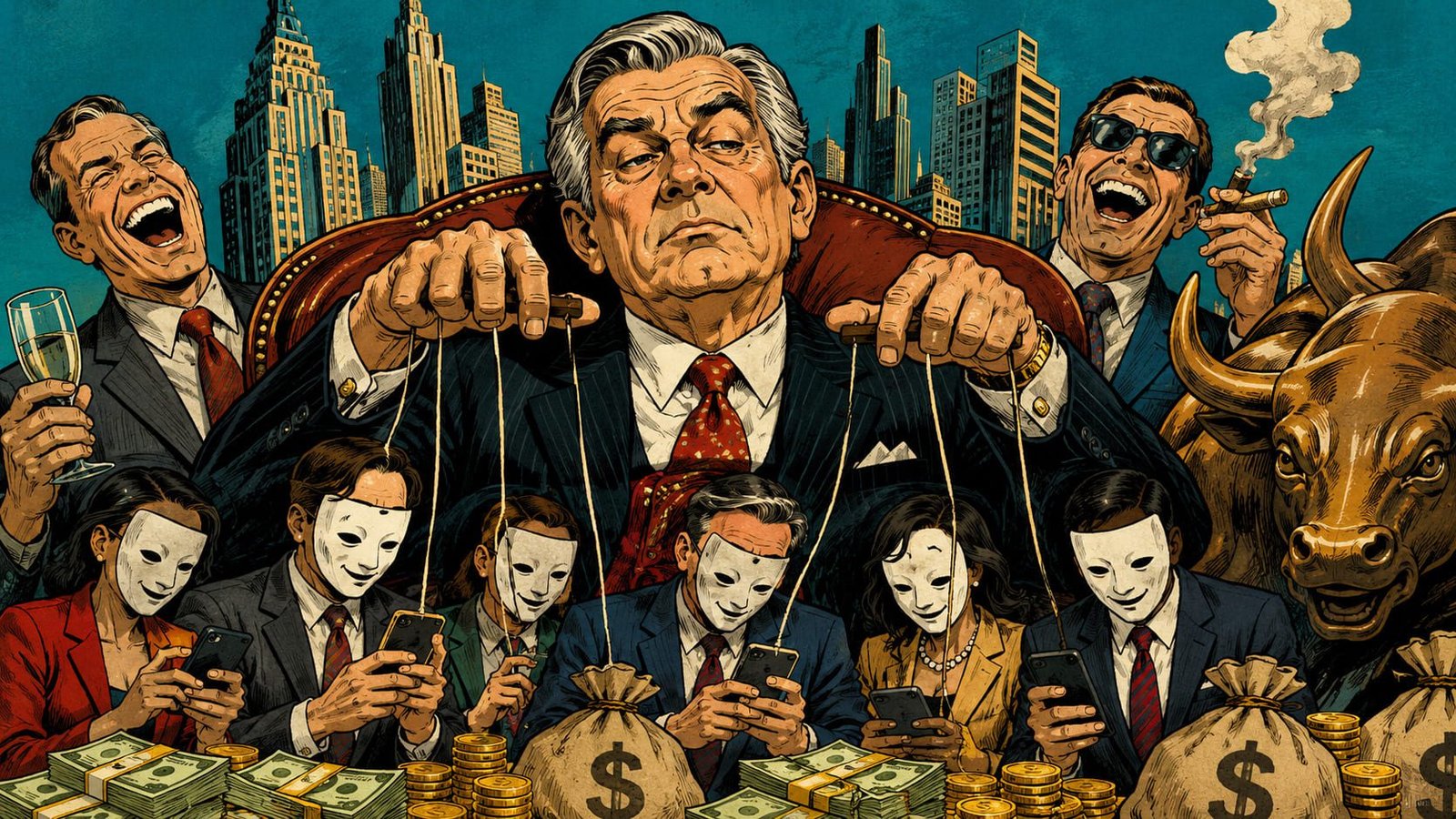
New York moved like a nervous bloodstream after the financial crash. Traders stormed through Lower Manhattan carrying cold coffee and hotter fear. Television screens glowed inside bars at noon while anchors spoke about recovery with the exhausted optimism of casino dealers reopening after a fire. Luxury apartments still towered over the river. Black cars still lined the curbs. Yet beneath the polished confidence sat a deeper anxiety, the kind that lingers after a civilization realizes its priests may have been gamblers all along.
Wall Street: Money Never Sleeps enters that atmosphere like a wolf returning to familiar hunting grounds. Directed by Oliver Stone, the film resurrects Gordon Gekko, played with predatory magnetism by Michael Douglas, years after prison and financial disgrace. The world has changed. Technology moves faster. Markets have become more abstract. Billion-dollar trades now happen with the emotional texture of swiping a phone screen. Yet the emotional engine driving modern capitalism remains hauntingly familiar: the belief that intelligence exempts certain people from consequence.
Gekko no longer feels like a man. He feels like an economic ghost haunting the architecture of modern ambition. Older now, calmer, almost philosophical, he wanders through the film like someone who survived a war only to discover the battlefield expanded into everyday life. Younger financiers quote ethics publicly while constructing systems designed to privatize rewards and distribute pain. The movie understands something uncomfortable about financial culture: collapse rarely destroys the appetite that caused it. It simply updates the vocabulary. Yesterday’s greed becomes today’s innovation. Yesterday’s recklessness rebrands itself as disruption.
A fintech strategist in Stockholm named Elian once attended a private investor dinner hosted inside a rooftop restaurant overlooking frozen harbor water. Executives spent hours discussing “human-centered finance” while junior analysts quietly refreshed market apps beneath the tablecloths. Near midnight, one founder admitted his startup made more money from customer confusion than actual product value. Nobody looked shocked. One venture capitalist laughed so hard wine spilled onto his cufflinks. Elian left the dinner early and walked home through snow carrying the strange feeling that modern business had perfected the art of sounding ethical without changing its instincts. Wall Street: Money Never Sleeps lives inside that exact contradiction.
The younger protagonist Jake Moore, played by Shia LaBeouf, represents a generation raised inside financial mythology after the damage was already done. He wants meaning and wealth simultaneously. That tension gives the film its pulse. Jake believes intelligence and sincerity can coexist within a system optimized for extraction. Countless ambitious professionals carry the same hope into consulting firms, startups, hedge funds, and media companies every year. Then reality introduces itself slowly. Promotions reward optics. Loyalty bends around incentives. Relationships become strategic assets disguised as affection.
The film becomes especially sharp when examining family and inheritance. Gordon’s fractured relationship with his daughter Winnie, portrayed by Carey Mulligan, transforms the story from financial thriller into emotional autopsy. Wealth here behaves like radiation. Invisible at first. Devastating over time. Gekko built fortunes mastering markets while failing catastrophically at intimacy. That imbalance feels deeply modern. Entire industries celebrate professional obsession while treating emotional availability like a charming hobby for less ambitious people. The result appears everywhere: successful individuals eating expensive dinners alone while answering emails beneath dim restaurant lighting.
One remarkable aspect of the film is how accurately it captures the theater of expertise. Financial television personalities speak with absolute confidence moments before disaster unfolds. Analysts use elegant jargon to disguise uncertainty. Rooms filled with expensive suits panic privately while projecting certainty publicly. It resembles a sci-fi empire moments before collapse, everyone continuing protocol while alarms quietly scream behind the walls. The 2008 financial crisis exposed how fragile many supposedly sophisticated systems truly were. This film refuses to let audiences forget that fragility.
There is also a deeply human sadness running beneath the spectacle. Gordon Gekko spent years believing accumulation itself could satisfy emotional hunger. Prison stripped away the illusion but not the instinct. Michael Douglas plays him with the weariness of a man who understands the game completely and no longer trusts victory. That performance gives the film unusual depth. Modern culture worships winning obsessively yet rarely examines what repeated competition does to the soul. People learn how to acquire attention, leverage, and influence. Few learn how to exist peacefully once they have them.
One evening in São Paulo, a corporate attorney named Renata watched her managing partner close a massive merger deal after months of relentless negotiations. The office erupted into applause. Champagne bottles opened. Someone ordered luxury sushi past midnight. Renata noticed the partner sitting alone afterward beside a dark conference window staring into the city without touching his drink. His tie hung loose. His face looked almost frightened. “Nobody tells young professionals this part,” he whispered quietly when she approached. “The climb changes shape after a while. Then one day the ladder feels lonelier than the ground.” That line could have lived comfortably inside Wall Street: Money Never Sleeps because the movie understands success as both seduction and corrosion.
By the end, Manhattan still pulses with appetite and velocity. Screens continue flashing numbers powerful enough to rearrange lives overnight. Young dreamers still arrive carrying polished resumes and carefully rehearsed ambition. Somewhere above the city, another executive studies markets glowing blue in the darkness while convincing himself control still exists. The film leaves behind a realization colder than cynicism: financial systems rarely learn morality from collapse. They learn camouflage. And in cultures where image outruns conscience, the most dangerous predators are often the ones who sound reformed while teaching the next generation how to hunger more elegantly.
Editorial Disclaimer: Whether a film is rooted in fiction or inspired by real events, the actions, decisions, and behaviors portrayed within are not intended to be encouraged, replicated, or endorsed in real-world settings. This review exists solely to analyze the storytelling, characters, themes, and business dynamics presented in the film for educational, analytical, and entertainment purposes. Any ethical or unethical conduct depicted in the film does not reflect the views, values, or endorsements of ESYRITE.
