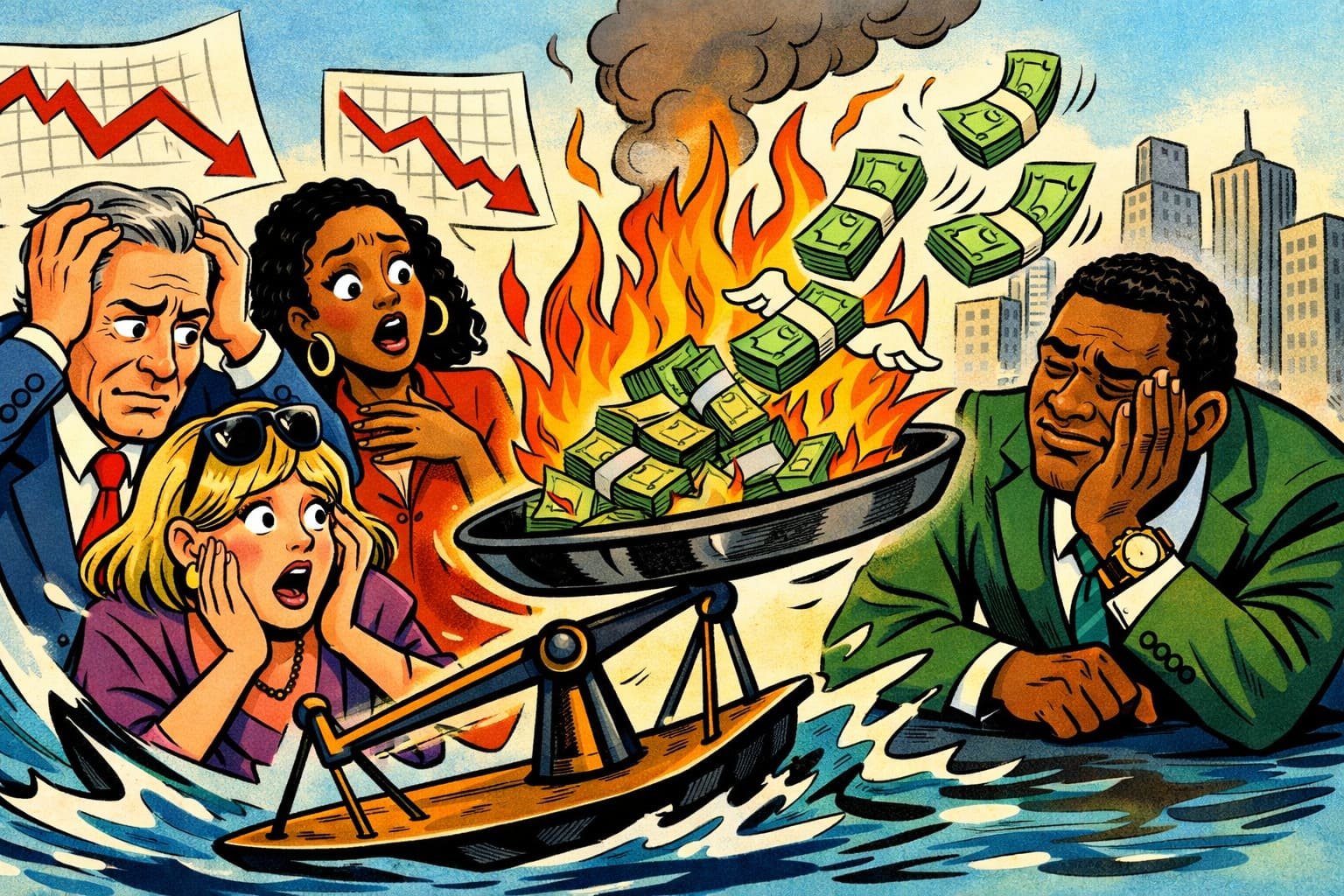
A celebration was underway inside the headquarters. Revenue had climbed, customers were loyal, and the founder walked through the corridors with quiet confidence. Then a buyer arrived with an offer that landed like cold rain on a summer afternoon. The number was far lower than expected. Confusion spread across the room because everyone believed the business was worth far more. The market had exposed a painful truth. Value is never determined by affection alone.
Many owners mistake hard work for market value. Years of sacrifice, sleepless nights, and personal risk create emotional equity, but buyers calculate something very different. They examine reliable cash flow, operational systems, leadership depth, customer concentration, and future resilience. Sentiment rarely appears on their checklist. A company can be deeply loved by its founder and still struggle to command a premium price. That disconnect surprises countless entrepreneurs who assume dedication automatically increases valuation.
One of the most expensive business value errors is becoming indispensable. Founders often approve every payment, negotiate every contract, and solve every crisis themselves. It feels responsible. It also weakens the company’s attractiveness. Investors look for businesses that function independently because continuity reduces uncertainty. The stronger the systems become, the less dependent the organization is on one individual. Ironically, stepping back often increases value far more than working harder ever could.
Nadia built a respected food distribution company through persistence and remarkable customer service. Every major client insisted on speaking directly with her. She viewed that loyalty as proof of strength. A prospective investor saw something else. If Nadia stepped away, relationships might disappear overnight. She spent the following years building leadership teams, documenting processes, and introducing clients to senior managers. When negotiations reopened, confidence had replaced hesitation because the business could now stand on its own.
The corporate world has offered similar lessons. McDonald’s became a global powerhouse not because every restaurant depended on one charismatic leader, but because repeatable systems made quality predictable across markets. Customers trusted the experience regardless of location. Investors valued that consistency. The principle extends far beyond restaurants. Businesses earn stronger valuations when excellence becomes a process rather than a personality trait.
Another common mistake involves ignoring governance until an acquisition becomes possible. Financial records remain scattered. Contracts lack consistency. Intellectual property receives little attention. Decision making exists inside conversations instead of documented policies. These issues rarely disrupt daily operations, yet they become glaring weaknesses during due diligence. Buyers interpret disorder as hidden risk. Every unanswered question quietly lowers confidence, and lower confidence almost always translates into lower offers.
The strongest companies prepare for valuation long before they intend to sell. They review operations with fresh eyes, strengthen financial reporting, diversify customer relationships, and invest in leadership development. Those improvements do more than increase potential sale prices. They create healthier organizations capable of surviving economic uncertainty and leadership change. Even owners who never intend to sell benefit because disciplined businesses adapt faster when markets shift unexpectedly.
Somewhere between ambition and legacy, every entrepreneur eventually confronts the same uncomfortable realization. A business is measured less by the effort invested than by the future it can deliver without its creator standing at the center of every decision. Markets reward preparation over pride. They reward resilience over reputation. The question that lingers is both simple and unsettling: if tomorrow demanded an exit, would the business still convince the world that its brightest chapter had only just begun?
