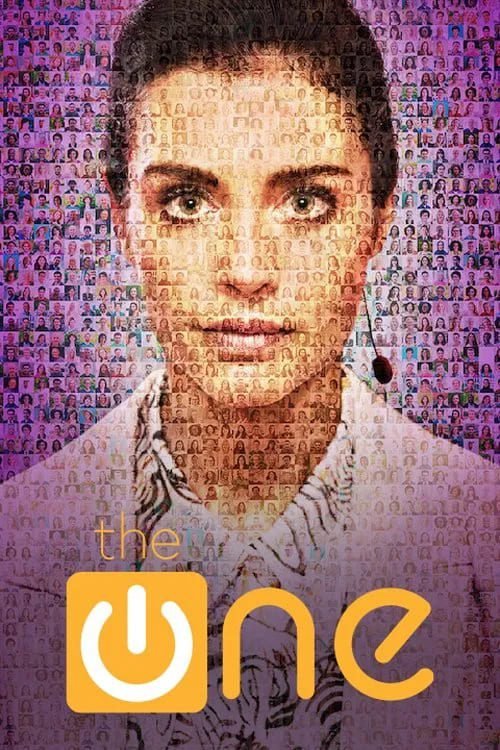
Imagine a world where falling in love is no longer an accident of fate but a product of cutting-edge science. The One pulls you into a landscape where a single strand of hair can decide your soulmate, and romance is just a cheek swab away from forever. Netflix’s sci-fi drama spins an electrifying web of mystery, ambition, and heartbreak, diving headfirst into the chaos unleashed when technology tries to automate the oldest human quest—finding true love.
At the heart of the story is Rebecca Webb, a visionary entrepreneur whose startup, The One, revolutionizes relationships. By claiming that anyone can meet their genetically “perfect” partner, she sets off a chain reaction that entangles science, morality, and the fragility of human emotion. The show is never content with simple answers. Instead, it asks: What would you risk for a shot at perfect happiness? Could a DNA test really promise a flawless love story, or would it spark consequences that nobody could predict?
Each episode raises the stakes, spinning tales of desire, obsession, betrayal, and the dark side of longing. Characters are tested by impossible choices. Some are desperate for answers, others hide secrets, while a few refuse to let science dictate their hearts. Every plot twist feels like a jolt, turning a romance drama into a psychological thriller that never lets you settle in. It’s easy to see why viewers get hooked: each character’s journey is laced with unexpected revelations and razor-sharp tension.
Tech utopians might dream of a future where algorithms eliminate loneliness, but The One reminds us that love, at its core, is wild, unpredictable, and sometimes dangerous. The series captures that tension beautifully, using DNA as both a metaphor and a plot device. Can technology really bypass years of dating disasters, heartbreak, and mismatches, or does it create a new set of problems that society is not ready to solve? The show tackles these dilemmas with a mix of humor, grit, and an unflinching gaze into the consequences of our choices.
Real-world parallels abound. Modern dating apps promise effortless connections, yet they often deliver confusion, frustration, and a carousel of short-term thrills. The One magnifies those frustrations and asks: What if technology went even further? What if you could cut through the noise, swipe left on disappointment forever, and zero in on “the one” you were literally born to love? The results are seductive, scary, and ultimately, deeply human. By blending sharp social commentary with heart-stopping suspense, the show sparks a fierce debate: Is a life built on perfect matches really better, or just perfectly terrifying?

Quick Notes
- The show explores a world where DNA testing can identify your one true romantic match.
- The storyline weaves together themes of love, power, science, and deception.
- Characters face tough moral choices as technology disrupts their relationships and lives.
- The series delivers a mix of suspense, mystery, and emotional drama with unpredictable twists.
- Real-world questions about privacy, ethics, and what it means to love are front and center.
When Science Takes the Wheel in the Search for Love
A bold vision launches The One, promising an era where heartbreak becomes obsolete and soulmates are just a laboratory test away. Rebecca Webb, the company’s enigmatic founder, quickly rises to celebrity status as the woman who reimagined romance for the digital age. Her journey, however, is far from straightforward. Dark secrets from her past threaten her empire, and every attempt to stay ahead of scandal only tightens the web she’s spun for herself and those around her.
The show unfolds through a tapestry of interconnected stories. Across London, hopeful singles, struggling couples, and lifelong friends all test the boundaries of trust, loyalty, and longing. Some are desperate to find their genetic other half, convinced that happiness can finally be guaranteed. Others resist the idea that chemistry is destiny, fighting to protect the fragile loves they already have. The tension between old-fashioned feelings and high-tech matchmaking drives every scene.
Each relationship is a case study in emotional turbulence. One marriage unravels when a partner meets their “perfect” match, while another is tested by jealousy, secrecy, and the urge to know whether love is a matter of choice or a matter of code. The show excels at revealing how technology not only brings people together but also pulls them apart. Ambition, betrayal, and regret color every storyline, as characters wrestle with questions no algorithm can answer.
Crime and corporate intrigue add layers of suspense, turning the drama up to eleven. A body in the river, a detective on the hunt, and a boardroom full of rivals keep the stakes sky-high. Secrets surface, and even the most powerful characters are forced to confront their own vulnerabilities. The storytelling is taut, the pacing relentless, and the emotional stakes always feel personal.
As the season races toward its finale, the world around The One begins to unravel. Utopian dreams collide with cold reality, and every character is forced to make choices that will echo long after the credits roll. The ending is not a neat bow on a perfect package. Instead, it’s a provocative open question: Can love ever be engineered, or does every attempt to control it only lead to chaos?
Key lessons and Insights to learn from the TV Show
The One serves as a cautionary tale about the seductive promise of technological progress. Just because science can offer a shortcut to happiness doesn’t mean it should. When love becomes transactional, the messy complexity of real relationships gets lost. True connection, the series argues, isn’t just about compatibility scores or genetic markers. It grows in the unpredictable space between desire, vulnerability, and shared experience.
Technology’s intrusion into romance also highlights the risks of surrendering too much control. When personal data is the new currency, privacy and autonomy become precious commodities. The show’s DNA-matching concept is a thinly veiled metaphor for how dating apps and social platforms mine our deepest secrets, often with consequences we don’t anticipate. Every new convenience comes at a price, and sometimes that price is our own agency.
The series doesn’t shy away from the dangers of ambition and unchecked power. Rebecca’s rise from outsider to industry titan is built on sacrifice, manipulation, and buried truths. Her journey reminds viewers that the drive to succeed can erode empathy, corrupt intentions, and spark unintended disaster. The real “one” in our lives might not be a soulmate, but the person we become when no one’s watching. Success built on deception is never sustainable.
Society’s obsession with perfection is another theme that threads through every storyline. In the search for flawless matches, characters overlook the beauty in imperfection. Real-life case studies show that the happiest couples often share little in common on paper, but thrive because they work through differences, adapt, and embrace change. Algorithms can’t capture the nuance of growth, forgiveness, and shared struggle.
Finally, the show encourages viewers to embrace uncertainty. Love’s unpredictability isn’t a bug—it’s a feature. Chasing guarantees may provide comfort, but it’s the surprises, setbacks, and serendipity that make relationships meaningful. The One urges us to accept risk, lean into the unknown, and value the journey as much as the destination. Only by letting go of control do we discover what really matters.
Reflections on Romance, Risk, and the Limits of Science
Unraveling the final threads of The One leaves viewers contemplating a brave new world where technology promises to fix the oldest human problem. Yet, beneath the glossy exterior, lies a truth as old as time: shortcuts rarely lead to real fulfillment. Each storyline is a mirror reflecting our modern anxieties—privacy, belonging, and the urge to believe in magic, even when data says otherwise.
Viewers come away from the series with a heightened awareness of how easily innovation can outpace ethics. Tech companies today wield enormous influence, shaping not only how we find love but how we understand ourselves. Just as The One’s algorithm shakes up romance, real-world dating platforms have redefined social life, for better and worse. The consequences play out not just in headlines, but in the living rooms, bedrooms, and break rooms of every generation.
Personal stories from outside the show drive the lessons home. Take the rise of “catfishing” scams or the heartbreak of relationships destroyed by online secrets—both stark reminders that technology is no panacea for emotional risk. A friend’s whirlwind romance that started on a genetic matching app fizzled out, not because the data was wrong, but because chemistry and compatibility aren’t enough to weather life’s storms. True partnership, they learned, takes work that no algorithm can automate.
The series is a compelling argument for keeping humanity at the heart of progress. The desire to engineer love speaks to a deep longing for certainty in a chaotic world, yet history’s happiest relationships are rarely the product of predictability. Instead, they are forged through challenge, resilience, and an ability to grow together through trial and error. The One’s vision may be seductive, but it’s the messy, improvisational dance of real connection that endures.
Netflix’s drama leaves you craving answers—and perhaps, even more, questions. Would you trust your heart to a lab? Is there a perfect match, or is that just clever marketing? The answers might be different for everyone, but the conversation is more important than ever. The future of romance won’t be written by algorithms alone. It will depend on the choices we make, the risks we take, and the courage to seek meaning beyond the boundaries of certainty.
Disclaimer
It’s also critical to remember that whether the TV Show is either a work of fiction or real life depiction it must be emphasized that the actions depicted within are not encouraged in reality and shouldn’t be imitated.
