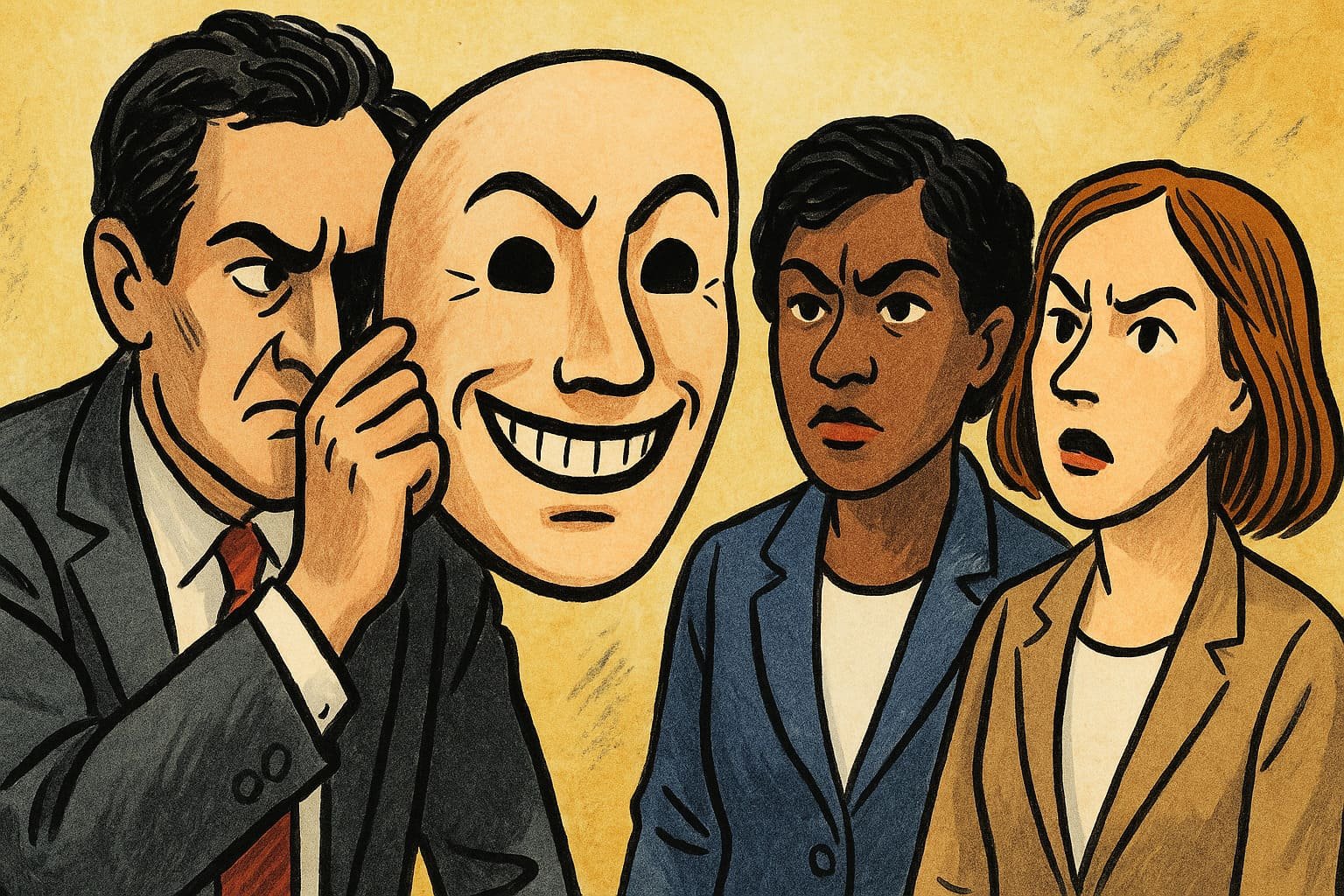
The applause echoed across the conference hall, yet the chief executive wore the unmistakable expression of someone carrying a secret. Every presentation promised purpose. Every slogan celebrated values. Every advertisement declared a customer-first philosophy. Behind closed doors, employees felt ignored, clients struggled for answers, and trust slowly evaporated. The performance looked flawless from a distance. The business itself was quietly losing its identity. Authenticity is not built through polished branding. It is earned through ordinary decisions repeated when nobody is watching.
Modern customers have become remarkably skilled at detecting pretense. They notice when a company promotes transparency but avoids difficult conversations. They recognize when sustainability campaigns exist only for marketing while daily operations tell another story. Authentic businesses align their promises with their behavior. That consistency creates loyalty because people remember how an organization made them feel long after promotional messages disappear. Reputation grows from actions, not advertising. Every genuine interaction becomes another investment in lasting credibility.
A family-owned outdoor clothing company discovered this during a difficult supply chain disruption. Competitors quietly delayed shipments while continuing optimistic marketing campaigns. Instead of hiding the problem, the founders explained the situation openly through customer newsletters and social media updates. They described the challenges, shared realistic timelines, and answered uncomfortable questions directly. Many buyers waited patiently rather than canceling orders. Honest communication transformed disappointment into trust because customers believed the people behind the brand rather than polished corporate language.
Some of the world’s most admired companies have built enduring reputations by standing firmly behind their principles. Patagonia became widely respected not simply because it sells outdoor apparel but because its environmental commitments consistently influence business decisions. Leadership expert Simon Sinek often argues that people buy why an organization exists before they buy what it sells. Authenticity turns purpose into action. Without visible action, purpose quickly becomes another forgotten marketing phrase pinned to an office wall.
Authenticity also transforms internal culture. Employees quickly recognize whether leadership practices the values displayed in recruitment campaigns. Fair treatment, open communication, and consistent decision-making inspire commitment that financial incentives alone cannot purchase. Organizations where leaders admit mistakes create workplaces where learning replaces blame. Teams contribute more confidently because honesty no longer carries unnecessary risk. Authentic cultures encourage people to solve problems instead of protecting appearances. That freedom often unlocks innovation hiding beneath fear.
Pretending to be something else drains enormous energy. Businesses spend valuable time maintaining carefully crafted images rather than improving products, strengthening relationships, or serving customers. Authentic organizations simplify decision-making because every choice passes through a clear set of values. Difficult situations become easier to navigate when principles already exist before pressure arrives. Integrity reduces hesitation. Employees understand the direction because leadership consistently demonstrates it instead of merely discussing it during annual meetings.
Authenticity should never be confused with perfection. Customers understand that mistakes happen. Markets change. Unexpected setbacks appear without warning. What matters is how organizations respond. Honest explanations, meaningful accountability, and visible improvements often strengthen relationships after difficult moments. Ironically, carefully hiding imperfections usually damages trust more than admitting them. Businesses willing to reveal their humanity often build stronger emotional connections than those trying endlessly to appear flawless.
Eventually every brand reaches a moment when polished messaging can no longer conceal ordinary reality. That moment reveals whether the organization has been performing a role or living its values. Authentic businesses do not chase admiration. They quietly earn it through thousands of consistent choices that rarely make headlines. In the end, customers remember the truth they experienced, not the story they were sold. The strongest brand will always belong to the company brave enough to be exactly what it claims to be.
