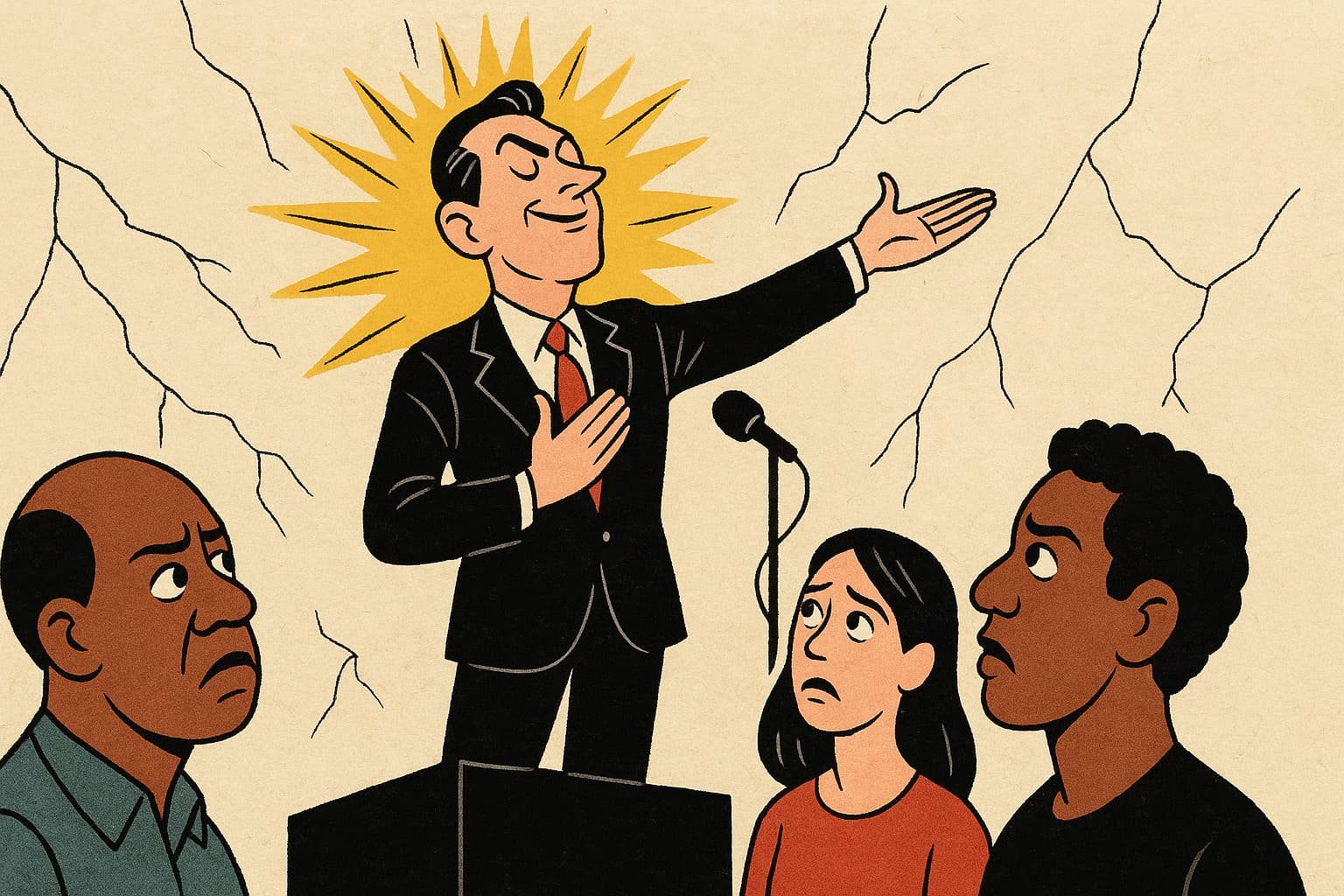
The boardroom looked almost sacred. Glass walls reflected polished confidence while applause echoed with the certainty of people convinced they had found a visionary. Every decision seemed brilliant because every voice around the table repeated the same approval. A leader stood at the center like the hero of a blockbuster, admired, celebrated, almost untouchable. The atmosphere carried an uncomfortable silence beneath its excitement. Few noticed that admiration had quietly replaced accountability. That subtle exchange marks the beginning of many corporate tragedies long before financial losses ever appear on balance sheets.
Charismatic leadership often disguises narcissistic behavior because confidence attracts attention while humility rarely dominates headlines. Organizations naturally reward bold vision, decisive action, and persuasive storytelling. Those strengths become dangerous when they evolve into a constant need for admiration and control. Employees stop questioning poor decisions because disagreement feels professionally risky. Meetings become performances rather than discussions. Innovation slowly fades as curiosity disappears. Business history repeatedly shows that companies lose their competitive edge when leaders become convinced that personal instincts outweigh collective intelligence and evidence gathered across the organization.
The danger is not confidence itself. Strong executives need conviction during uncertainty. The problem begins when every success reinforces the illusion of personal infallibility. Leadership scholars often describe this as a feedback loop where praise replaces learning. Healthy organizations create systems that challenge assumptions before expensive mistakes occur. Narcissistic environments do the opposite. Information becomes filtered. Bad news travels slowly. Honest conversations disappear. Eventually, strategy reflects ego instead of market reality, leaving businesses vulnerable while competitors quietly gain ground through disciplined execution and constant adaptation.
One technology founder named Elias built an artificial intelligence startup that attracted global investors almost overnight. His presentations captivated audiences, and customers admired his ambition. Inside the company, another story unfolded. Engineers stopped presenting concerns because criticism triggered public humiliation. A product launch moved forward despite repeated warnings about security flaws. The software failed dramatically, customers departed, and investors lost confidence within months. The collapse surprised outsiders, yet employees recognized the warning signs long before headlines appeared because culture had already begun breaking apart from within.
Corporate history offers similar lessons through real organizations. The downfall of several once dominant companies rarely began with poor products alone. Leadership cultures discouraged dissent, rewarded loyalty above competence, and celebrated personality instead of disciplined management. Researchers studying executive behavior consistently observe that resilient companies encourage constructive disagreement. Leaders such as Satya Nadella reshaped organizational culture by emphasizing curiosity, learning, and empathy instead of personal glory. That cultural shift became a strategic advantage because innovation thrives where psychological safety exists and thoughtful disagreement remains welcome.
Business schools often teach competitive strategy through market positioning, operational excellence, and financial discipline. Those principles remain essential, yet organizational psychology deserves equal attention. Every spreadsheet reflects human decisions. Every merger reflects emotional judgment. Every innovation depends on relationships built through trust rather than fear. Peter Drucker famously argued that culture eats strategy for breakfast, a phrase repeated because experience continues proving it true. When narcissism dominates leadership, culture quietly changes from collaborative exploration into emotional survival, limiting creativity before performance metrics reveal deeper problems.
There is another uncomfortable truth hidden beneath these leadership stories. Narcissistic executives rarely begin their careers intending to damage organizations. Success slowly isolates them. Praise grows louder than criticism. Advisors become gatekeepers instead of challengers. Small compromises accumulate until reality becomes difficult to recognize. Employees adapt through silence because preserving careers feels safer than protecting long-term strategy. The organization still appears successful from outside. Inside, trust quietly evaporates. That invisible erosion often becomes the true competitive threat, long before declining revenue finally attracts public attention.
Somewhere beyond quarterly earnings and polished shareholder presentations stands a quieter measure of leadership. It appears in conversations where junior employees speak honestly without fear, where disagreement earns respect instead of punishment, and where success belongs to the organization rather than a single personality. Those companies rarely dominate headlines with dramatic stories because disciplined leadership is rarely theatrical. Yet they endure. The greatest business legacy is never becoming the smartest person in the room. It is building a room where truth always speaks louder than applause.
