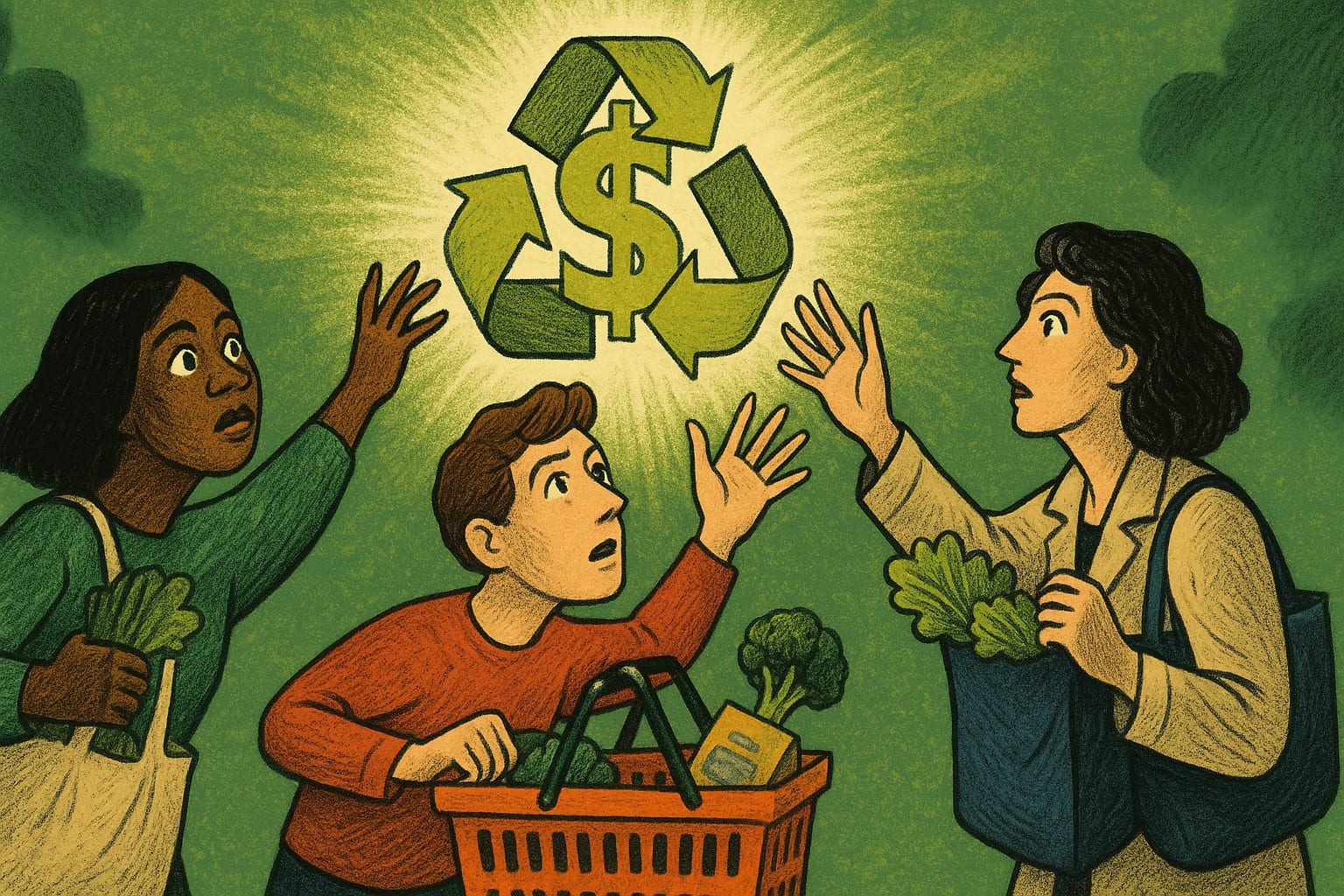
The shopping bag looked reassuringly green. Leaves curled across the packaging, the words “natural” and “eco-friendly” appeared in elegant lettering, and a tiny recycled symbol completed the performance. Standing in the checkout line, customers felt they had made a responsible choice. Weeks later, an environmental investigation revealed the packaging had been manufactured with little concern for the promises printed across its surface. The color green had sold the story. The truth had quietly stayed behind the factory gates.
Sustainability has become one of the most valuable words in modern business, yet it has also become one of the most abused. Companies have discovered that environmental messaging attracts attention, builds goodwill, and influences purchasing decisions. Unfortunately, some organizations stop at the message instead of continuing into meaningful action. Consumers have noticed. Greenwashing has created a marketplace where every environmental claim receives closer scrutiny than ever before. Trust no longer grows because a brand talks about sustainability. It grows because people can verify it.
Patagonia earned lasting credibility by making environmental responsibility part of its business model rather than a seasonal campaign. The company openly discusses product longevity, repairs, and responsible consumption, even when those conversations do not encourage immediate purchases. That consistency separates purpose from promotion. Sustainability becomes believable when it influences difficult business decisions instead of appearing only in advertisements. Customers rarely expect perfection, but they quickly recognize the difference between genuine commitment and carefully designed symbolism.
Nora operated a small candle company using locally sourced ingredients and refillable glass containers. Sales remained modest despite offering products with a smaller environmental footprint than many larger competitors. During a weekend market, a customer asked a simple question. “Can I see how these are actually made?” Instead of explaining, Nora invited visitors into her workshop every Friday afternoon. They watched wax being poured, jars cleaned for reuse, and leftover materials carefully recycled. The tours became more influential than any social media campaign because transparency transformed curiosity into confidence.
Businesses often assume sustainability begins with expensive technology or dramatic operational change. More frequently, it begins with small decisions repeated consistently. Reducing unnecessary packaging, designing products that last longer, supporting responsible suppliers, and communicating honestly about progress all strengthen credibility over time. These improvements may appear ordinary from the inside. Customers experience them differently. Every visible action quietly reinforces the belief that the company values responsibility beyond marketing language.
Environmental responsibility also creates unexpected commercial advantages. Employees increasingly prefer organizations whose values match their own. Investors pay closer attention to long-term resilience rather than short-term appearances. Customers willingly recommend businesses that align profit with purpose because doing so reflects their own identity. Sustainability therefore becomes more than an environmental initiative. It evolves into a strategic framework shaping recruitment, innovation, customer loyalty, and organizational resilience at the same time.
Perhaps the most surprising lesson is that shoppers rarely demand flawless environmental performance. They respond more positively to honest progress than unrealistic promises. A company explaining where it still falls short often appears more trustworthy than one claiming complete success. Humility carries unusual strength in an era crowded with exaggerated claims. Every meaningful improvement becomes another chapter in a story customers want to support because they can see genuine effort replacing polished performance.
Years after advertisements fade and product designs evolve, businesses are remembered for the footprints they leave behind, not only on balance sheets but also on communities, landscapes, and everyday lives. Some companies will be remembered for painting themselves green. Others will be remembered because they quietly helped make responsible choices easier for millions of people. History has an inconvenient habit of separating the two, even when today’s marketplace struggles to do so.
