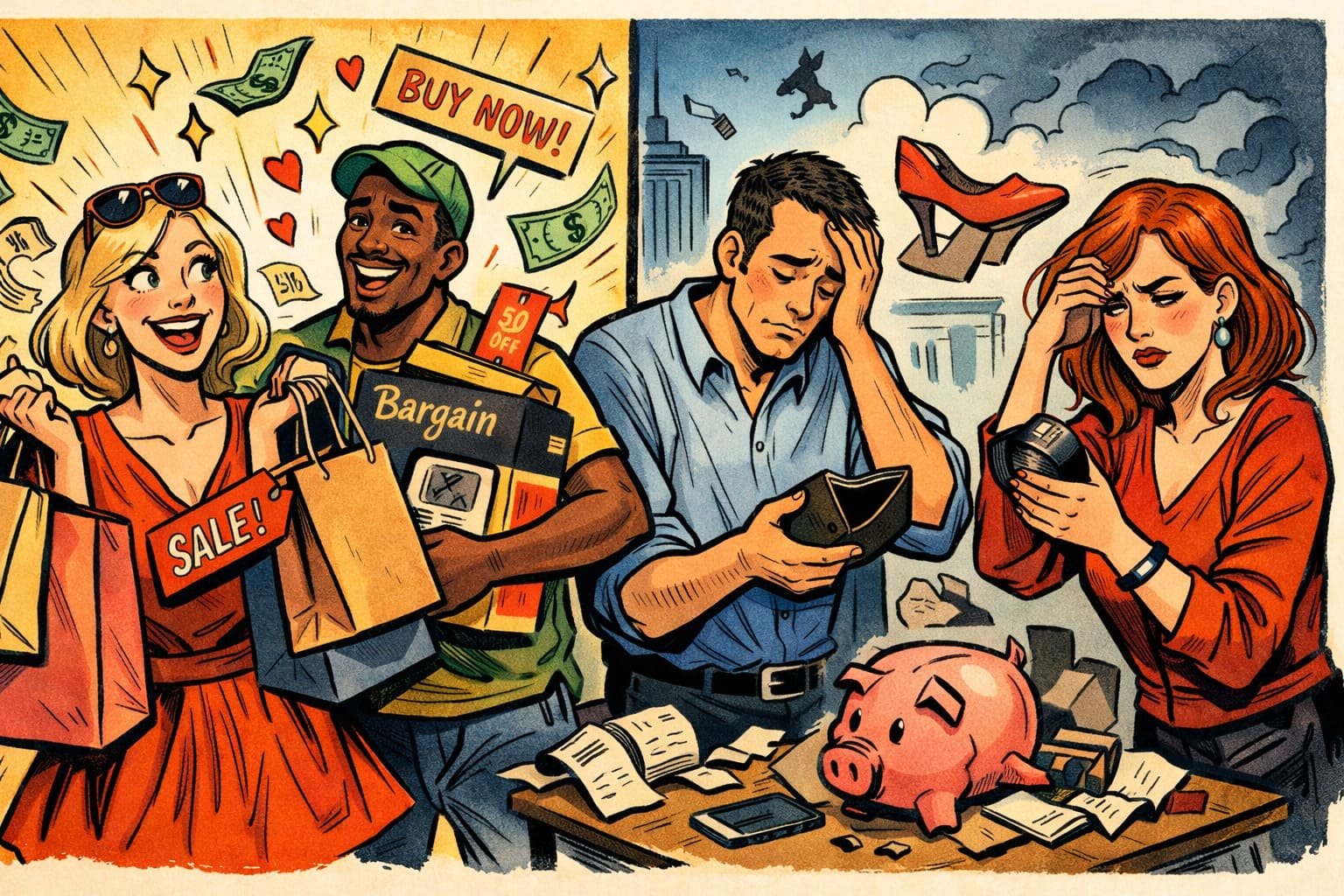
A deal can start as strategy and end as infatuation so gradually that nobody notices the emotional handoff. That is the dangerous part. No executive wakes up announcing a plan to become irrational by Thursday afternoon. It happens in cleaner clothing than that. A target company appears attractive. Competitors circle. Advisers introduce urgency with the smooth confidence of people who bill by momentum. Internal champions become emotionally attached to the narrative. Skepticism starts feeling socially awkward. Somewhere in that choreography, disciplined analysis quietly leaves through a side door. What remains still looks intelligent. It uses spreadsheets and confident vocabulary. That does not make it sane. Deal fever is emotional contagion wearing corporate tailoring.
Thierry Navarro led a fast-growing consumer products group when acquisition interest in a trendy wellness brand escalated into internal obsession. The strategic rationale looked plausible enough. Younger demographics. Brand heat. Retail expansion opportunities. Competitor attention amplified perceived scarcity. Meetings shifted tone. Questions became less exploratory and more prosecutorial toward dissent. Nobody explicitly banned skepticism. It simply became emotionally expensive. The acquisition closed. Months later, integration friction surfaced almost immediately. Brand authenticity weakened under corporate ownership. Growth assumptions looked suspiciously optimistic in retrospect. Talent churn followed. Nothing had been technically concealed. The larger mistake was emotional acceleration disguised as strategic confidence.
Behavioral psychology has been warning humans about this for ages, though executives often prefer to believe expensive education provides immunity. Scarcity inflates perceived value. Competition intensifies desire. Public commitment hardens judgment. The brain is old machinery wearing modern watches. Auction environments are particularly dangerous because they convert business assets into emotional trophies. Wall Street dramatized greed flamboyantly. Real acquisition rooms are subtler. Vanity arrives with softer voices and cleaner shoes. This is why disciplined buyers build institutional safeguards against collective emotional drift. Rationality should be designed into process, not casually assumed because everyone involved sounds articulate and financially literate.
A cybersecurity founder named Alessio Marwan watched multiple bidders pursue his firm with increasingly theatrical urgency. One acquisition team became visibly intoxicated by the competitive dynamic. Questions grew shallower as momentum increased. Closing speed became its own strategic virtue. After the acquisition, integration difficulties appeared with almost comic speed. Key specialists resisted bureaucratic oversight and exited. Client relationships weakened because trust had been relational rather than purely contractual. Internal expectations collapsed under cultural reality. Alessio later described the process as watching collectors bid on a rare artifact they had mistaken for a decorative object rather than a living ecosystem. That distinction alone can destroy extraordinary amounts of capital.
The obvious regret in bad acquisitions is overpayment. It is rarely the only wound. Timing matters. Acquiring at the peak of category excitement can turn visionary language into expensive archaeology surprisingly fast. Cultural arrogance creates another category of regret, especially when larger buyers assume smaller organizations will obediently absorb dominant operating norms. Strategic mismatch can be even crueler because the acquisition may technically integrate while economic logic quietly deteriorates. AOL and Time Warner remain cautionary shorthand because narrative excitement overwhelmed execution reality. History offers enough warning material to fill a private equity library. Human optimism remains remarkably uninterested in learning from precedent when adrenaline enters the bloodstream.
Social dynamics inside organizations deserve far more suspicion than most boards give them. Once executive identity becomes publicly attached to a deal, objective reassessment becomes psychologically expensive. Nobody enjoys championing a grand acquisition for months only to recommend abandoning it. Advisers can unintentionally worsen this because transaction momentum often aligns neatly with fee incentives. Internal skeptics self-censor because no ambitious professional enjoys becoming the person “slowing progress.” A retail strategist named Marceline Hargrove once admitted her team stopped asking whether a proposed acquisition made sense and began focusing entirely on how to justify completing it. That linguistic shift should terrify any serious board.
The strongest acquirers treat walking away as evidence of discipline rather than embarrassment. This requires emotional maturity because abandoning a pursued target can feel like public weakness to ego-driven cultures. It is often precisely the opposite. Great buyers define walk-away criteria early. They stress-test assumptions brutally. They separate strategic desire from emotional attachment. Berkshire Hathaway’s acquisition restraint reflects this discipline elegantly. Markets generate opportunities continuously. Scarcity inside a heated process can be theatre rather than economic reality. Calm decision-making becomes competitive advantage when competitors begin negotiating through cortisol. The loudest room is rarely the wisest one.
Tonight, somewhere, executives are convincing themselves speed equals courage and urgency equals clarity. Decks are being refined. Narratives are hardening. Skepticism is becoming quietly impolite. This is exactly how expensive regret begins, not with visible recklessness, but with sophisticated people slowly becoming emotionally compromised in environments designed to reward momentum. Great buyers are not remembered because they completed many transactions. They are remembered because they preserved judgment when acquisition theatre invited everyone else to confuse appetite with intelligence.
