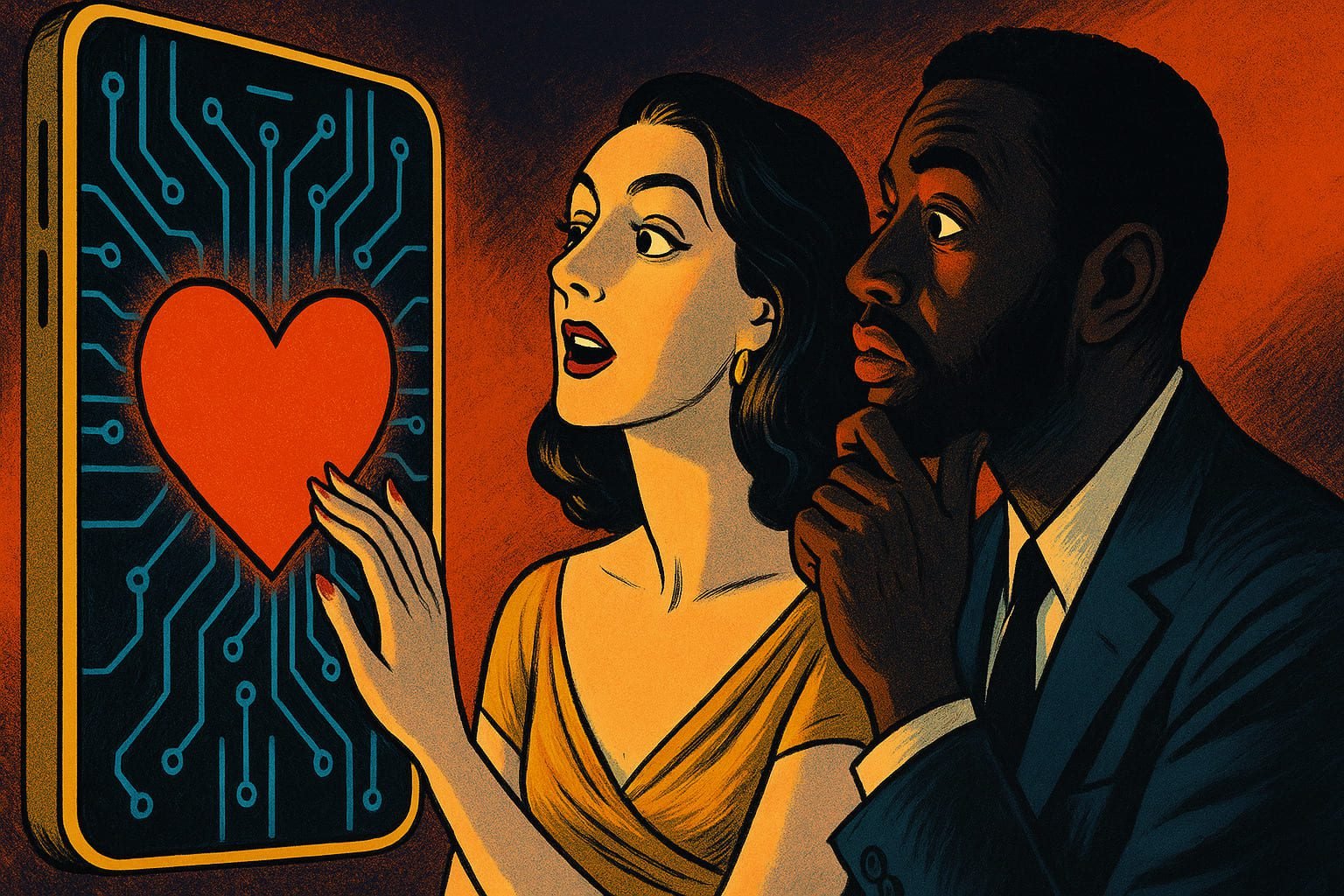
The algorithm never raises its voice, yet it quietly shapes millions of decisions every hour. A short video appears at exactly the right moment. A product recommendation feels strangely perfect. A notification arrives just as attention begins to drift. None of these moments seem extraordinary on their own. Together they form an invisible system that influences what people buy, believe, and desire. Businesses chasing growth have discovered that mastering algorithms often means mastering human behavior itself.
Many executives treat algorithms as technical puzzles. Engineers optimize code, marketers monitor engagement, and analysts celebrate rising metrics. The deeper challenge has little to do with software. Algorithms reward content that captures emotion because human beings naturally respond to surprise, curiosity, fear, delight, and belonging. Every successful platform has learned that attention follows feelings before facts. The machine simply amplifies patterns that already exist within human psychology.
This creates an uncomfortable paradox. Businesses believe they are teaching algorithms what to promote, while algorithms steadily teach businesses what people cannot resist. Headlines become more dramatic. Videos grow shorter. Products are designed for instant reactions rather than lasting satisfaction. Every optimization promises another spike in engagement. Little by little, the pursuit of meaningful relationships risks becoming a race for temporary stimulation. Growth accelerates, yet genuine connection quietly weakens.
TikTok transformed digital engagement by understanding this principle with remarkable precision. Instead of relying mainly on social connections, its recommendation system studies behavior itself. Every pause, swipe, replay, and interaction becomes a signal. Content feels uncannily relevant because the algorithm responds to actions rather than assumptions. The result is extraordinary engagement. It also reminds businesses that understanding behavior often proves more valuable than collecting demographic information alone.
A growing online bookstore experienced a similar revelation. Its founder, Noah, invested heavily in advertising but struggled to retain customers. After studying browsing patterns, the team noticed readers lingered over thoughtful reviews and curated reading lists far longer than promotional banners. The company shifted its strategy toward expert recommendations, author interviews, and personalized collections. Customer loyalty improved because the experience respected curiosity instead of interrupting it. The algorithm rewarded genuine value rather than louder marketing.
Behavioral economist Richard Thaler argued that small changes in choice architecture can significantly influence decisions without removing freedom. Digital platforms apply this principle every day. Recommendation engines, personalized search results, and tailored notifications gently nudge behavior through subtle design choices. Responsible businesses recognize the immense influence these systems possess. Ethical growth depends on helping customers make better decisions, not merely encouraging them to spend more time scrolling or purchasing impulsively.
The lesson reaches beyond technology companies. Leaders increasingly rely on dashboards, performance systems, and predictive analytics to guide decisions. Those tools provide valuable insights, but numbers alone cannot replace judgment. Employees remain human beings, not data points. Customers carry emotions that no algorithm fully understands. Organizations that combine intelligent technology with empathy consistently build stronger cultures than those relying exclusively on automation and optimization.
Algorithms will continue evolving long after today’s platforms become tomorrow’s history. The businesses remembered with respect will not be those that captured the most attention, but those that earned it responsibly. Technology is an extraordinary amplifier, yet it reflects the intentions of those who design and use it. Every recommendation, notification, and digital experience quietly answers a larger question. Is the business merely chasing another click, or is it creating something genuinely worthy of a human life?
