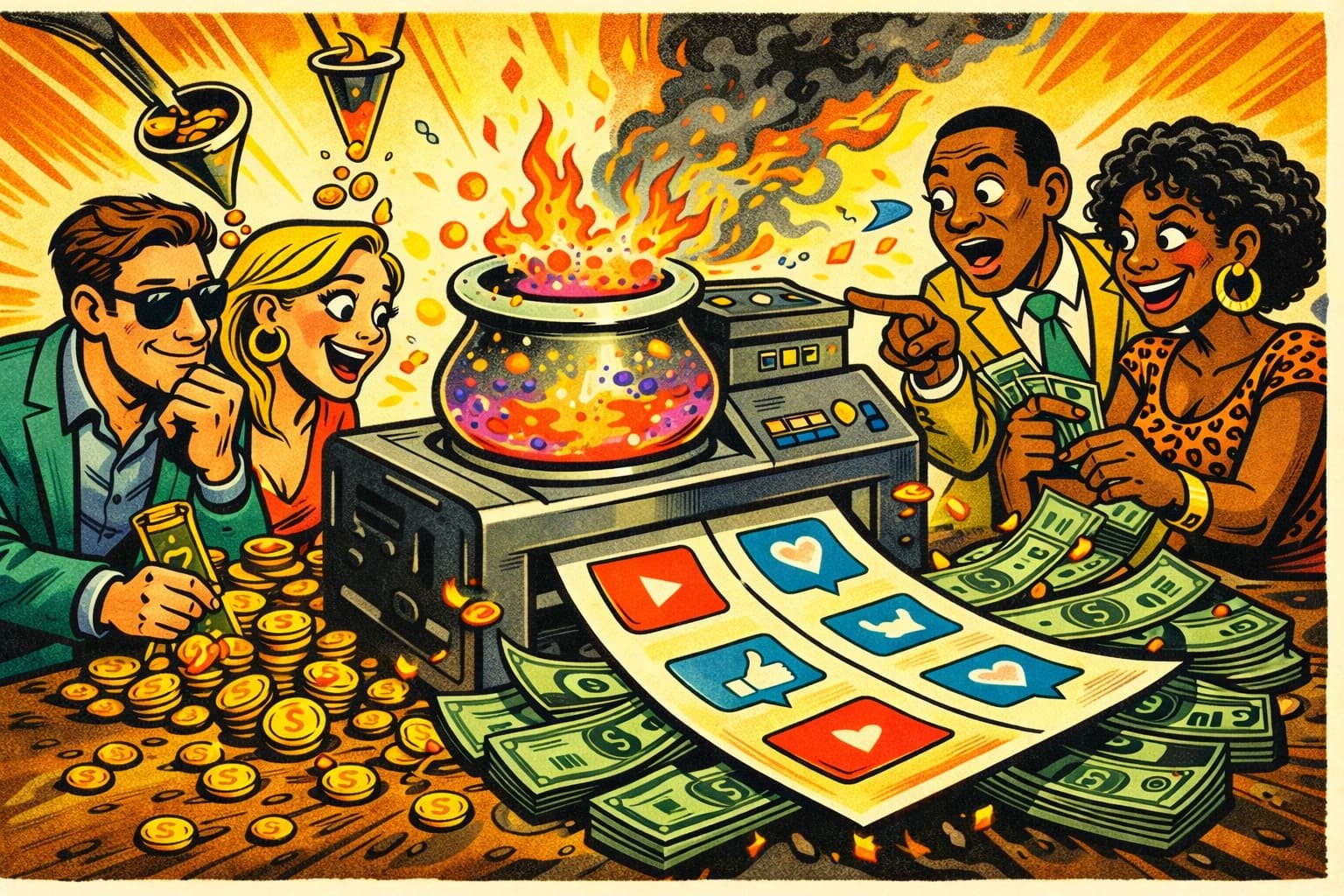
Thunder rolled above a glowing skyline while two rival marketing teams stared at identical advertising dashboards displaying wildly different results. One campaign burned through budgets with astonishing speed, leaving little behind except expensive impressions. Another spent less yet attracted customers who stayed, recommended friends, and returned months later. Numbers alone could not explain the difference. Hidden beneath every successful paid campaign lived a quieter force. Content had transformed advertising from a loud interruption into an invitation that people willingly accepted.
Many executives still believe paid media succeeds because algorithms become smarter every year. Reality proves more demanding. Advertising platforms distribute attention, but they cannot manufacture trust after a visitor arrives. Canva understood this long before countless software competitors, surrounding promotions with tutorials, design inspiration, and educational resources that answered questions before asking for subscriptions. Marketing director Sofia witnessed a similar shift after replacing feature-heavy advertisements with practical customer stories. Clicks became conversations, and conversations steadily became loyal business relationships.
Paid media resembles a powerful engine rather than a destination. Fuel determines whether remarkable machinery accelerates or stalls beside the road. Nike repeatedly pairs advertising with emotionally resonant storytelling because memorable narratives extend campaign value far beyond a single impression. Logistics founder Karim faced rising acquisition costs despite increasing advertising budgets. Instead of buying more exposure, his team built detailed guides explaining supply chain challenges for growing businesses. Advertisements suddenly performed better because visitors encountered meaningful expertise instead of another polished sales page.
An old fishing harbor reveals an unexpected lesson. Experienced captains rarely cast nets wherever water appears deepest. They patiently study currents, weather, and movement before committing precious resources. Media buying follows surprisingly similar principles. Great advertisers invest as much effort into understanding audience psychology as they do bidding strategies. Procter & Gamble has repeatedly demonstrated that disciplined brand building strengthens advertising efficiency over time, proving creative relevance often outperforms relentless spending. Wise campaigns respect human behavior before chasing platform metrics.
Organizations frequently separate content teams from advertising departments, creating invisible walls that weaken both. Adobe succeeds because educational material, creative inspiration, and promotional campaigns reinforce one another instead of competing for attention. Founder Isabelle recognized this disconnect after watching designers produce thoughtful articles while advertisers built disconnected landing pages. Cross-functional workshops united both teams around customer questions rather than departmental objectives. Performance improved because every campaign extended an ongoing conversation instead of beginning one from scratch.
A blacksmith never mistakes sparks for finished steel. Fire creates possibility, yet careful craftsmanship determines lasting strength. Paid media operates with that same quiet truth. Budgets may purchase visibility for a moment, but meaningful content gives every impression a reason to endure after scrolling ends. Businesses chasing cheaper clicks will always find another auction waiting tomorrow. Those forging valuable stories before launching campaigns discover a rarer advantage. They stop renting attention and begin earning demand that continues growing long after the advertisements disappear.
