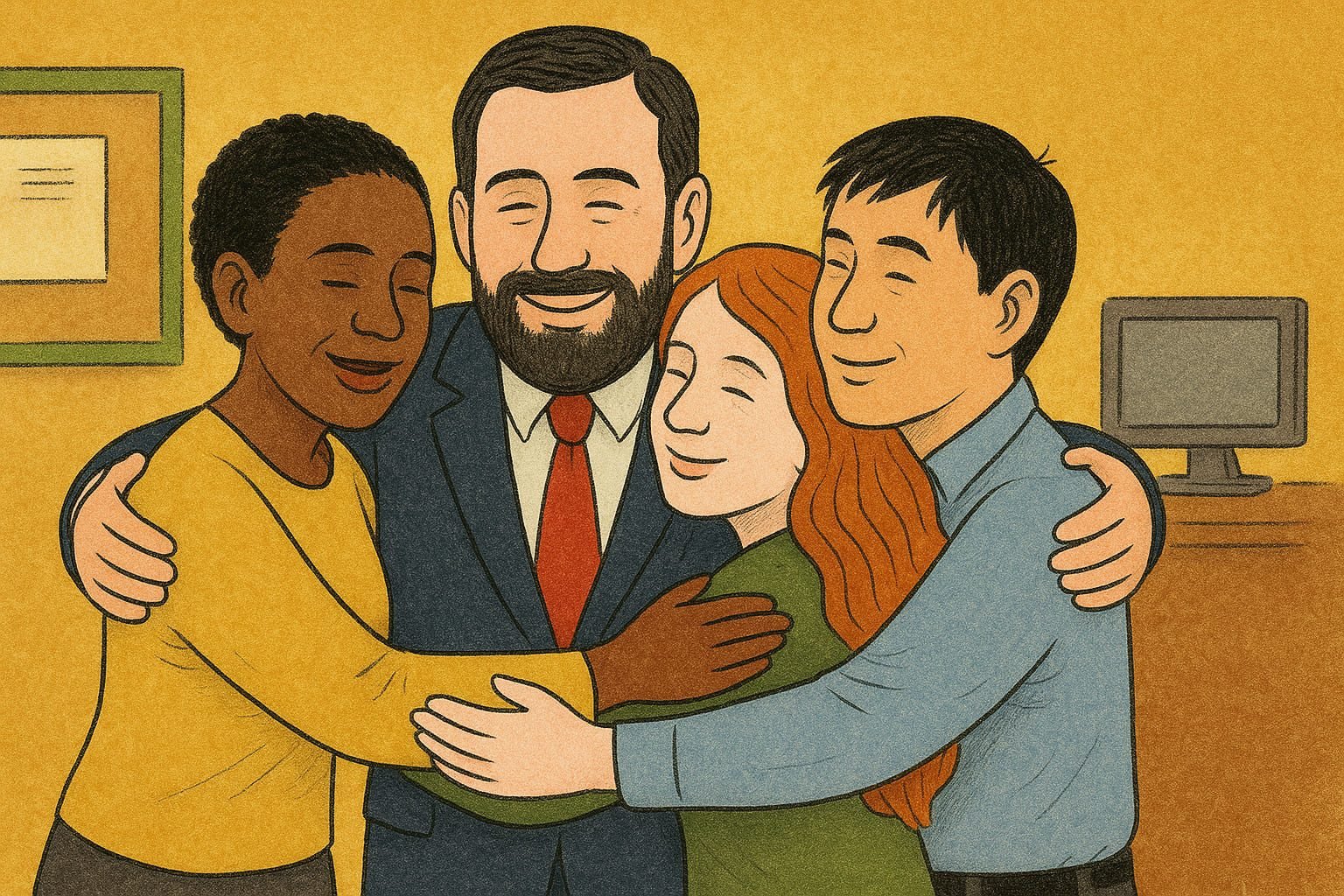
A company can offer generous salaries, impressive offices, and cutting-edge technology, yet still struggle to inspire loyalty. Then another organization, with fewer resources, builds a culture that employees proudly defend and customers enthusiastically recommend. The difference often has little to do with money. It has everything to do with belonging. People naturally search for places where they feel valued, understood, and connected to a purpose larger than their individual roles. Businesses that recognize this truth build communities instead of merely assembling workforces.
Many leaders believe engagement begins with compensation packages or performance incentives. Those factors certainly matter, but they rarely create lasting commitment. People stay where relationships feel genuine and where their contributions carry meaning. A workplace becomes a tribe when individuals trust one another enough to collaborate without constantly protecting their own interests. Shared purpose quietly replaces individual ambition. The organization stops feeling like a place to earn a paycheck and starts feeling like somewhere worth building.
Creating that environment requires deliberate leadership. Values cannot exist only in framed mission statements hanging on office walls. They must appear in everyday decisions, difficult conversations, and moments when shortcuts seem tempting. Employees notice whether leaders listen during uncertainty, recognize quiet contributions, and remain consistent under pressure. Culture grows through repeated actions rather than memorable speeches. Every interaction either strengthens the tribe or weakens it without anyone immediately realizing the long-term consequences.
Southwest Airlines has long demonstrated the power of this philosophy. Its reputation extends beyond efficient operations because it consistently emphasizes teamwork, humor, and respect throughout the organization. Employees frequently describe feeling trusted rather than managed. That internal culture naturally shapes customer experiences, creating loyalty that competitors find difficult to replicate. The company’s greatest competitive advantage is not simply operational excellence. It is a workforce united by shared values and mutual respect.
A family-owned manufacturing company learned this lesson during a period of rapid expansion. Its managing director, Elias, noticed that new employees completed training successfully but struggled to feel connected. Productivity remained acceptable, yet collaboration weakened. Instead of introducing more rules, the company paired every newcomer with experienced mentors who shared stories, traditions, and practical wisdom. Within months, teamwork improved noticeably. Employees stopped seeing themselves as separate departments and began identifying as members of one collective mission.
Social scientist Simon Sinek often argues that people perform at their best when they feel safe, trusted, and inspired by a common purpose. Strong organizations create exactly that environment. They encourage cooperation instead of internal rivalry and celebrate collective achievements alongside individual excellence. Trust becomes the invisible infrastructure supporting innovation, resilience, and long-term performance. When people genuinely believe they belong, they willingly contribute ideas, energy, and creativity beyond what any employment contract could demand.
The importance of belonging extends far beyond office walls. Customers also seek tribes that reflect their values. Communities gather around brands, nonprofits, sports teams, and creative movements because shared identity provides emotional meaning. Businesses that cultivate authentic communities enjoy stronger loyalty because relationships replace transactions. Members recommend the organization not out of obligation, but because supporting it reinforces their own sense of purpose and connection.
The strongest businesses are never built solely through products, profits, or strategic plans. They are built through people who believe they are creating something meaningful together. Markets will shift, technologies will evolve, and competitors will emerge, but genuine belonging remains remarkably difficult to imitate. Every successful organization eventually faces the same question. Is it merely employing people, or is it building a tribe that gives work a deeper reason to matter?
