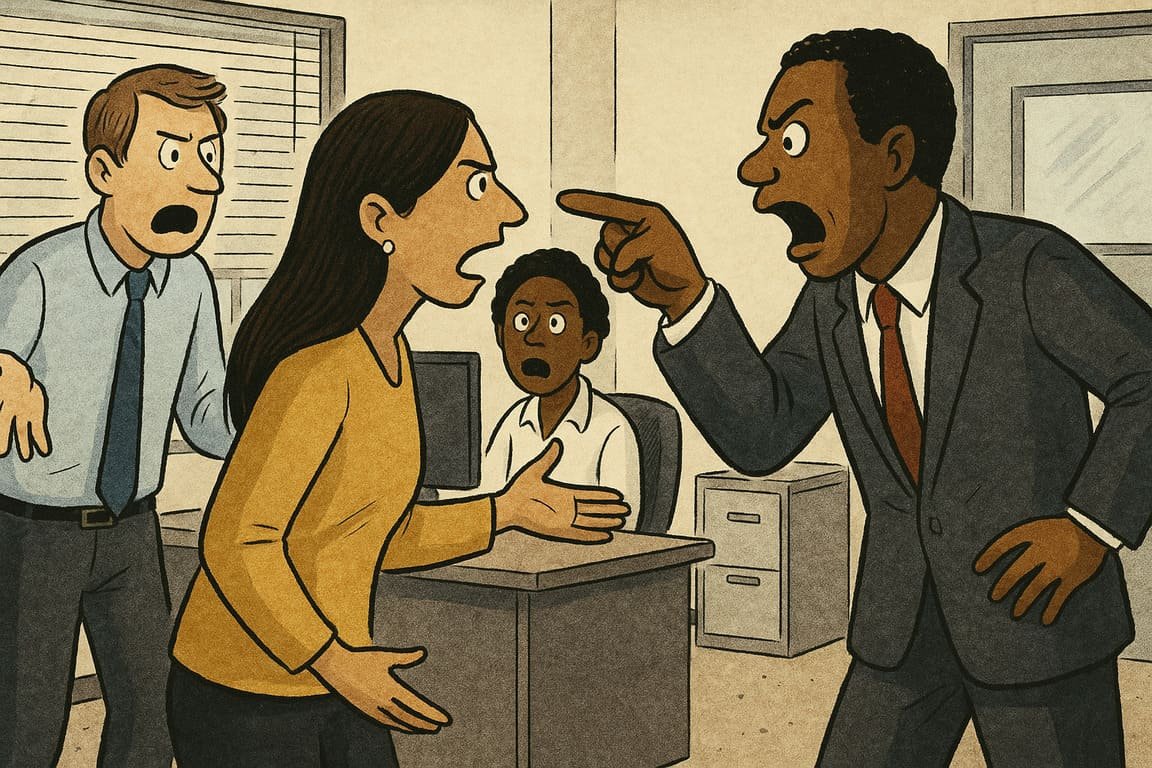
The conference room looked polished, confident, and progressive. Posters celebrated inclusion. Executives spoke passionately about belonging. Yet beneath the rehearsed language, frustration quietly gathered. Employees whispered instead of speaking openly, managers hesitated before making decisions, and collaboration slowly gave way to caution. The workplace had not become more inclusive. It had become more anxious. Diversity and inclusion succeed when they strengthen trust, but they stumble when they become symbols instead of everyday practices that genuinely improve how people work together.
Every organization benefits from different experiences, perspectives, and ways of thinking. Diverse teams often solve complex problems faster because they challenge assumptions that homogeneous groups rarely question. The trouble begins when diversity becomes a marketing campaign rather than a management philosophy. Employees quickly recognize the difference. They notice whether promotions reflect merit, whether every voice receives equal respect, and whether leaders listen when uncomfortable conversations arise. Authentic culture cannot be manufactured through slogans. It grows through consistent behavior that people witness every single day.
Global companies have learned this lesson through experience. Firms such as Microsoft have increasingly emphasized accessibility, inclusive leadership, and continuous learning instead of treating diversity as a short-term initiative. Their approach recognizes that innovation flourishes when talented people feel respected enough to contribute unique ideas. Inclusion is not simply about representation. It is about creating an environment where disagreement produces better thinking instead of fear. Healthy debate often becomes the birthplace of breakthrough products, stronger strategies, and more resilient organizations.
Consider Elena, the director of a growing technology company with employees from several countries. Meetings appeared productive, yet only a handful of familiar voices dominated every discussion. New hires remained silent despite possessing valuable expertise. Rather than introducing another mandatory workshop, Elena redesigned meeting formats so everyone contributed ideas before conversations began. The atmosphere changed almost immediately. Quieter employees shared practical solutions that reduced costly delays, while experienced managers gained fresh perspectives they had overlooked for months. Inclusion emerged through thoughtful management rather than elaborate messaging.
Business leaders sometimes fear that encouraging diverse opinions will slow decision making. The opposite often proves true. Organizations that welcome respectful disagreement identify weaknesses earlier, avoid costly blind spots, and respond more effectively to changing markets. Constructive tension strengthens decisions when guided by mutual respect. Uniform thinking may feel comfortable, but comfort rarely produces meaningful innovation. Great leaders understand that harmony should never come at the expense of honest conversation, especially when important strategic choices are on the table.
Blowback usually appears when people believe fairness has been replaced by favoritism or ideology. Trust erodes quickly if employees suspect opportunities depend on appearances rather than capability. Strong organizations avoid this trap by making expectations transparent, rewarding measurable performance, and ensuring development opportunities remain accessible to everyone. Inclusion works best when excellence and fairness reinforce each other instead of competing for attention. That balance creates confidence across the entire workforce rather than division among different groups.
The most successful workplaces also understand that culture is shaped through countless ordinary moments. It lives in hiring conversations, project meetings, performance reviews, mentorship, and how mistakes are handled. Employees remember whether their opinions were welcomed long after they forget corporate presentations. Respect grows through repetition. Every conversation either strengthens or weakens organizational culture. Businesses that recognize this reality invest as much energy in everyday leadership habits as they do in ambitious corporate strategies.
Modern workplaces will continue reflecting societies that are increasingly connected, diverse, and constantly evolving. Organizations that embrace this complexity with humility, fairness, and disciplined leadership will attract stronger talent and build lasting resilience. Those that reduce diversity to public relations risk creating division where collaboration should thrive. The future belongs to businesses that see every capable individual as a source of competitive advantage. The real question is no longer whether diversity matters, but whether leadership is courageous enough to transform differences into shared success.
