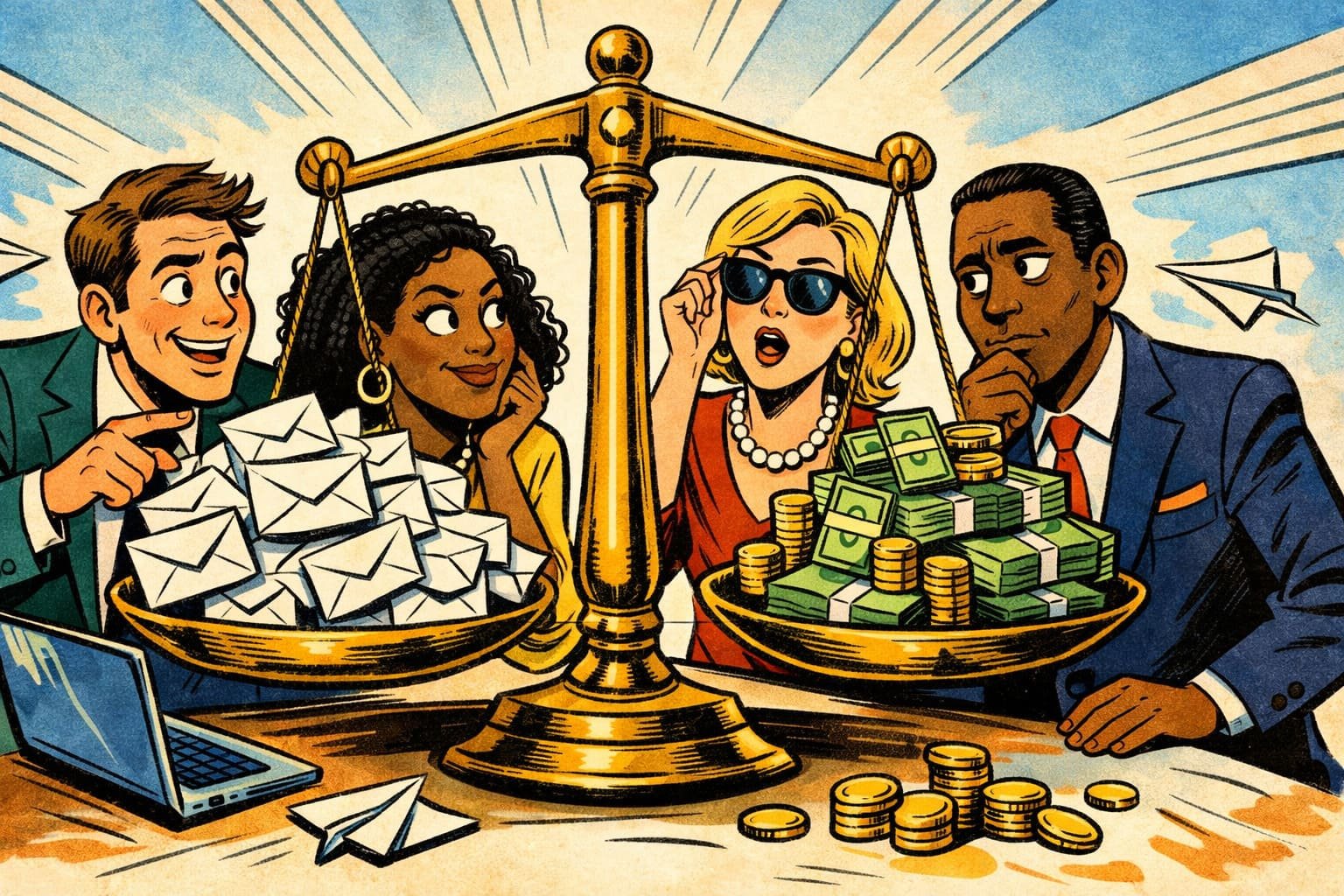
Coffee cooled untouched beside a founder’s keyboard while another campaign prepared for launch. Flashy advertisements had drained budgets for months, yet quiet email replies kept paying salaries without demanding applause. Strange, wasn’t it? Loud marketing often steals headlines, but patient conversations quietly build fortunes. Hidden inside overflowing inboxes lives one of business’s oldest contradictions. Technology keeps changing, algorithms keep shifting, and platforms keep rising or falling, yet trust still travels remarkably well through a thoughtfully written email arriving at precisely the right moment.
Businesses frequently mistake email for a broadcasting tool instead of a relationship. That misunderstanding explains why countless newsletters vanish unread despite attractive subject lines and polished designs. Successful organizations write differently because every message feels earned rather than scheduled. Readers open emails expecting relevance, not interruption. A useful observation, an honest confession, or a practical solution creates anticipation for future messages. Gradually, subscribers stop viewing those emails as marketing. They begin treating them as reliable companions inside busy working days.
Amazon understands this rhythm better than many competitors. Confirmation emails, delivery updates, and recommendations rarely feel disconnected because each message extends an existing relationship instead of forcing a new conversation. Morning Brew built remarkable loyalty through consistent personality, approachable writing, and dependable value before monetization expanded dramatically. Elena Rossi experienced a similar breakthrough while running a specialty coffee subscription. She abandoned discount-heavy campaigns, replacing them with stories from growers and brewing advice. Customers stayed longer because every email deepened trust before encouraging another purchase.
An unusual detail appears during family reunions. People remember relatives who call unexpectedly far more warmly than those who appear only when asking for favors. Email follows identical psychology. During a fundraising campaign, nonprofit director Ibrahim Mensah instructed his team to pause every donation request for several weeks. Messages simply celebrated volunteer milestones and shared handwritten thank-you notes. Contributions later increased because generosity grows more comfortably where appreciation arrives before expectation, revealing that emotional timing often outweighs persuasive language.
Marketing scholar Seth Godin popularized permission marketing long before inboxes became crowded battlefields. His central insight remains surprisingly resilient. People reward organizations respecting attention rather than exploiting access. Companies like ConvertKit strengthened communities by teaching creators before selling software, proving generosity compounds quietly over time. Behavioral economists describe trust as accumulated evidence rather than dramatic persuasion. Every helpful email becomes another small promise fulfilled. Revenue follows because confidence reduces hesitation, making purchasing decisions feel like natural continuations instead of risky leaps.
Streetlights flicker outside office windows while unread messages continue drifting toward thousands of inboxes across distant cities. Most disappear without leaving footprints because they arrived carrying urgency instead of care. A fortunate handful invite smiles, thoughtful replies, or unexpected purchases because genuine trust quietly preceded every transaction. Sustainable businesses rarely chase customers forever. They become welcome guests returning with another worthwhile conversation. Before sending another campaign, ask whether your email seeks attention for today or earns confidence lasting many tomorrows.
