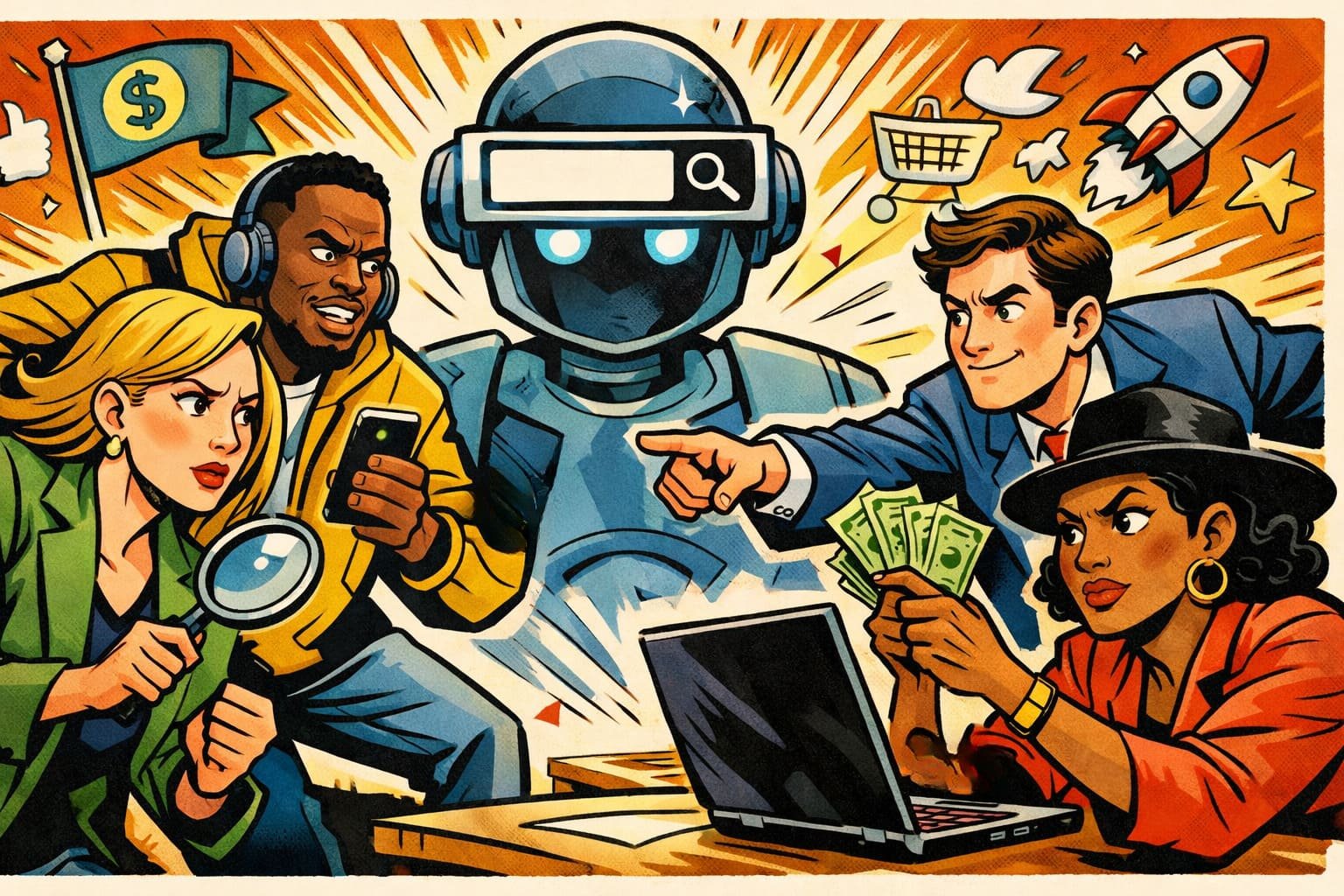
Rain tapped impatient rhythms against a newsroom window while dozens of headlines flickered across competing screens like contestants waiting for a verdict. Most looked polished. Few felt irresistible. Somewhere between curiosity and instinct, a reader’s finger paused for less than a heartbeat before choosing one story over another. That tiny decision, almost invisible, explains why headlines have become one of the most valuable assets in digital publishing, because attention rarely rewards information first. It rewards anticipation, emotion, and the promise of satisfying an unanswered question.
Many organizations still treat headlines as decoration instead of strategy. That mistake quietly drains traffic before brilliant ideas ever meet an audience. BuzzFeed built an empire by understanding that curiosity could outperform expensive promotion, while The Wall Street Journal consistently proves that precision often beats exaggeration among professional readers. Both approaches succeed because they respect different psychological cravings. One invites exploration. The other promises clarity. Readers rarely click because words are clever. They click because those words whisper, “This matters to you.”
A software founder named Celina discovered that lesson after publishing thoughtful articles that attracted almost nobody. She rewrote only the headlines, leaving every paragraph untouched, and suddenly readers arrived in steady waves. Her strongest headline never promised miracles. Instead, it hinted at an overlooked mistake quietly costing companies momentum. Across another industry, Spotify regularly frames playlists with names that trigger moods before songs even begin. Titles shape expectation. Expectations shape behavior. Behavior shapes growth.
Behavioral researchers have long observed that curiosity feels uncomfortable until resolved. That tension explains why effective headlines create just enough uncertainty without crossing into deception. Netflix uses previews that reveal enough to provoke questions while protecting meaningful surprises, encouraging viewers to continue watching rather than walking away. Marketing works similarly. A headline succeeds when readers imagine a missing piece of knowledge that suddenly feels impossible to ignore. Empty clickbait breaks trust. Genuine intrigue strengthens it.
One independent bookstore faced shrinking online engagement despite passionate customers and beautifully written recommendations. Rather than producing additional articles, staff members experimented with framing familiar stories through unexpected angles rooted in reader emotion instead of product features. Conversations expanded almost immediately because headlines mirrored real anxieties, ambitions, and private curiosities already living inside people’s minds. Sales followed naturally. Content had not changed. Framing had. Sometimes a locked door only needs a different key.
Stage lights fade after applause, yet audiences often remember the poster that persuaded them to enter the theater. Digital publishing follows the same quiet law. Headlines shape first impressions before evidence ever appears, making them less about clever language than psychological invitation. Every remarkable article deserves an equally remarkable doorway. Before pressing publish again, ask one uncomfortable question: does your headline simply describe the story, or does it awaken a curiosity strong enough to make ignoring it feel like missing out?
