The graduation auditorium smelled of expensive perfume, fresh anxiety, and institutional optimism polished to a dangerous shine. Parents applauded with trembling pride while commencement speakers repeated the same sentimental commandments that have quietly confused generations of intelligent people: follow your passion, trust the journey, chase your dreams. The phrases floated through the hall like motivational incense. Beautiful. Weightless. Entire careers have collapsed beneath advice that sounded inspirational enough to print on coffee mugs.
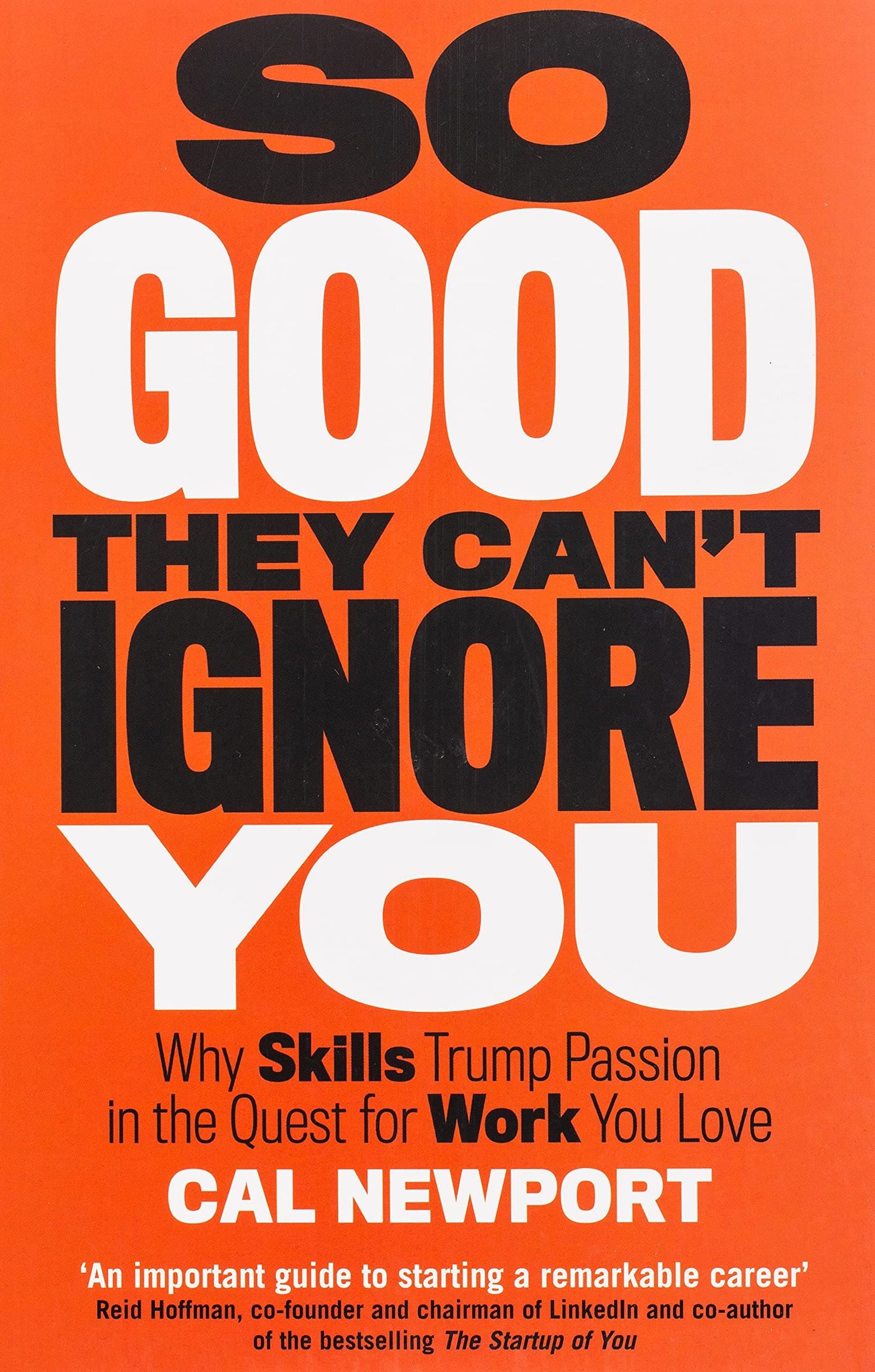
Then So Good They Can’t Ignore You: Why Skills Trump Passion in the Quest for Work You Love enters the conversation carrying the emotional energy of a controlled demolition. Cal Newport attacks one of modern culture’s most sacred myths with unnerving precision: passion is not usually discovered first. It is often built afterward through mastery, usefulness, autonomy, and rare skill acquisition. That argument lands like cold water because contemporary society has trained people to treat fulfillment like a hidden soulmate waiting to be found instead of a craft forged slowly through friction.
The book feels almost rebellious now because modern career culture increasingly behaves like identity theater. People are encouraged to brand themselves before understanding themselves. Social media transformed work into performance art where every profession must also become content. Young professionals search for “purpose” while terrified of boredom, obscurity, and delayed gratification. Newport cuts through that haze with almost brutal clarity. Valuable skills create leverage. Leverage creates control. Control creates deeper satisfaction. Passion frequently arrives afterward like smoke following fire.
A junior architect named Leandro discovered this accidentally after spending years envying friends with glamorous creative careers online. His own work felt repetitive and emotionally flat. Endless drafting revisions. Late-night structural edits. Client meetings so dull they seemed designed by hostile algorithms. Yet over time something strange happened. He became unusually skilled at solving spatial problems others avoided. Developers started requesting him specifically. Colleagues trusted his judgment instinctively. The work itself had not become easier. His relationship to competence had changed. Confidence slowly replaced performative yearning.
That transformation sits at the heart of Newport’s argument. People often mistake excitement for meaning because excitement photographs better. Mastery develops quietly. A surgeon repeating delicate procedures for years rarely looks cinematic. Neither does a writer editing sentences at midnight while cold coffee gathers beside the keyboard. Yet deep skill creates something more durable than emotional hype: internal gravity. Society increasingly confuses visibility with value while Newport argues that rarity remains the true economic superpower.
The book also exposes a strange contradiction inside modern work culture. Many organizations publicly celebrate innovation while structurally rewarding shallow busyness. Employees answer endless emails, attend ceremonial meetings, and perform digital responsiveness like exhausted actors trapped inside corporate improv theater. Deep concentration becomes rare because distraction itself has become institutionalized. Newport sees this clearly. Skill compounds through uninterrupted focus. Shallow attention produces shallow capability. The implications stretch far beyond careers into identity itself.
A music producer named Ayanna experienced this tension while navigating the streaming era. Younger artists around her chased viral moments obsessively, tailoring songs toward algorithmic trends that changed faster than weather patterns. Ayanna disappeared for nearly a year instead. Friends assumed her career had stalled. Behind closed studio doors smelling of dust, wires, and stale tea, she studied sound engineering obsessively. Mixing techniques. Analog textures. Arrangement structures. When she returned, major artists sought her expertise because she possessed something increasingly scarce: depth impossible to fake through aesthetics alone.
That scarcity matters profoundly in a culture drowning in surface-level fluency. Newport’s philosophy quietly rejects the emotional chaos generated by modern comparison culture. Many professionals feel lost not because they lack potential but because they are trapped inside endless identity consumption. Every scroll introduces another person appearing wealthier, freer, happier, more fulfilled. The mind becomes fragmented chasing borrowed ambitions. Newport offers an almost old-fashioned alternative: stop obsessing over self-expression temporarily and become undeniably useful first.
There is something psychologically liberating about that perspective. Passion culture places enormous emotional pressure on ordinary people to locate some perfect calling hidden like treasure beneath adulthood. Failure to discover it feels deeply personal. Newport dismantles that burden elegantly. Meaning often grows from investment, not immediate revelation. Humans bond emotionally with what they build competence around. Parents understand this instinctively. So do craftsmen, athletes, teachers, and musicians who spent years earning intimacy with their discipline through repetition rather than cinematic destiny.
A cybersecurity analyst named Noura learned this after nearly quitting her profession during an especially draining period. The work felt emotionally invisible. Nobody celebrated quiet infrastructure protection unless catastrophe occurred. One evening during a major systems breach, she coordinated solutions calmly while executives panicked around her. Watching entire organizations depend on skills she once considered “boring” changed something internally. Pride emerged not from passion slogans but from capability under pressure. She stopped needing work to entertain her constantly. Reliability became meaningful in itself.
The deeper brilliance of So Good They Can’t Ignore You: Why Skills Trump Passion in the Quest for Work You Love lies in how it reframes freedom. Modern culture sells freedom aesthetically through travel photos, startup fantasies, and influencer lifestyles. Newport approaches freedom structurally. Rare and valuable skills create bargaining power. Bargaining power creates autonomy over time, environment, and creative direction. The logic feels less romantic and far more dependable. Instead of chasing identity first, build leverage patiently enough that identity gains room to breathe naturally.
The book also contains a subtle warning about cultural impatience. Many people abandon promising paths prematurely because mastery initially feels awkward, repetitive, and emotionally unrewarding. Early incompetence bruises ego. Social media worsens this by showcasing polished outcomes while hiding tedious developmental years. Newport insists that meaningful work often hides behind periods of deliberate discomfort. That insight feels increasingly radical in an economy optimized around instant emotional gratification.
Late one evening inside a nearly empty hospital cafeteria, a resident doctor named Elias sat beneath harsh fluorescent lighting staring at untouched soup growing cold beside stacks of medical notes. Exhaustion pressed against him like wet concrete. Friends from university now traveled the world posting glamorous entrepreneurial victories online while his own life revolved around sleepless shifts and endless study. Then an older surgeon sat beside him quietly and explained something simple: meaningful work rarely feels meaningful while becoming difficult enough to matter. The sentence followed Elias for years.
That emotional realism gives So Good They Can’t Ignore You: Why Skills Trump Passion in the Quest for Work You Love its lasting power. The book refuses to flatter readers with fantasy. Instead it offers something sturdier: orientation. Build rare skills. Protect concentration. Earn autonomy gradually. Let meaning emerge through capability instead of chasing emotional fireworks disguised as destiny. In a culture addicted to instant identity, that message feels almost subversive.
Across countless apartments, offices, classrooms, and late-night coworking spaces tonight, ambitious people are still searching desperately for the perfect calling that will finally remove uncertainty from work. Many will continue wandering through careers like tourists collecting temporary emotional highs. Others may discover the quieter truth Newport keeps pointing toward: the deepest satisfaction often arrives disguised as disciplined repetition long before it feels like passion at all.
Editorial Disclaimer: Whether a book is a work of fiction, a memoir, or inspired by real events, the ideas, actions, decisions, and behaviors discussed within are not intended to be encouraged, replicated, or endorsed in real-world situations. This review is published solely for educational, analytical, literary, and entertainment purposes, with the aim of examining the book’s themes, storytelling, characters, philosophies, and broader cultural or business insights. Any ethical or unethical viewpoints, practices, or conduct presented in the book do not necessarily reflect the views, values, or endorsements of ESYRITE.
