The hockey rink smelled of melting ice, damp gloves, and the quiet cruelty of invisible systems. Parents screamed encouragement from metal bleachers while exhausted children chased a puck beneath fluorescent lights that hummed like tired machinery. From a distance, it looked like pure meritocracy. Talent wins. Hard work triumphs. The best rise naturally. Modern society adores that story because it flatters the ego and simplifies the chaos. Yet somewhere behind the scoreboard and applause, older forces were already making decisions long before effort entered the room.
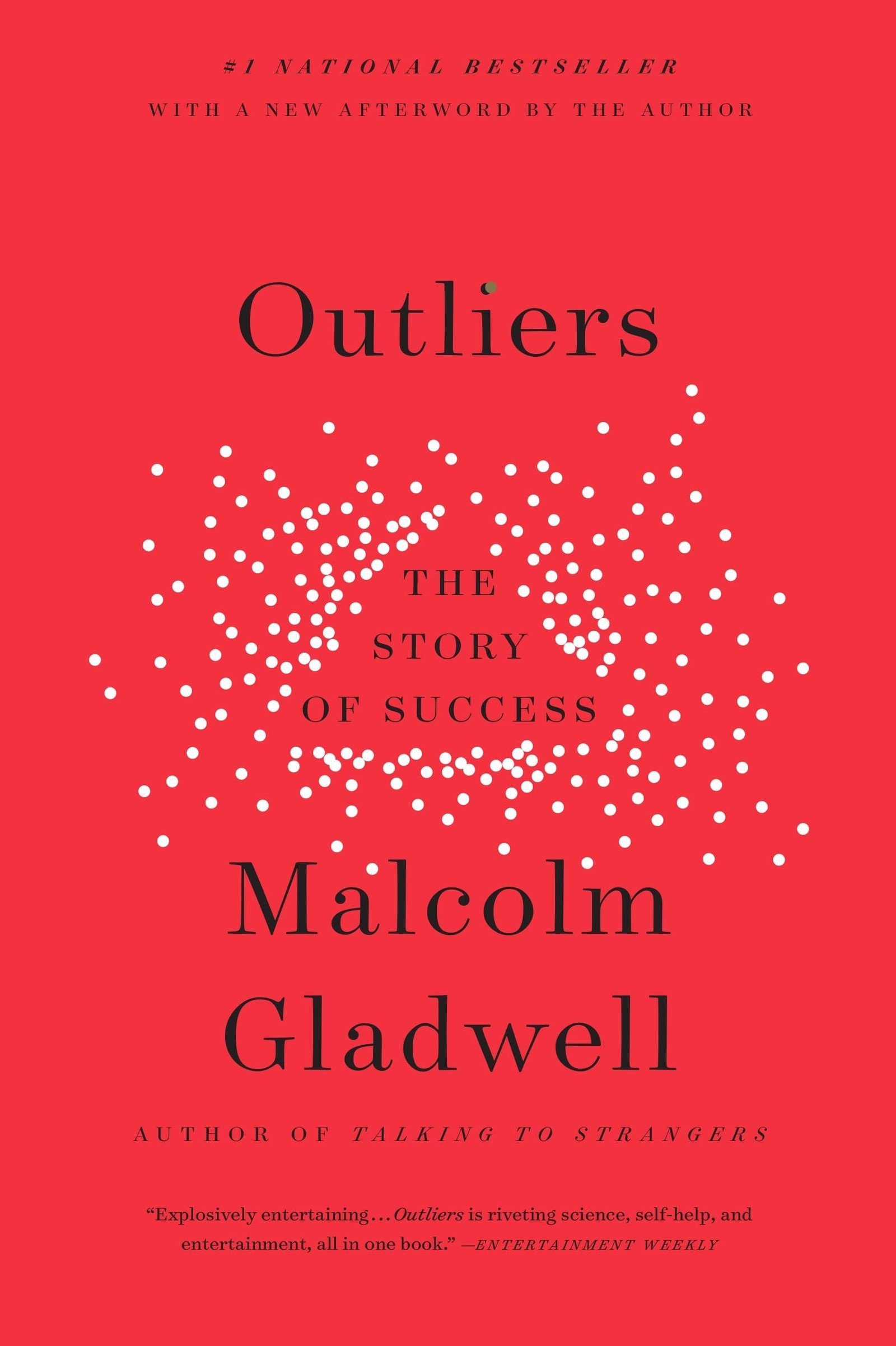
Outliers slips into that illusion with surgical elegance. Malcolm Gladwell does not merely write about successful people. He dismantles the mythology surrounding success itself. The book argues that extraordinary achievement rarely emerges from individual brilliance alone. Timing, culture, opportunity, geography, family structure, hidden advantages, historical accidents, and social systems quietly shape who rises and who disappears. The unsettling implication lingers long after the final page: society often mistakes outcomes for virtue because complexity threatens comforting narratives.
That tension gives the book its peculiar emotional gravity. Gladwell writes with the calm tone of a storyteller revealing a magic trick slowly enough for the audience to feel embarrassed they missed it earlier. A child born during the right month gains subtle athletic advantages. A programmer encounters early computer access before others even understand the technology exists. Cultural attitudes toward authority influence airplane safety. Small conditions accumulate quietly until they harden into destinies mistaken for individual genius.
A violin student named Mirek experienced this firsthand after years inside elite conservatories where prodigies were worshipped like chosen beings. Publicly, audiences admired “natural talent.” Privately, Mirek noticed another pattern. The celebrated performers almost always came from households able to afford private tutors, uninterrupted practice schedules, stable emotional environments, and expensive instruments polished like museum artifacts. One gifted classmate eventually disappeared from the program entirely after taking night shifts to support family expenses. Nobody called that structural disadvantage. They simply said he “lost momentum.”
Gladwell’s brilliance lies in making those invisible forces emotionally legible. The book challenges deeply ingrained Western ideas about rugged individualism without collapsing into fatalism. Effort still matters profoundly. Discipline matters. Intelligence matters. Yet systems shape the battlefield before competition even begins. That insight feels especially explosive within modern business culture where billionaires are frequently treated like solitary superheroes descending from pure willpower rather than complex ecosystems of privilege, timing, networks, and institutional access.
The book becomes even sharper when viewed against contemporary startup mythology. Silicon Valley loves founders who appear self-created because the narrative sells aspiration efficiently. Stories become cleaner when structural advantages stay hidden backstage. Gladwell complicates that fantasy elegantly. Bill Gates possessed unusual access to computers during a rare historical moment. Cultural upbringing shaped communication styles among successful lawyers. Family environments influenced resilience and negotiation patterns. Success begins looking less like isolated lightning strikes and more like weather systems produced through countless interacting conditions.
A shipping coordinator named Asha learned this after managing recruitment for a fast-growing logistics company. Executives insisted they only hired “the best talent.” Asha noticed something uncomfortable during interviews. Candidates from wealthier backgrounds often sounded more confident because they had practiced professional communication in environments where authority felt familiar rather than intimidating. Equally intelligent applicants from rougher circumstances frequently hesitated despite possessing stronger problem-solving instincts. Confidence and competence kept getting mistaken for each other because polished behavior photographs better inside corporate culture.
That observation cuts to the moral core of Outliers. Systems quietly reward certain forms of social fluency while framing the results as purely merit-based. Gladwell does not excuse mediocrity or deny personal agency. Instead he asks readers to confront how unevenly opportunity distributes itself before ambition even enters the equation. The book feels philosophical because it destabilizes simplistic moral judgments. Winners are rarely entirely self-made. Losers are rarely entirely self-destroyed.
There is also something strangely humane about Gladwell’s approach. Many books about achievement worship dominance, optimization, and relentless self-belief. Gladwell studies context instead. Family sacrifice. Community structures. Educational access. Historical timing. Readers gradually realize how profoundly human beings depend on one another’s invisible labor and support systems. Even the most iconic success stories contain forgotten scaffolding beneath the spotlight.
A chef named Thiago once worked under a celebrity restaurateur celebrated endlessly for visionary genius. Magazine profiles framed the owner like a lone artistic titan transforming cuisine through brilliance alone. Inside the kitchen, another reality simmered beneath the praise. Immigrant prep cooks worked punishing hours. Senior staff mentored younger employees quietly after midnight. Suppliers extended trust during financial strain. Family members provided unpaid labor early in the business. The restaurant became successful through collective endurance disguised publicly as singular genius. Thiago never forgot the contrast.
The book’s most haunting insight may be its challenge to moral certainty itself. Society loves simple explanations because they preserve emotional order. Hard work equals success. Failure reflects laziness. Talent guarantees elevation. Gladwell introduces complication where certainty once stood. Sometimes timing matters more than intelligence. Sometimes cultural inheritance shapes outcomes more powerfully than motivation. Sometimes invisible systems decide futures long before people recognize the game being played. That realization can feel destabilizing. It can also create compassion.
Late one winter evening inside a nearly empty train carriage, a former mathematics prodigy named Elian stared through fogged glass while returning from another rejected job interview. Years earlier teachers described him as exceptional. Life unfolded differently. Economic instability disrupted university plans. Family illness redirected priorities. Temporary jobs replaced academic ambitions gradually enough to feel invisible while happening. Reading Gladwell later did not erase disappointment. It did something quieter and perhaps more important. It removed the poisonous belief that every unrealized future reflected personal inadequacy alone.
That emotional complexity explains why Outliers continues haunting readers years after publication. The book refuses easy cynicism and rejects simplistic triumphalism simultaneously. Instead it reveals achievement as a deeply interconnected phenomenon shaped by history, culture, timing, privilege, labor, and human vulnerability. The result feels strangely liberating because it widens the conversation beyond ego alone.
Across glowing office towers, startup incubators, classrooms, sports arenas, and crowded commuter trains tonight, millions still cling to the fantasy that success belongs entirely to the smartest or hardest-working individuals in the room. Yet somewhere beneath the polished mythology, quieter forces continue arranging outcomes invisibly, deciding who receives momentum, who receives grace, and who must fight twice as hard merely to stand near the starting line. The dangerous part is not that society ignores these systems. The dangerous part is how often it teaches people to blame themselves for not surviving them flawlessly.
Editorial Disclaimer: Whether a book is a work of fiction, a memoir, or inspired by real events, the ideas, actions, decisions, and behaviors discussed within are not intended to be encouraged, replicated, or endorsed in real-world situations. This review is published solely for educational, analytical, literary, and entertainment purposes, with the aim of examining the book’s themes, storytelling, characters, philosophies, and broader cultural or business insights. Any ethical or unethical viewpoints, practices, or conduct presented in the book do not necessarily reflect the views, values, or endorsements of ESYRITE.
