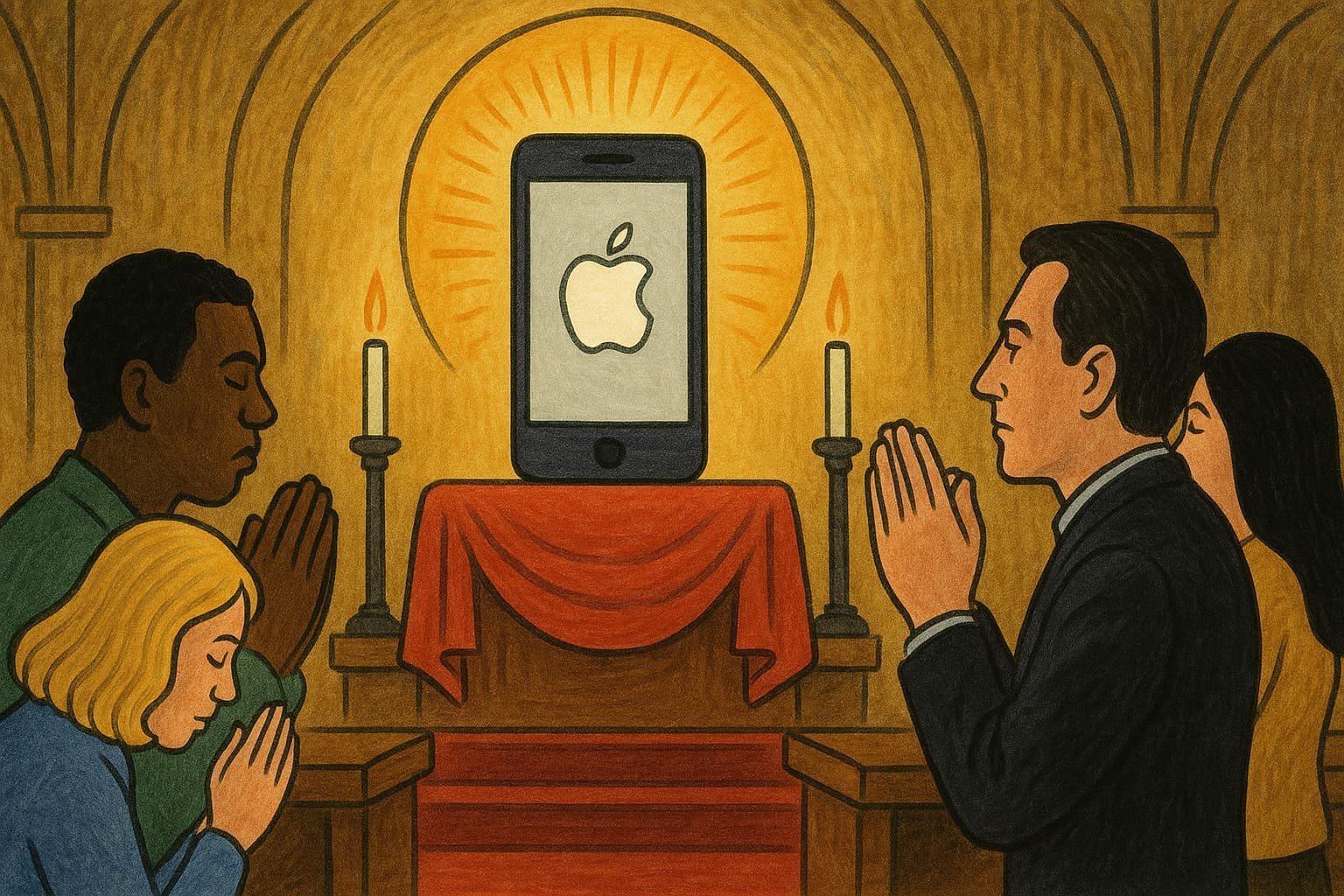
Some brands no longer compete for customers. They compete for believers. Walk past the entrance of a flagship store on launch day and the atmosphere feels strangely familiar. People gather long before sunrise, wearing branded clothing, sharing stories, defending products they have never touched, and celebrating every announcement with contagious enthusiasm. What appears to be ordinary commerce begins resembling a cultural movement. The product matters, yet the identity wrapped around it matters even more.
Most businesses dream of customer loyalty, but loyalty has evolved into something far deeper. Modern consumers often choose brands that reinforce their values, aspirations, and sense of belonging. A favorite company becomes part of personal identity rather than a simple purchasing preference. Criticism of that brand can feel surprisingly personal because the relationship extends beyond features or price. The strongest businesses recognize this emotional bond and nurture it with remarkable consistency.
Building that level of commitment requires far more than clever marketing. Every interaction must reinforce a shared belief system. Employees become ambassadors rather than salespeople. Customers become storytellers instead of passive buyers. Products serve as symbols of a larger mission. Patagonia, for example, has spent years aligning environmental responsibility with its commercial strategy. Many customers support the company not simply because of clothing quality, but because its purpose reflects values they already hold close.
Harley-Davidson offers another remarkable example. Its motorcycles certainly deliver performance, yet the brand’s greatest strength lies in community. Riders organize gatherings, celebrate shared traditions, and proudly display the company’s logo long after parking their bikes. Purchasing a motorcycle often represents entry into a lifestyle rather than ownership of a machine. Competitors can imitate engineering. They struggle to recreate decades of emotional connection built around freedom, independence, and shared identity.
A small outdoor equipment company discovered this lesson unexpectedly. Its founder, Leila, noticed customers returning to stores simply to exchange travel stories instead of making purchases. Rather than focusing exclusively on sales promotions, the business organized hiking events, conservation projects, and local adventure clubs. Revenue grew gradually, but customer loyalty deepened dramatically. People stopped viewing the company as a retailer. It became a place where friendships, memories, and shared experiences naturally flourished.
Psychologist Abraham Maslow argued that belonging sits among humanity’s fundamental needs. Strong brands understand this instinct remarkably well. They create communities where customers feel recognized rather than targeted. Membership becomes emotionally rewarding because people enjoy participating in something larger than themselves. The product merely opens the door. Shared values keep people inside. Businesses capable of fostering authentic communities often outperform competitors relying solely on discounts or promotional campaigns.
The danger emerges when admiration turns into blind devotion. History has repeatedly shown that organizations ignoring criticism eventually lose touch with reality. Wise leaders encourage honest feedback because devoted customers still expect accountability. A healthy brand community welcomes questions instead of silencing them. Trust grows stronger when companies admit mistakes, correct them openly, and demonstrate integrity through consistent action rather than polished messaging alone.
The world’s most admired brands do not earn lasting influence through louder advertising or bigger budgets. They create meaning that customers willingly carry into their everyday lives. That influence becomes remarkably powerful because it grows through shared belief instead of constant persuasion. Businesses seeking enduring success should remember one simple truth. People rarely devote themselves to products. They devote themselves to stories, values, and communities that help them understand who they aspire to become.
