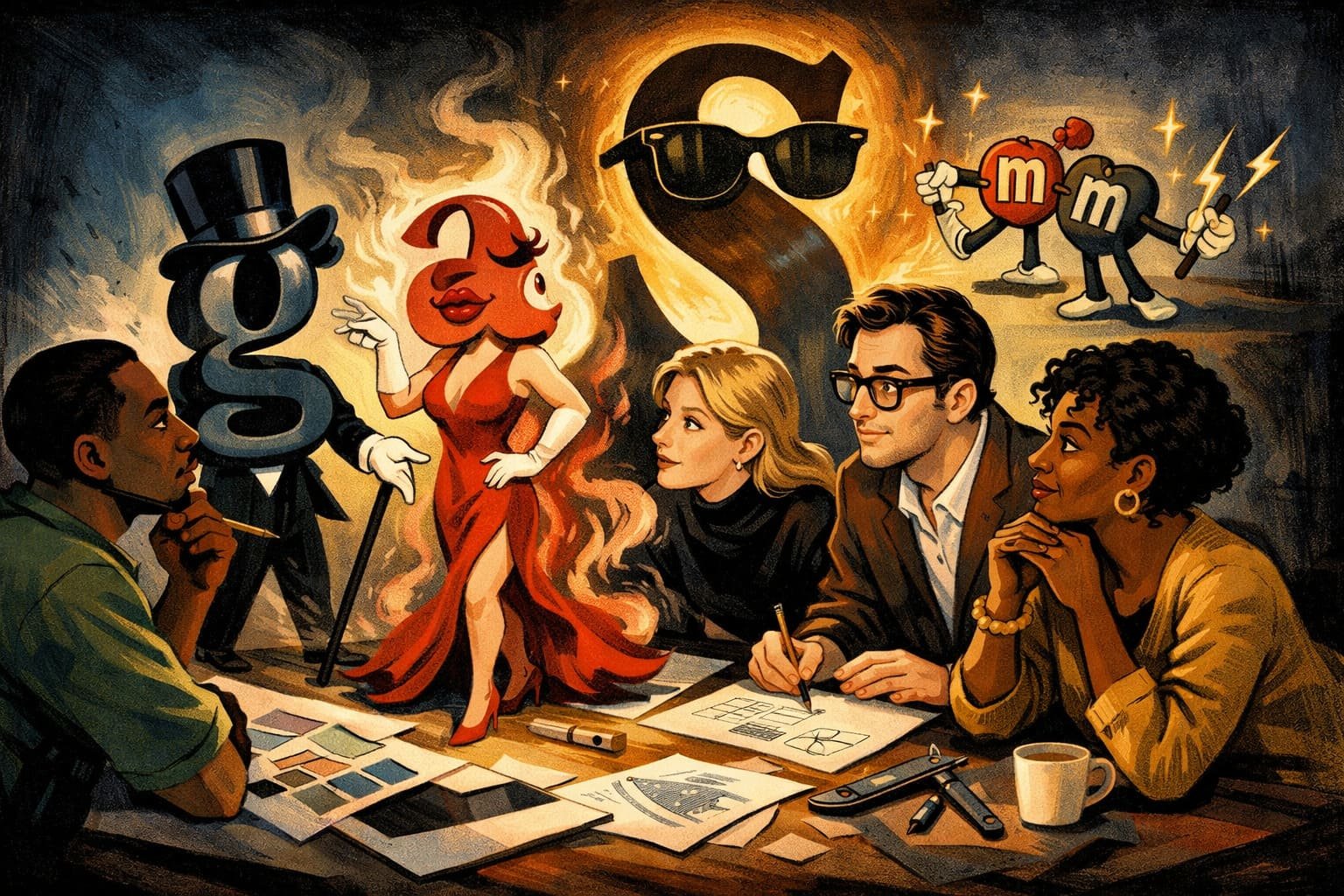
A woman stood in a supermarket aisle holding two nearly identical products. The ingredients looked similar. The pricing felt familiar. The promises sounded interchangeable. Yet one package seemed strangely alive. The letters curved with confidence. The spacing breathed. The typography whispered a personality before a single word was consciously read. The purchase decision happened seconds before logic arrived.
The Font Confession: Why Letters Started Feeling Human
For years, branding discussions revolved around logos, slogans, advertising campaigns, and color palettes. Typography quietly occupied the background. It was treated like furniture. Necessary, functional, largely invisible. Then something unexpected happened. Digital transformation flooded the world with endless content, endless brands, and endless noise. Suddenly, the smallest details started carrying enormous emotional weight.
Modern consumers encounter thousands of messages every day. Most vanish instantly. A handful linger. The difference increasingly lives in subtle design choices that operate beneath conscious awareness. Typography became one of the most powerful among them.
This shift reflects a deeper truth about modern branding. Attention is scarce. Trust is fragile. Authenticity cannot be manufactured through marketing copy alone. Brands now compete through feeling as much as information.
The result feels almost poetic. In an age dominated by algorithms, typography has become one of the last places where brands reveal their humanity.
Silent Signals: The Psychology Hidden Inside Letters
Typography is often mistaken for decoration. In reality, it functions more like body language. Before readers process meaning, they process mood. A sharp geometric typeface communicates something different from a flowing handwritten style. Heavy lettering suggests authority. Elegant spacing suggests confidence. Imperfect forms hint at personality. Every choice sends signals that influence perception long before words enter conscious thought.
A brand strategist named Elowen discovered this firsthand during a rebranding project for a financial services company. The messaging remained largely unchanged. Product offerings stayed identical. The typography shifted dramatically. Customer reactions changed almost immediately. Prospective clients described the organization as more trustworthy, modern, and approachable. Nothing substantial had changed except the visual voice.
Behavioral psychology offers a useful explanation. Human beings evolved to interpret subtle signals rapidly. Facial expressions, posture, tone, and visual patterns influence judgment before analytical reasoning begins. Typography taps directly into those instincts.
This creates a fascinating contradiction. Many organizations obsess over what they say while ignoring how those words feel. Yet feeling often arrives first. Meaning follows later.
Brand Souls: The Death Of Corporate Uniformity
The internet created extraordinary opportunities for businesses. It also produced a plague of sameness. Visit enough websites and a strange pattern emerges. Similar layouts. Similar messaging. Similar visual systems. Similar design trends recycled endlessly. Distinction becomes difficult. Memory becomes even harder.
A founder named Cassian launched an outdoor apparel company after growing frustrated with generic branding across the industry. Competitors relied on predictable visual identities. His team developed a typographic system inspired by weathered trail markers, handwritten expedition notes, and rugged field journals. Customers immediately connected with the authenticity. The letters felt like part of the adventure.
The success reflected a broader cultural shift. Consumers increasingly seek brands that possess recognizable character. People crave signals of humanity within digital environments dominated by automation and optimization.
Pop culture offers an interesting parallel. Streaming platforms provide unlimited entertainment options. Audiences often gravitate toward creators with distinct voices rather than perfect production values. Personality wins attention. Distinction earns loyalty.
Typography has become one of the most effective tools for expressing that distinction. It transforms branding from communication into identity.
Digital Craftsmanship: Why Imperfection Wins Again
Technology spent decades pursuing precision. Every line became cleaner. Every interface became smoother. Every design system became more optimized. Then perfection started feeling sterile.
A creative director named Mireya noticed an unusual trend while reviewing consumer research. Participants consistently responded more positively to brands displaying subtle imperfections. Tiny irregularities created warmth. Human touches generated trust. Excessive polish often produced emotional distance.
The phenomenon appears across modern design culture. Hand-drawn elements return. Organic textures gain popularity. Custom typography flourishes. Brands increasingly embrace visual systems that feel crafted rather than manufactured.
This shift mirrors broader cultural fatigue. People spend much of their lives interacting with algorithms, automated systems, and standardized experiences. Human signals become more valuable precisely because they are rarer.
One of the great ironies of digital transformation is becoming impossible to ignore. The more technology advances, the more consumers hunger for evidence that actual people remain behind the curtain.
The Typography Economy: Trust Becomes Visible
Branding once focused heavily on recognition. Modern branding increasingly focuses on emotional resonance.
Customers evaluate organizations at extraordinary speed. Websites load instantly. Social media impressions form within moments. Digital commerce compresses decision-making into fractions of attention. Visual trust signals become critically important.
An entrepreneur named Sable struggled to attract premium clients despite offering exceptional services. Marketing campaigns delivered disappointing results. Customer interviews revealed a surprising issue. The brand looked generic. It felt interchangeable. A comprehensive typographic redesign transformed perception. Engagement improved because credibility became visible.
This dynamic extends far beyond aesthetics. Typography influences how authority, authenticity, quality, and personality are perceived. It shapes emotional expectations before experiences begin.
Technology companies often discuss user experience as if it begins with interaction. In reality, experience begins with anticipation. Typography helps create that anticipation. It tells visitors what kind of world they are about to enter.
The strongest brands understand something many competitors miss. Every letter functions like a tiny ambassador carrying emotional meaning.
The Last Signature: What Brands Leave Behind
A craftsman sits beneath warm studio lighting sketching letters across textured paper. Nearby, artificial intelligence generates countless design variations in seconds. Both systems produce results. Only one reveals fingerprints.
Across industries, businesses continue investing in automation, analytics, personalization, and digital transformation. Those capabilities matter. They create efficiency, scalability, and competitive advantage. Yet none of them automatically create emotional connection.
The brands people remember rarely succeed because they communicate more. They succeed because they communicate differently. Their visual identities become inseparable from their values. Their typography becomes inseparable from their voice.
A worn notebook rests on a design table filled with sketches, revisions, crossed-out ideas, and unexpected breakthroughs. The pages reveal something technology cannot fully replicate. Character emerges through choices. Soul emerges through intention.
Future branding will undoubtedly involve artificial intelligence, immersive experiences, and new forms of digital interaction. The organizations that endure will still face an ancient challenge. They must convince strangers that something genuine exists beneath the surface. And sometimes that journey begins with nothing more than the shape of a single letter.
