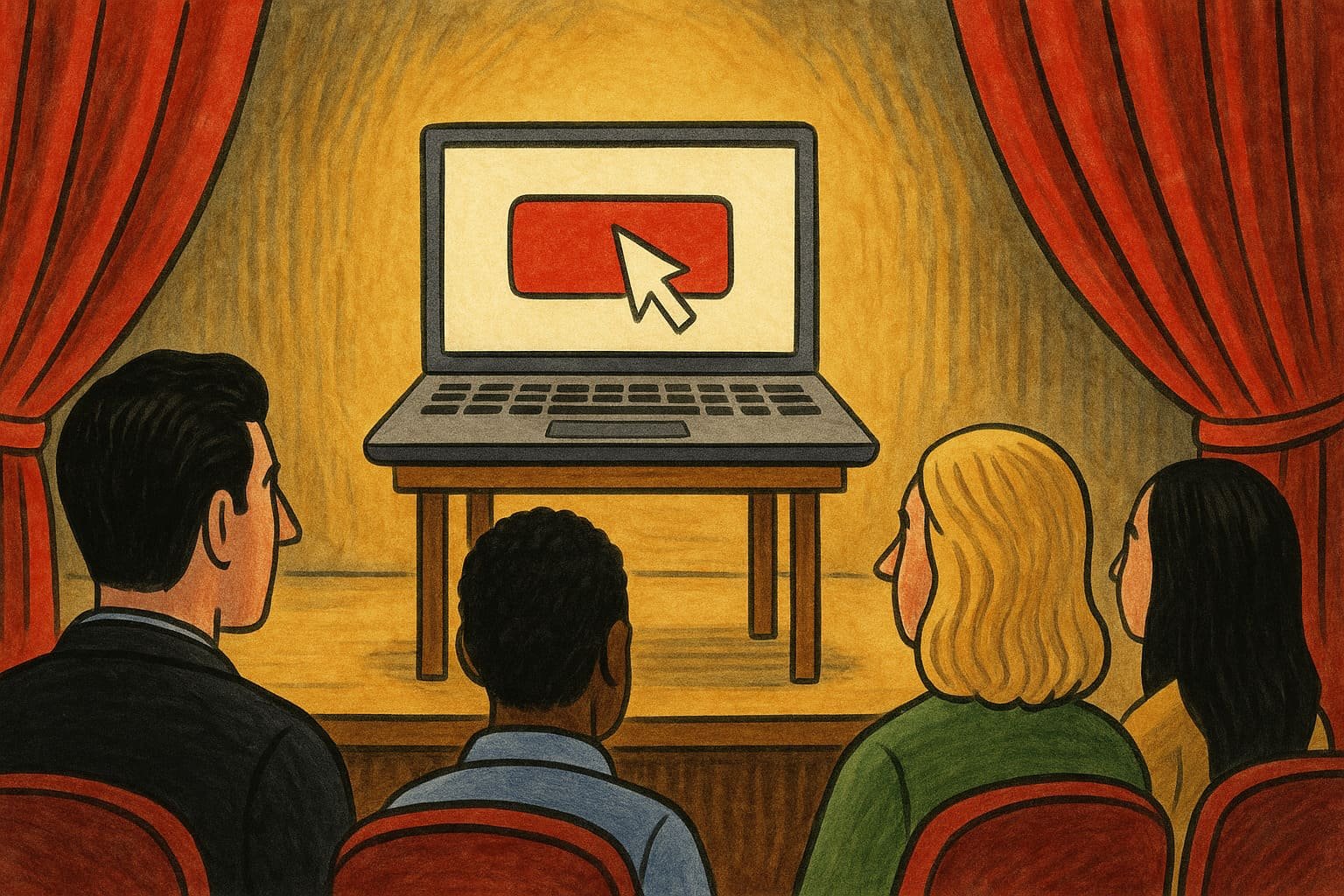
A blue light glows on faces in a dark room, each pair of eyes flickering with anticipation as thumbs hover over glass. Beyond the curtains of code, marketers orchestrate digital stagecraft, ready to dazzle with pop-ups, video teasers, and FOMO-fueled banners. In the silence before action, the audience waits for the call to adventure—an irresistible button, a hypnotic flash, a whispered promise that their life will change with a single tap.
Out in the control booth, analysts watch a wall of live dashboards, hearts pounding with every spike and drop in engagement. Each metric is a line delivered, each click a standing ovation or a yawn that signals failure. The stakes are raw and electric, because every click is currency, every scroll is a second of belief, every bounce is a shattered illusion. Marketing, stripped of its jargon, is theater—improvised, relentless, obsessed with applause.
A young actor named Jamie once walked offstage to silence, sweat beading on his brow, and muttered, “Didn’t land it tonight.” The CMO of a rising fintech startup repeated the same words after a failed product launch, clutching a performance report like a discarded playbill. The room smelled of coffee and nerves, thick with the pressure to win hearts, minds, and wallets with every act.
A website is not a shop window. It is a stage. Every landing page is a fresh scene, every click a vote, every conversion a curtain call. To thrive, brands must master not only script but spectacle—welcoming every visitor into a drama where the only star is the action they choose to take.
Quick Notes
- Clicks Are Applause, Not Numbers: Every click, like a round of applause, reveals how well you’ve held your audience’s attention and moved them to act.
- Emotion Directs the Performance: Conversion is driven by emotion, suspense, and desire, making every call-to-action a dramatic plot twist.
- The Customer Is Both Actor and Audience: Each visitor shapes the story by clicking, buying, or leaving, turning the shopping journey into collaborative art.
- Data Is the Director: Analytics does more than count views; it cues the next act and shapes the script to keep people hooked.
- Winning Brands Rehearse, Improvise, Repeat: Brands that test, adapt, and treat every campaign like a live performance stay relevant, fresh, and unforgettable.
The Anatomy of a Click: Why Every Action Is a Standing Ovation
Every digital experience is a scene, played out under harsh fluorescent lights, beneath the cold gaze of analytics. The drama begins the moment a visitor lands—will they scroll, hover, pause, or leave? Marketers set the stage with color, copy, and movement, crafting micro-moments of tension. Each headline is a spotlight. Every button is an open invitation. It’s never just about information; it’s about the choreography of desire.
The line between actor and audience blurs in this world. Consider Maya, a freelance designer, who spent weeks perfecting her portfolio site. The first time she saw a stranger sign up for her newsletter, she cried—not out of pride, but because it meant her script had landed. Maya realized she wasn’t selling art; she was inviting people to join her story.
Digital performance means accepting the uncertainty of live theater. No amount of rehearsal guarantees applause. Sometimes, the best lines fall flat. Marketers must be willing to rewrite scripts and embrace the risk of failure. Conversion rates rise not from perfection, but from the willingness to improvise and learn with every act.
Pop-culture moments bring this to life. Remember the first viral Old Spice ad? The actor spoke directly to the audience, breaking the fourth wall and shattering conventions. Suddenly, the ad became a meme, a performance repeated in living rooms and classrooms. Marketers who turn clicks into applause understand that the show never really ends.
Every click tells a story: curiosity, fear, longing, delight. The marketer’s job is to orchestrate these moments, making each one memorable enough to warrant a standing ovation—one click at a time.
Emotional Triggers and Theatrical Tension: The Script Behind Every Sale
Performance thrives on emotion. Behind every conversion is a rising note of suspense—a sense that something must be resolved before the curtain falls. Landing pages use bold colors, urgent headlines, and testimonials as stage props to keep visitors on the edge of their seats. The tension between need and offer, between risk and reward, drives the plot.
Marketers borrow tactics from the world’s oldest storytellers. Cliffhangers, plot twists, and dramatic reveals are woven into email campaigns and pop-ups. Digital marketing is obsessed with anticipation. Will the visitor click “Buy Now” before the offer vanishes? Will they sign up for the webinar before seats are gone? Every deadline is a ticking clock, every deal a secret passageway to belonging.
Case in point: Luna’s Candle Co. rebranded their subscription box as a “mystery experience,” with each delivery themed as a new act in a year-long drama. Subscribers posted unboxing videos like audience reviews, savoring every surprise. Luna’s founder, Jenna Moss, admitted, “People want to be part of a show, not just buy a product.”
Emotion powers performance. Marketers stage-manage desire with scarcity, exclusivity, and status. Yet, the best performances respect the intelligence of their audience. Manipulation backfires if it feels dishonest. The tension must be genuine—rooted in the story of the brand, not just the mechanics of the sale.
What happens when the audience senses a trick? Trust vanishes, and applause turns into boos. Marketers who respect the emotional intelligence of their viewers win not only sales but long-term loyalty. Every campaign becomes a shared secret, an inside joke, a moment worth remembering.
The Customer as Star: Collaborative Storytelling in the Click Age
In this theater, the customer is both performer and critic. Every choice shapes the plot, turning anonymous browsers into characters whose decisions drive the outcome. Marketers curate the props, but visitors improvise every scene. No conversion journey is identical. Each person brings their own script—hopes, doubts, desires—to the stage.
Brands that recognize this dynamic win lasting attention. Patagonia’s “Worn Wear” campaign invited customers to share stories of their oldest jackets, transforming them into brand ambassadors. Social feeds filled with photos, campfire tales, and confessions of repair and resilience. The company became not just a seller of jackets but a publisher of adventure.
Personalization deepens the performance. Smart recommendations and custom offers give each visitor a starring role. Marcus, a music producer, always visits the same site to buy audio gear. One day, he noticed the homepage featured his favorite artists, and he felt seen. Marcus told colleagues, “It’s like the site knows my soundtrack. That keeps me coming back.”
Collaborative storytelling requires trust and flexibility. Brands that crowdsource product features, highlight user reviews, and adapt campaigns in real time turn their customers into co-creators. Netflix famously uses viewer data to shape original programming, turning analytics into a shared script. Every play, pause, and binge-watch is a new act in the ongoing show.
In the end, conversion is not a solo performance. It’s an ensemble piece—an ongoing improv where the customer’s applause determines who gets an encore.
Analytics and Adaptation: The Director’s Hand Behind Every Click
If marketing is theater, then analytics is the director in the wings. The audience may not see the cues and corrections, but every pivot and adjustment shapes the show. Heatmaps, scroll maps, and A/B tests are the new blocking notes, marking where attention spikes and where scenes fall flat.
Data-driven marketing turns failure into feedback. Each abandoned cart or dropped session is a rehearsal note, not a defeat. Smart brands iterate daily, rewriting copy, testing visuals, and shifting calls-to-action like a director sharpening lines before opening night. Conversion optimization is not a static discipline. It is restless, relentless, obsessed with improvement.
Take the example of Zoe’s Bakeshop, a boutique bakery that noticed midday sales lagging. By analyzing click data, Zoe realized that customers hesitated on the “order now” page. The team reworked the copy, swapped in photos of gooey brownies, and sales spiked within a week. Zoe’s story made the rounds at marketing conferences as proof that real-time direction matters.
Marketers who obsess over metrics know the thrill of a surprise hit and the agony of a missed cue. Yet, the best directors remember the human element behind the numbers. Not every click can be predicted. Some visitors want a showstopper. Others want a soft lullaby.
Analytics is not a cold accountant. It is a creative force, shaping the script, building suspense, and making sure that every performance lands—right down to the final curtain.
The Infinite Rehearsal: Improv, Failure, and the Art of Iteration
There is no final act in conversion theater. Each campaign is a rehearsal for the next, each launch a test of new lines, new sets, new costumes. Failure is not a tragedy, but an invitation to reinvent. Great marketers embrace the chaos, treat every flop as a learning moment, and never stop experimenting.
Some of the world’s most viral campaigns were born from missteps. When an eco-startup’s first video ad tanked, they invited fans to roast the campaign on social media. The roast became more popular than the ad itself, sparking a wave of authentic engagement. The founder, Devin Lee, joked, “Turns out, failure was our best director.”
Iteration is survival. Markets shift, algorithms change, and audiences demand novelty. The brands that stay relevant treat each campaign as live theater—improvised, irreverent, never the same twice. Marketers trade in humility, inviting feedback, crowdsourcing ideas, and celebrating both the standing ovation and the walkout.
Storytelling evolves with every act. Spotify’s “Wrapped” campaign started as a year-end email, but fans demanded more. Now, the campaign includes interactive stories, shareable playlists, and global celebrations. Every year, the rehearsal gets bigger, and the show gets bolder.
Conversion theater rewards the brave. The marketer who tries, fails, adapts, and tries again builds not just a better funnel, but a lasting legend.
The Applause You Cannot See
Somewhere, a lonely marketer sits in a dimly lit office, screen glowing with the final metrics of the day. The echoes of a million clicks drift through the silence, each one a distant memory of choices made, doubts conquered, and curiosity sparked. Outside, the city’s neon lights pulse like applause for a show that never really ends.
An empty chair waits in the corner, jacket draped carelessly, a coffee mug half-full beside a stack of campaign drafts. In the air lingers the scent of ambition and exhaustion, the bittersweet aroma of risks taken and lessons learned. The digital stage has gone quiet, but the story continues—unseen, unfinished, always hungry for another audience.
In that silence, a question lingers, bold and unyielding: Will you dare to step into the spotlight next?