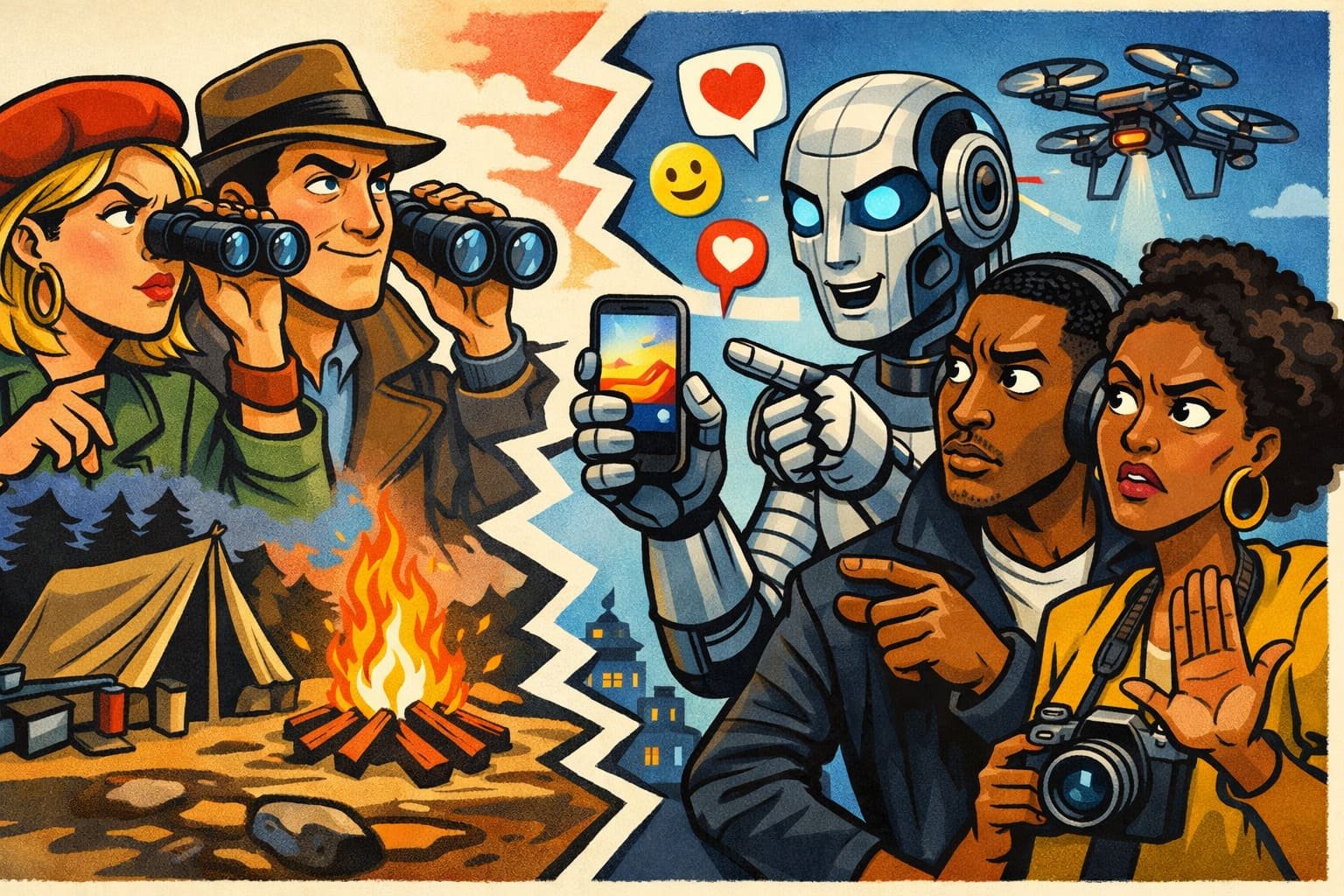
A packed subway carriage rattles through a tunnel while every glowing screen flashes faces that smile with suspicious precision. Nobody speaks, yet everyone keeps scrolling, pausing just long enough to wonder why every recommendation feels strangely familiar. Curiosity hangs in stale air like perfume sprayed moments earlier, pleasant at first, unsettling seconds later. Modern marketing has wandered into an unusual conflict where artificial intelligence produces astonishing efficiency while consumers begin searching for one scarce luxury: unmistakable human authenticity, hidden beneath polished algorithms and flawless digital persuasion.
Marketing once celebrated precision because better targeting promised happier customers and healthier businesses. Today precision often creates another emotion instead, quiet suspicion. When every advertisement predicts preferences before conscious thought arrives, discovery starts feeling rehearsed rather than exciting. Seth Godin famously argued that remarkable brands earn permission rather than demand attention, and that idea suddenly feels less nostalgic than revolutionary. Consumers increasingly reward imperfect founders, handwritten packaging, genuine customer conversations, and transparent mistakes because authenticity has become rarer than technological sophistication in competitive digital marketplaces.
Nike still sells aspiration, yet many successful campaigns resonate because athletes reveal vulnerability before triumph. Patagonia continues attracting loyal customers by consistently connecting environmental commitments with operational decisions instead of polished slogans alone. Maya, who operated a tiny specialty coffee subscription business, abandoned heavily automated emails after customers complained every message sounded strangely interchangeable. She replaced polished templates with thoughtful notes describing roasting mishaps, surprising discoveries, and customer replies. Open rates remained healthy, yet conversations flourished because readers sensed another person rather than another optimization engine waiting behind every carefully selected word.
Strangely, authenticity often appears where efficiency breaks down. A scratched restaurant table carrying decades of conversations can communicate more trust than immaculate designer furniture purchased yesterday. Researchers studying behavioral economics frequently observe that people value signals perceived as costly because genuine commitment usually requires sacrifice rather than convenience. That explains why behind the scenes videos, founder reflections, customer disagreements, and imperfect product demonstrations frequently outperform flawless corporate productions. Human beings instinctively search for effort because effort remains difficult to counterfeit, even when artificial intelligence imitates almost everything else convincingly.
Lush Cosmetics offers another revealing lesson through its willingness to reduce dependence on major social platforms while strengthening direct community relationships. That decision looked unconventional because marketers usually chase larger digital audiences instead of smaller, deeper ones. Daniel, managing growth for an independent outdoor equipment company, noticed returning customers ignored personalized recommendations yet enthusiastically shared photographs from weekend hiking events organized by employees. Revenue improved gradually, although spreadsheets initially questioned those gatherings. Emotional memory quietly accomplished what increasingly sophisticated optimization software struggled to reproduce through predictive automation alone.
Curtains never truly fall inside modern commerce because every purchase becomes another audition for future trust. Crowds continue moving through marketplaces overflowing with intelligent systems capable of writing headlines, generating videos, predicting behavior, and refining campaigns within moments. Yet one unanswered question lingers louder after every technological breakthrough: can authenticity survive once everyone learns how perfectly authenticity can be manufactured? Next time a brand feels almost impossibly relatable, pause briefly before believing the performance, because lasting loyalty often begins exactly where polished certainty finally ends.
