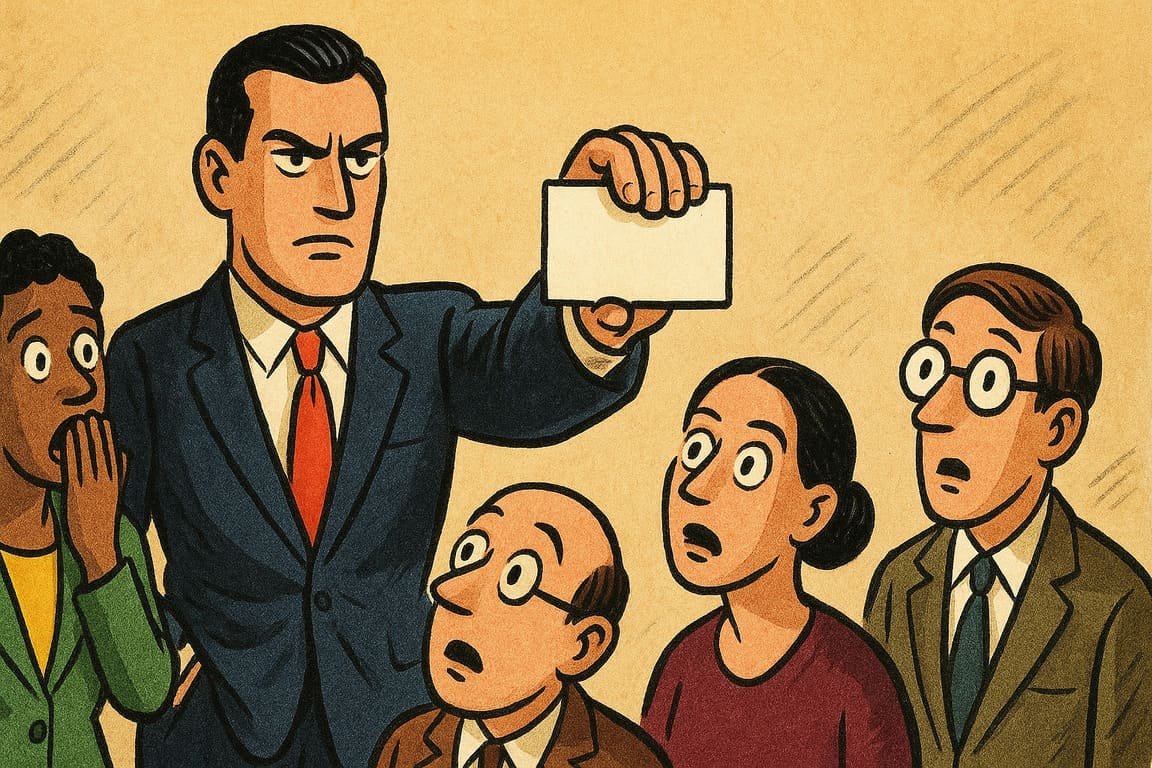
A faded jazz tune drifts through a crowded networking hall as executives, founders, and hopeful dreamers trade hurried smiles and elevator pitches. Palms sweat, handshakes fly, but beneath the hum, the real contest unfolds at pocket level. Cards slide across tables like secret messages. A flash of color here, a sharp texture there. Some are forgotten before the next handshake. Others linger—studied, shared, and quietly admired long after the room empties. In these tiny rectangles, design reigns with silent authority, forging reputations, sealing deals, and deciding which names get remembered.
You know the feeling: rifling through a stack of business cards after an event, most merge into a blur of logos and Helvetica. Yet one or two stop you cold—a daring shape, an impossible finish, a story in miniature. The best cards aren’t just contact info; they’re invitations to a future conversation. They ask a question, make a promise, or challenge you not to forget. These cards don’t chase attention—they command it.
Design transforms a business card from disposable to unforgettable. See how Moo and Vistaprint became household names not by flooding the market, but by empowering people to craft cards with embossing, metallic foils, hand-drawn graphics, and custom textures. When your card feels good to touch, the exchange becomes an experience. Recipients pause, feel the weight, the texture, the care. That pause is where connection happens.
Real-life case study: Muna, a fashion entrepreneur in Lagos, handed out cards cut in the silhouette of her signature dress design at a trade fair. Conversations started before she said a word. Her sales jumped, and the local press took notice. Muna’s cards weren’t expensive, just bold and true to her brand story. The smallest detail—curves, color, a clever die-cut—can turn a fleeting introduction into a lasting relationship.
A card’s design is silent, but its impact shouts. Minimalism signals confidence. Bold colors suggest innovation. Recycled materials show responsibility. In Japan, the ritual of exchanging business cards, or meishi, is so respected that cards are handled as extensions of personal identity. Recipients often study the design before the conversation even begins. It’s not about being flashy; it’s about being intentional.
Storytelling on a business card might sound impossible. But the right visual, tagline, or even a micro-illustration can reveal a brand’s whole ethos. Creative agencies like Sagmeister & Walsh have famously sent cards that fold into miniature sculptures or even dissolve in water, signaling their inventive spirit from the first moment. These cards become keepsakes, conversation starters, and viral content.
Technology now adds new layers. NFC chips, QR codes, and augmented reality transforms the humble card into a portal—scan and you’re transported to a digital portfolio, a video pitch, or a secret invite. At CES, a robotics company issued cards that triggered holographic demos on attendees’ phones. In a world overloaded with digital noise, this blend of tactile and tech creates deep impressions.
Authenticity still rules. Hand-lettered names, imperfect edges, or recycled cardstock tell a story of craft and care. A Brooklyn-based architecture studio stamped every card with a different rooftop skyline, giving clients a unique collectible. People love to be surprised, and these tiny artifacts become tokens of a larger narrative.
Great cards also create reciprocity. A creative card is often shared, shown, or even displayed on desks as a reminder. Indie designers have built entire client lists from cards left behind in coffee shops or co-working spaces. Every card passed is a silent ambassador, working long after you’ve gone.
Cultural cues shape impact, too. Colors, shapes, and fonts hold meaning across markets. A card that reads as innovative in New York might signal tradition in Beijing. Researching your audience, then designing to resonate with their values, multiplies your card’s influence. That’s how global consultants use design as an introduction before a single word is spoken.
Don’t underestimate the power of surprise. Transparent cards, wood veneers, cards scented with essential oils—these choices break the rhythm and signal creative risk. When a card feels like a gift, the relationship starts on a note of gratitude, not transaction.
The final, quiet secret: longevity. Emails fade, LinkedIn connections gather dust, but a remarkable business card sits on a desk, pinned to a wall, or stashed in a wallet for months, even years. When a client finally needs what you offer, your card might be the only thing they remember.
On a rain-dappled street, a solitary card sits in a jacket pocket, its edges softened by time but its design still sharp. Somewhere, a decision is made, a call returned, a partnership born from a silent handshake. The card speaks for you, outlasting words, outliving first impressions. When the world moves on, and memory fades, will your design still be there—waiting to be found, whispering your story to the next lucky hand?
