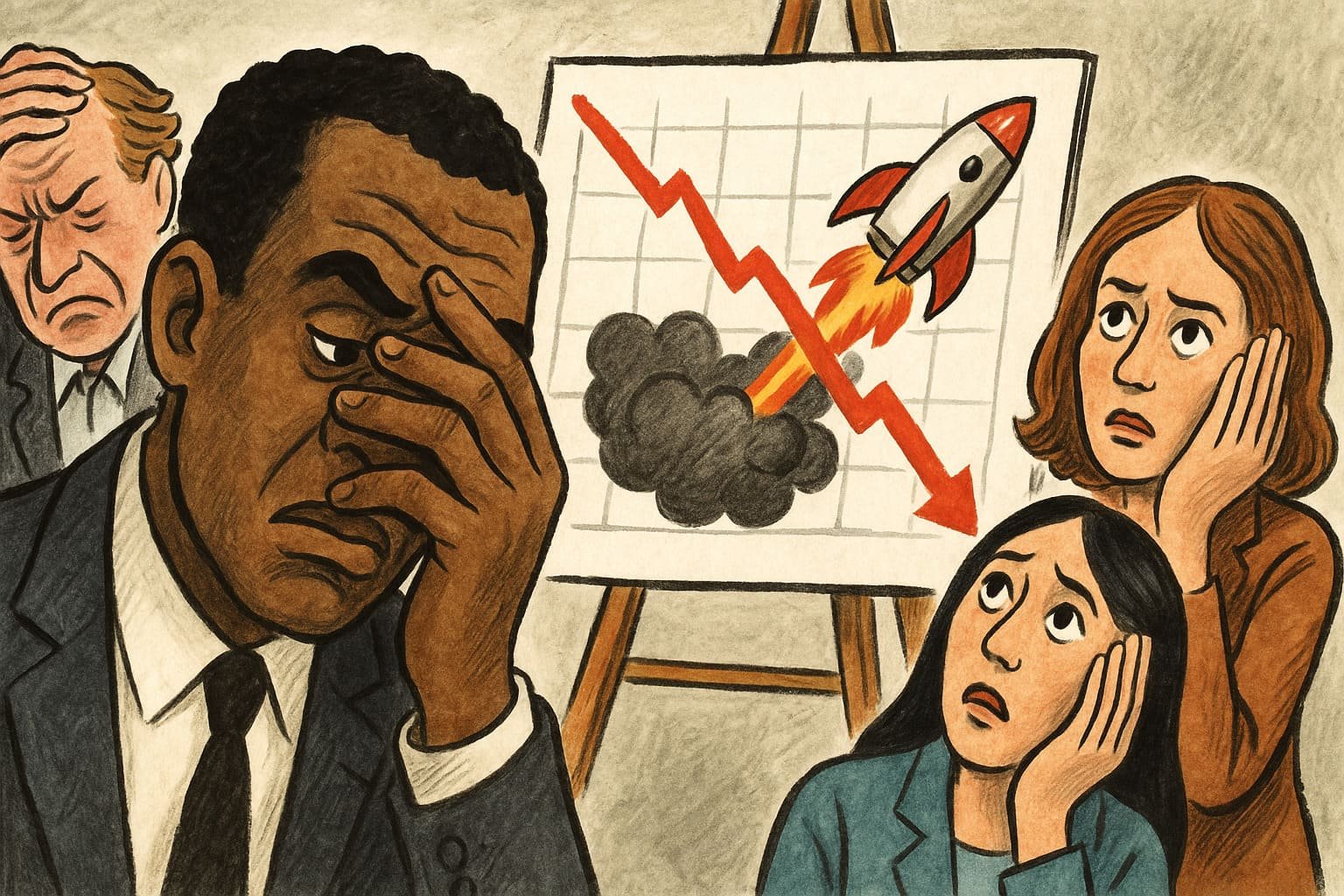
The celebration ended before the banners came down. Investors stopped returning calls, employees quietly packed their desks, and the founder who had once dominated conference stages stared at an empty office that still smelled faintly of fresh paint and burned coffee. Failure arrived without dramatic music or cinematic speeches. It slipped through missed deadlines, ignored warnings, and optimistic forecasts that slowly detached from reality. Startup failure rarely destroys only companies. It bruises confidence, challenges identity, and forces ambitious people to confront uncomfortable truths that success often keeps carefully hidden.
Modern entrepreneurship celebrates victory with extraordinary enthusiasm while treating failure like an embarrassing secret. Social media showcases funding announcements, product launches, and glowing customer testimonials, yet rarely captures sleepless nights filled with doubt or difficult conversations about unpaid invoices. That imbalance creates dangerous expectations for aspiring founders. They begin believing successful entrepreneurs possess unusual certainty or flawless judgment. Reality tells a different story. Nearly every respected business leader carries invisible scars earned through failed ideas, disappointing partnerships, and strategic decisions that simply did not work.
Failure itself is rarely fatal. Refusing to learn from failure usually is. Organizations collapse for countless reasons including poor market timing, weak execution, unrealistic expansion, leadership conflict, or misunderstood customer needs. Those setbacks become valuable only when leaders examine them honestly instead of searching for convenient excuses. Strong founders ask difficult questions before assigning blame. They investigate assumptions, revisit customer conversations, and evaluate culture alongside financial performance. Reflection transforms painful mistakes into practical wisdom that strengthens future decisions far more effectively than effortless victories.
A software entrepreneur named Rowan built an education platform that attracted enthusiastic early investors and impressive media attention. Confident momentum encouraged rapid hiring before customer demand fully matured. Revenue struggled to support growing expenses, yet leadership continued expanding because slowing down felt like admitting weakness. Eventually the company closed its doors. Months later Rowan began meeting former customers individually, listening without defensiveness. Those conversations revealed overlooked needs that inspired a simpler business model. The second venture grew steadily because humility replaced premature confidence.
Business history repeatedly confirms that setbacks often shape remarkable careers. James Dyson created thousands of unsuccessful vacuum prototypes before reaching commercial success. Steve Jobs experienced public removal from Apple before eventually returning to guide one of the most influential corporate transformations in modern history. Their stories are compelling not because failure guaranteed success but because learning remained relentless. Persistence alone never creates extraordinary companies. Intelligent adaptation does. Markets reward founders willing to evolve faster than their assumptions rather than protecting personal pride.
Popular culture often portrays entrepreneurs as fearless visionaries marching confidently toward inevitable triumph. The reality feels considerably messier. Founders wrestle with uncertainty almost daily. They balance optimism against evidence while making decisions without complete information. Some mornings confidence fills the room. Other mornings doubt quietly occupies every chair at the table. That emotional tension should not be feared. It reminds leaders that thoughtful caution frequently produces stronger strategy than reckless certainty dressed as courage or unstoppable ambition.
Management scholar Amy Edmondson describes healthy organizations as places where intelligent failure becomes a source of learning rather than punishment. That philosophy extends naturally into entrepreneurship. Teams become more innovative when they can acknowledge mistakes early without fear of humiliation. Investors increasingly value founders demonstrating self-awareness alongside determination because adaptable leadership survives changing markets far better than stubborn confidence. A startup culture embracing thoughtful experimentation often uncovers opportunities hidden from organizations obsessed with appearing perfect at every stage of growth.
The office eventually empties, leaving only scattered notebooks, silent keyboards, and unfinished dreams waiting patiently beneath layers of disappointment. Those objects never judge the founder who returns determined to begin again. Markets forget failed products faster than people imagine. Experience, however, remains permanently earned. Every honest setback carries a blueprint unavailable inside business textbooks or motivational speeches. The entrepreneur who learns deeply from defeat possesses something remarkably valuable. The next great success often begins the moment failure finally stops feeling like shame.
