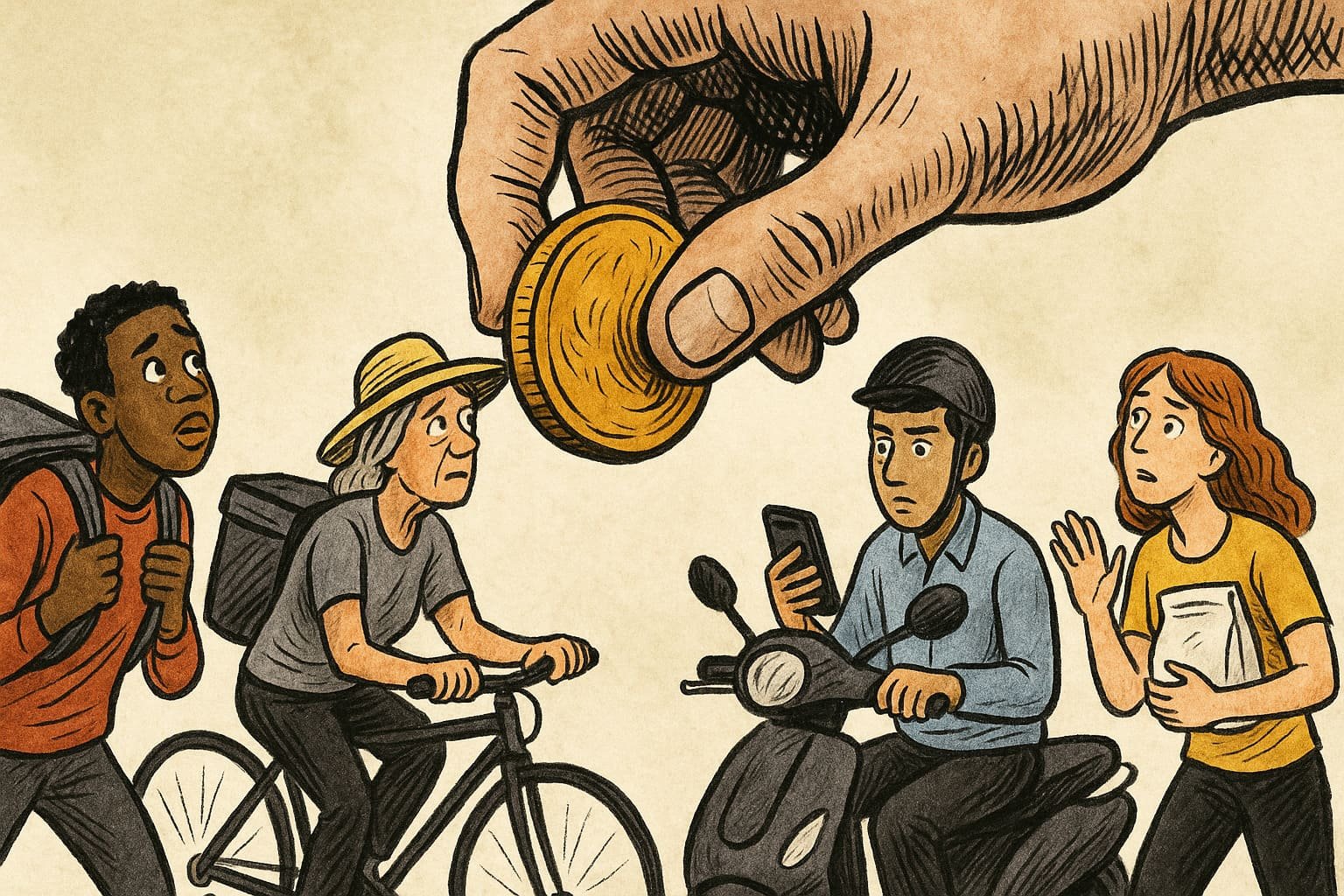
The delivery rider checked the phone for the next assignment before finishing the previous one. A notification appeared, then another, each carrying the promise of income wrapped inside a countdown clock. Around the city, thousands followed the same rhythm. Flexible work had become the symbol of modern freedom, celebrated by startups and investors alike. Yet beneath the convenience lived a more complicated reality. The gig economy did not simply change employment. It quietly redefined how businesses valued time, loyalty, security, and the people who made every transaction possible.
The gig economy has unlocked remarkable opportunities for workers seeking flexibility and businesses needing agility. Freelancers, drivers, designers, consultants, and developers can now connect with clients across continents in minutes. Small businesses gain access to specialized talent without maintaining large permanent teams. Consumers enjoy faster services at lower costs. These advantages explain why the model continues expanding across industries. Still, every breakthrough creates trade-offs. The same flexibility that empowers one worker can leave another carrying uncertainty without the safety nets traditionally associated with full-time employment.
Many executives celebrate efficiency without asking who absorbs its hidden costs. When companies classify workers as independent contractors, operational expenses often decline. Healthcare, retirement contributions, paid leave, and long-term development become someone else’s responsibility. Financial reports improve, but the burden quietly shifts onto individuals navigating unpredictable incomes and inconsistent opportunities. The model is not inherently unethical. Problems emerge when organizations optimize profits while ignoring the human realities supporting those impressive margins. Sustainable business depends on balancing commercial efficiency with genuine responsibility.
Carlos left a stable office position to become an independent graphic designer after dreaming about greater freedom. At first, the flexibility felt exhilarating. He chose clients, managed his schedule, and worked from wherever inspiration appeared. Then slower months arrived. Payments became unpredictable, health expenses increased, and evenings once reserved for family turned into endless searches for new contracts. Carlos eventually built a successful business, but only after recognizing that independence demanded discipline, financial planning, and resilient clients who valued long-term relationships instead of constant price negotiations.
Several organizations have begun exploring more balanced approaches. Platforms that invest in transparent payment structures, skills development, and meaningful support often attract stronger talent while reducing turnover. Companies such as Upwork have introduced tools that help freelancers showcase expertise and build long-term client relationships rather than relying solely on one-off projects. These initiatives demonstrate that commercial success and worker well-being do not have to exist in opposition. Businesses can remain competitive while acknowledging that sustainable ecosystems depend upon mutual trust.
Popular culture frequently portrays gig work as either complete liberation or relentless exploitation. Reality occupies the space between those extremes. Some professionals thrive because the model aligns perfectly with their ambitions and lifestyles. Others struggle beneath unpredictable earnings and limited stability. The business challenge is not deciding whether the gig economy should exist. It is designing systems that reward flexibility without quietly eroding dignity. Markets function best when innovation expands opportunity instead of transferring every risk onto the most vulnerable participants.
Management thinker Charles Handy argued that work should create both economic value and human fulfillment. That idea feels increasingly relevant as digital platforms reshape labor markets around the world. Organizations focused exclusively on cost reduction may achieve impressive quarterly performance while weakening long-term resilience. Businesses investing in fair partnerships often discover stronger loyalty, higher-quality work, and healthier reputations. The future of employment will belong to companies capable of combining technological innovation with enduring respect for the people creating that innovation every single day.
As another notification lights another screen somewhere across the world, another worker accepts another task with quiet determination. Algorithms continue calculating routes, matching clients, and measuring efficiency with astonishing precision. Yet no algorithm fully understands ambition, exhaustion, hope, or sacrifice. Every platform ultimately rests upon human effort that deserves more than transactional recognition. The gig economy has transformed business forever. The lasting question is whether the future of work will simply become faster, or whether it will also become fairer.
