Crystal chandeliers shimmered above a crowded dining room where every table looked full, every waiter moved with urgency, and every guest appeared delighted. Across town, another restaurant served finer food with quieter confidence, yet empty chairs outnumbered customers. Success refused to follow quality alone. Price had already whispered a story before either menu reached waiting hands. Every number carries emotional weight. Businesses often believe pricing measures value, when in reality pricing shapes how value is interpreted long before purchases begin.
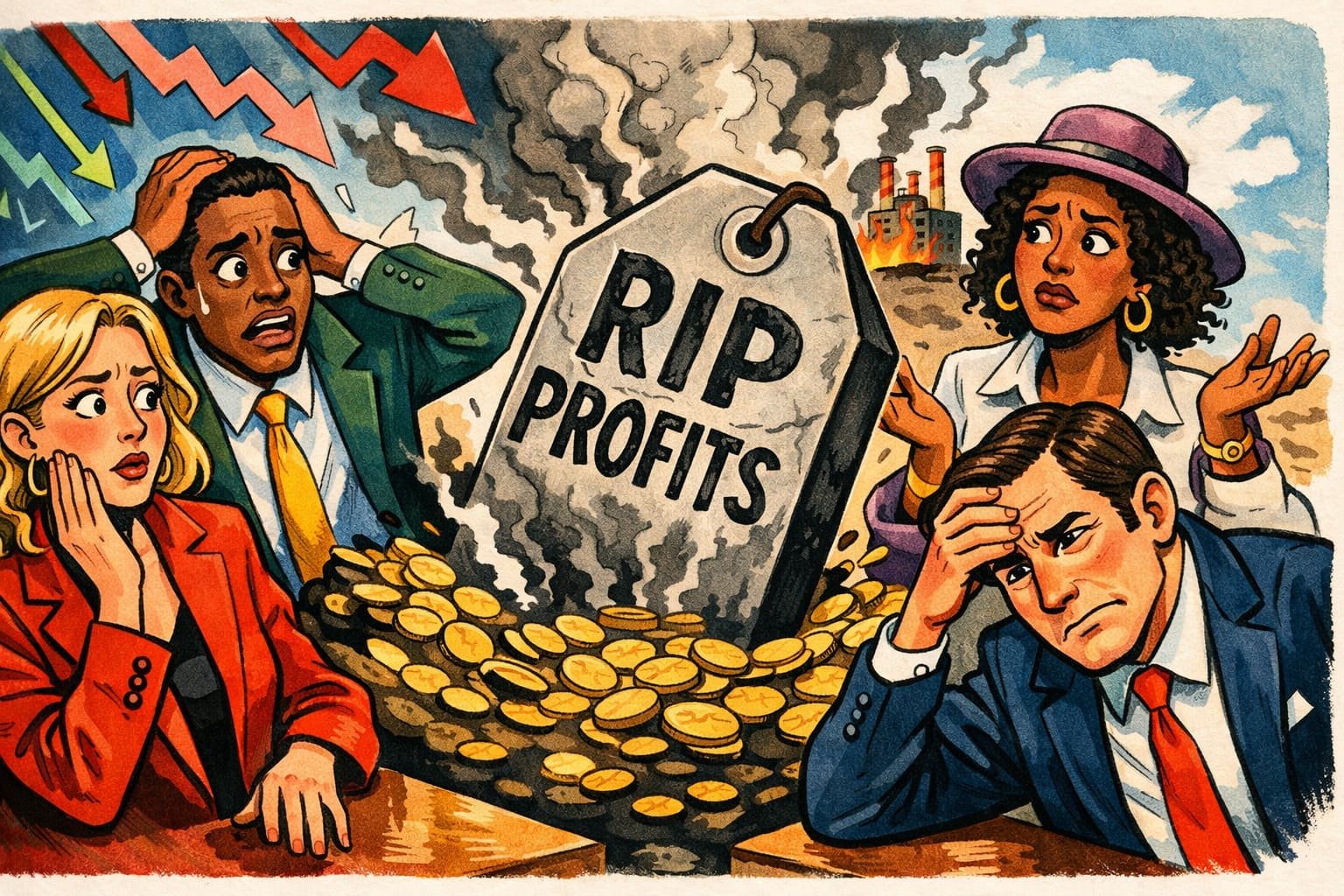
Executives frequently treat pricing as the final decision after products, branding, and marketing have already been completed. That sequence quietly weakens otherwise excellent businesses. Price influences positioning, expectations, customer behavior, and long-term profitability simultaneously. Charge too little and confidence begins eroding. Charge too much without a believable narrative and skepticism replaces excitement. Warren Buffett has often observed that pricing power represents one of the strongest indicators of a durable business because trusted brands rarely compete through discounts alone.
Costco demonstrates remarkable discipline by building loyalty around transparent value rather than endless promotional theatrics. Rolex chooses the opposite strategy, using premium pricing to reinforce exclusivity instead of maximizing volume. Retail founder Emilia Novak learned this lesson painfully after reducing prices across her artisan furniture business during an economic slowdown. Orders briefly increased, yet loyal customers questioned craftsmanship. Restoring premium perception required rebuilding confidence through design, storytelling, and patience rather than another round of cheaper offers.
A curious habit appears at neighborhood farmers’ markets. Shoppers sometimes bypass the cheapest produce without hesitation, choosing fruit displayed with greater care despite higher prices. Perception quietly edits judgment. During a software launch, consultant Marcus Delaney watched clients ignore a basic subscription until his team simplified confusing options and introduced a thoughtfully priced professional tier. Surprisingly, premium subscriptions became the most popular because customers finally understood what quality looked like. Clarity often creates willingness where discounts never could.
Behavioral economists describe pricing as an anchor influencing every comparison that follows. Nobel laureate Richard Thaler demonstrated how context shapes perceived fairness, explaining why identical prices can feel reasonable or outrageous depending upon surrounding choices. Luxury fashion houses, boutique hotels, and subscription businesses repeatedly validate that principle. Strong pricing strategies rarely chase immediate transactions. They cultivate trust, reinforce positioning, and protect future profitability, allowing organizations to grow without becoming trapped inside permanent discount cycles that slowly erode brand strength.
Streetlights reflected across polished shop windows as closing hours approached, leaving price tags quietly waiting for tomorrow’s decisions. Numbers never speak alone because every customer hears a different story hidden beneath them. Prosperous companies understand that pricing is not merely arithmetic. It is psychology expressed through confidence, consistency, and courage. Before lowering another price to win today’s sale, ask whether that decision strengthens the business readers will admire years from now or quietly teaches the market to expect less forever.
