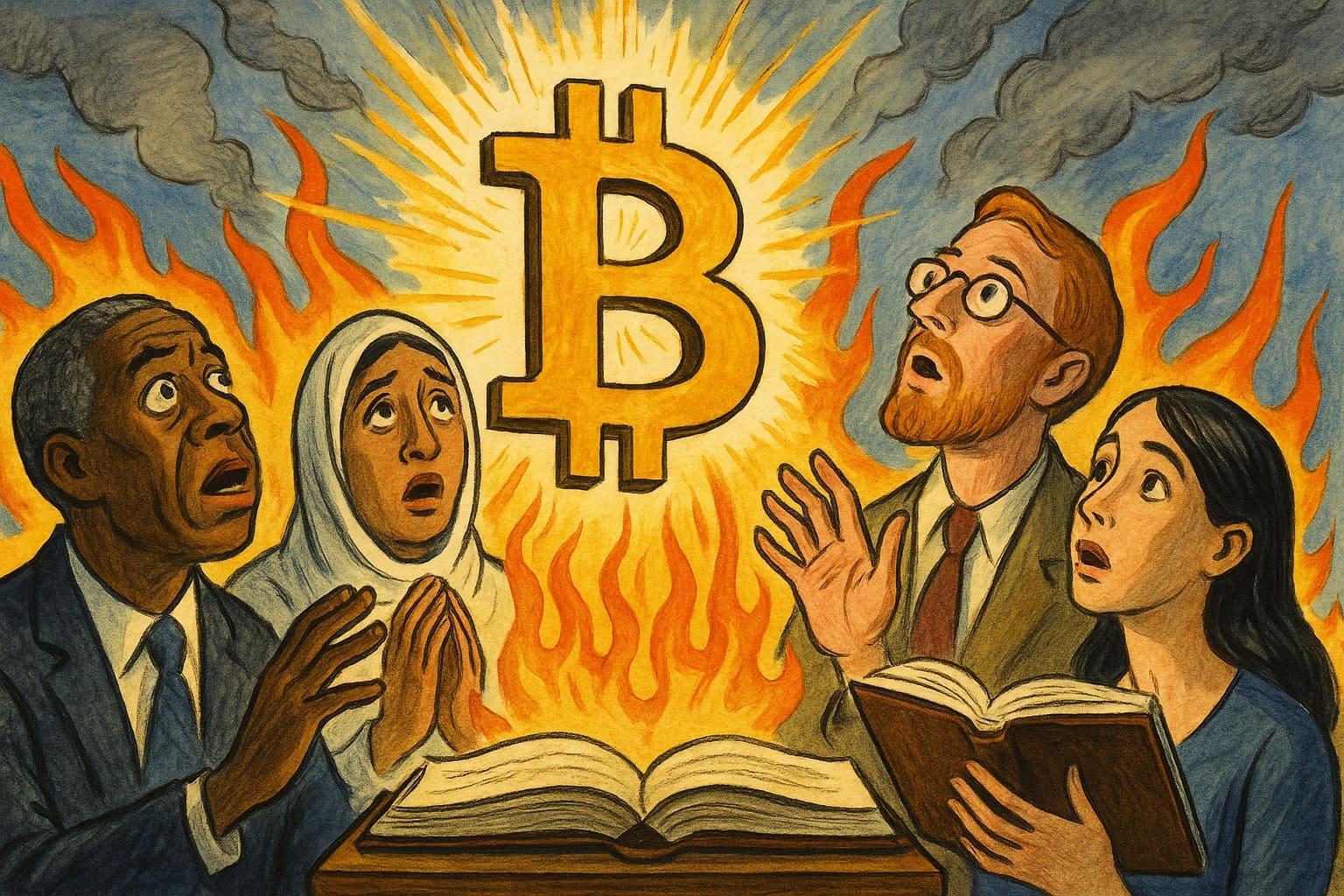
The congregation did not gather inside a cathedral. It assembled across glowing screens, crowded forums, livestreams, and encrypted chat groups where every price surge felt like prophecy. Overnight millionaires became modern apostles, while skeptical voices were dismissed as people who simply “didn’t get it.” Markets have always rewarded optimism, but cryptocurrency introduced something more powerful. It turned belief itself into an asset. The greatest fortunes were often built on confidence before they were built on cash flow, revealing how fragile faith can become when excitement outruns economic reality.
Every financial revolution begins with a compelling story. Railroads promised connection, the internet promised limitless information, and cryptocurrencies promised decentralized trust without traditional gatekeepers. Those ideas attracted brilliant engineers, visionary entrepreneurs, and thoughtful investors. They also attracted speculation. As prices climbed, many people stopped evaluating technology and started chasing momentum. Investment decisions gradually shifted from careful analysis toward emotional conviction. Hope became measurable in market prices, even when practical adoption struggled to match soaring expectations.
The journey of Bitcoin illustrates this tension perfectly. Bitcoin introduced a groundbreaking approach to digital ownership and decentralized finance that reshaped conversations about money across the world. Its innovation inspired developers, institutions, and entrepreneurs to rethink financial systems. Yet alongside genuine technological progress came waves of speculation, fear, and euphoria. During periods of explosive growth, many buyers focused less on the underlying technology and more on the expectation that someone else would eventually pay an even higher price.
The dramatic collapse of FTX offered another powerful lesson. The cryptocurrency exchange expanded rapidly, attracting investors, celebrities, and global attention while projecting an image of stability and innovation. Behind the scenes, governance failures and weak financial controls created risks that many supporters failed to recognize. Confidence evaporated almost overnight once those weaknesses became public. The event reminded markets that trust cannot rely solely on charisma, branding, or rapid growth. Even revolutionary industries remain accountable to timeless principles of transparency and responsible management.
Ethan launched a digital asset investment club after experiencing remarkable early gains in cryptocurrency markets. Weekly meetings grew larger as friends shared stories of astonishing profits. Questions became less analytical and more emotional. “Which coin will explode next?” replaced “What problem does this project solve?” When market conditions changed, excitement quickly gave way to panic. Ethan later admitted that the greatest mistake was not investing in volatile assets. It was allowing optimism to replace disciplined thinking. His second portfolio emphasized research, diversification, and patience rather than viral enthusiasm.
Strong business leaders recognize that innovation and speculation often travel together during periods of technological change. The challenge is separating genuine value creation from temporary excitement. Revolutionary technologies deserve serious attention because they can reshape industries for decades. They also demand careful evaluation. Sustainable investment depends upon understanding business models, governance, customer adoption, and long-term utility instead of following online sentiment. Markets reward disciplined judgment far more consistently than emotional momentum.
Cryptocurrency has also revealed something deeply human about modern markets. People crave belonging as much as financial return. Communities form around shared beliefs, common language, and collective optimism. That social energy can accelerate innovation, but it can also amplify irrational behavior. Healthy organizations encourage curiosity without demanding unquestioning loyalty. Wise investors remain enthusiastic while welcoming skepticism. Doubt, when grounded in evidence, often protects opportunity rather than destroying it.
The future of digital finance will almost certainly be shaped by ideas emerging from today’s cryptocurrency ecosystem. Some projects will transform global commerce. Others will quietly disappear into history. The difference will not be determined by the loudest promises or the largest online communities. It will be determined by businesses that create lasting value, earn enduring trust, and solve meaningful problems. Faith may ignite a market, but only substance can sustain it when the excitement finally fades.
