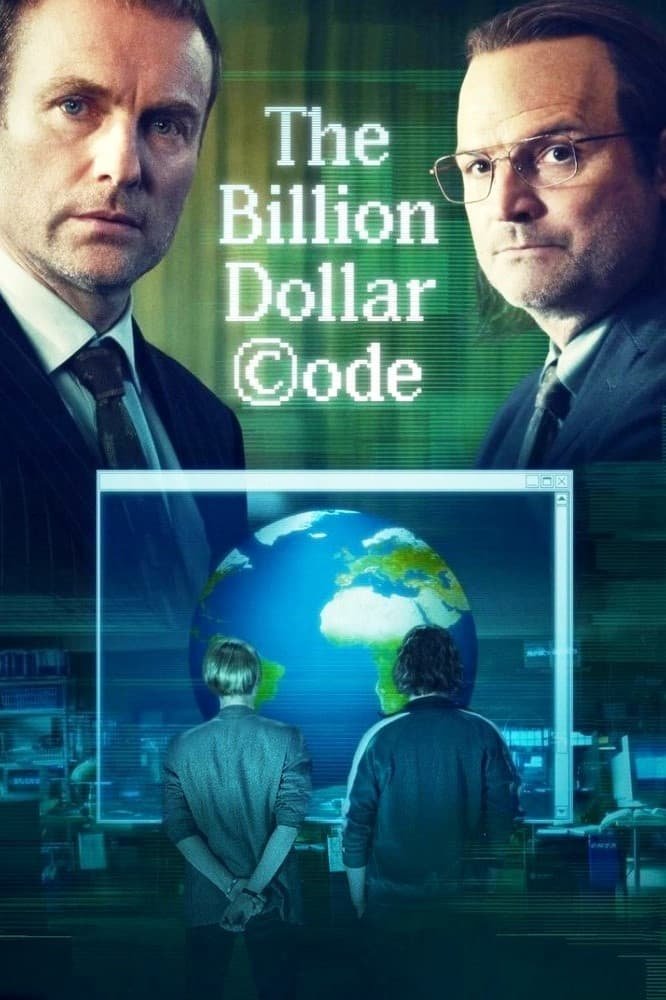
Every now and then, a series comes along that slices through the sterile surface of technology and lays bare the hearts of those who built it. “The Billion Dollar Code” (2021) delivers more than a high-stakes legal thriller; it delivers a wake-up call to every innovator, entrepreneur, and dreamer navigating the ruthless tides of Silicon Valley. Netflix’s four-part drama, inspired by the real story of two German pioneers who claimed Google stole their technology, is a masterwork of tension, heartbreak, and the relentless drive to be remembered.
Viewers expecting lines of code and patent paperwork get far more: the wild ambition of youth, the pressure-cooker intensity of the dot-com boom, and the aching vulnerability of creators who fear their legacies will be stolen by giants. The series swerves between the euphoric rise of Terravision—an early digital mapping system invented by Berlin hackers and artists—and the brutal courtroom war that erupts years later when Google launches Google Earth. From crumbling post-Cold War Berlin to the slick boardrooms of America, every frame pulses with the question: Who really owns innovation?
Beyond its battle-of-the-geeks premise, “The Billion Dollar Code” becomes a universal story about injustice, loyalty, and the double-edged sword of genius. The show isn’t afraid to paint its characters in shades of gray, blending triumph with heartbreak and reminding viewers that the path to changing the world is lined with casualties. You witness friendships fray under pressure, ambition outpace ethics, and courtroom scenes that could leave you breathless or furious.
A powerful undercurrent runs through every episode: the realization that tech history isn’t written by the most brilliant, but by those who know how to play the system. “The Billion Dollar Code” refuses to settle for easy villains or heroes. It leans hard into uncomfortable truths about intellectual property, power imbalances, and the all-consuming hunger for validation that drives inventors to the brink.
Like any great docudrama, this series resonates far beyond its subject matter. Real entrepreneurs, artists, and visionaries will see themselves in the scrappy Terravision team. Leaders and innovators from every field will recognize the price of disrupting the status quo—and the pain of watching your ideas slip from your grasp. If you’ve ever felt unseen, under-credited, or crushed by the system, this show hits home with an emotional punch you won’t soon forget.

Quick Notes
- The show dramatizes the fierce David vs. Goliath battle between Berlin’s Terravision creators and tech titan Google over the origins of virtual mapping.
- It offers a rare, unfiltered look at the creativity, camaraderie, and heartbreak behind true innovation in the early days of the internet.
- Legal, ethical, and personal stakes collide, with the story jumping between 1990s Berlin and modern-day courtrooms.
- Characters are fully human: flawed, passionate, vulnerable, and driven to make their mark in a world that often rewards power over genius.
- Real-world lessons abound, from protecting intellectual property to the emotional cost of chasing recognition in a brutal global marketplace.
Hacked Dreams: The Rise, Fall, and Fight for Terravision
Early episodes open in the rubble and chaos of post-wall Berlin. Carsten Schlüter, a visionary artist, and Juri Müller, a maverick hacker, link up to invent Terravision: a virtual globe that lets users zoom in and out of Earth’s surface, long before Google Earth captured global attention. Their quest to visualize the world’s data blends artistic vision with technical wizardry. The scenes pulse with the creative energy of a city reinventing itself, where boundary-pushing ideas can explode into reality overnight.
Terravision’s rise is electric. With limited resources and limitless ambition, the team works day and night, fueled by passion and a reckless disregard for “impossible.” Viewers see the painful sacrifices—missed birthdays, broken relationships, emotional burnout—that often come with building something revolutionary. Their prototype, showcased to awestruck crowds in the United States, earns accolades and media buzz. But navigating international business is a minefield. Carsten and Juri quickly discover that invention alone won’t shield them from the sharks circling in the tech world.
The show’s pivot into the 2000s delivers the gut punch. Google unveils Earth, a product uncannily similar to Terravision’s breakthrough. The original inventors are stunned, their triumph eclipsed by a company with deeper pockets and smoother lawyers. What follows is an epic legal battle, with the Terravision team taking on a corporate colossus in court. Courtroom scenes are tense, shot through with anxiety, flashbacks, and the ghosts of lost friendships.
Every hearing, deposition, and tense cross-examination chips away at the emotional armor of the protagonists. The show’s writers wisely avoid cartoonish villains. Google’s legal defense is calculated, sometimes chillingly efficient, but the corporate machine feels as inevitable as gravity. Meanwhile, Carsten and Juri’s relationship is tested by old wounds, pride, and the crushing realization that winning in court doesn’t always mean winning in life.
The final verdict lands with the force of a gavel in the soul. By the time credits roll, audiences are left weighing the true meaning of victory, the price of being first, and the bitterness of a world where the spoils go to those who control the narrative, not always those who spark the original idea.
Justice, Jealousy, and Genius: The Billion Dollar Code’s Hard Lessons
Innovation is not a straight line. Terravision’s journey, full of false starts and pivots, mirrors real-world breakthroughs like the founding of Instagram or the creation of Tesla’s first roadster. Failure, risk, and outright theft can derail even the brightest minds. Protecting your work—through patents, documentation, and trusted alliances—is essential in any creative field.
Recognition is a double-edged sword. The series showcases the intoxicating thrill of being noticed, then the agony of seeing your legacy snatched away. Personal egos and group dynamics can shatter under the weight of fame. True leaders must balance their desire for the spotlight with the humility to share credit and weather the storms that recognition brings.
Legal battles are brutal, not heroic. Courtroom drama may make for good TV, but real lawsuits are grinding, expensive, and emotionally exhausting. Many inventors—think Nikola Tesla or Hedy Lamarr—died poor while others profited from their genius. “The Billion Dollar Code” warns that winning justice is rare, and the journey often leaves scars that never fade.
Ethics are never black and white. The show excels at exploring gray areas: when is inspiration really theft? Can an idea belong to anyone? The script avoids moralizing, instead prompting viewers to debate the boundaries of creativity and the obligations we owe to originators, collaborators, and even rivals.
Human connection matters more than victory. Carsten and Juri’s friendship, tested by stress, betrayal, and disappointment, is the show’s emotional anchor. The wounds of lost trust are often deeper than any legal defeat. The real “billion dollar code” isn’t in the lines of software, but in the loyalty, forgiveness, and resilience that fuel all genuine breakthroughs.
The Verdict That Echoes: Why The Billion Dollar Code Resonates Everywhere
Few dramas capture the spirit of invention—and the darkness at its edges—like “The Billion Dollar Code.” The series turns what could have been a dry intellectual property dispute into a visceral, unforgettable journey. It’s easy to draw parallels with real cases: the Winklevoss twins and Facebook, Xerox and Apple, or countless startups that vanished when Goliath flexed its muscle.
Audiences worldwide have found themselves debating not just who “deserved” to win, but how to honor creativity in a world that worships disruption but punishes the disruptors. Countless entrepreneurs have seen themselves reflected in Carsten and Juri’s agony and resolve. Even outside of tech, anyone who’s had an idea co-opted by a bigger player will nod in recognition—and maybe grit their teeth in shared frustration.
Business leaders, especially in the digital age, can mine the series for wisdom. From clear contracts to airtight documentation, The Billion Dollar Code is a case study in safeguarding your innovations before pitching them to potential partners or investors. The show’s legal team even feels like a warning label for startups: hope for the best, prepare for the worst, and never assume David can always beat Goliath.
The most resonant moments, though, are deeply human. Watching Carsten and Juri wrestle with regret, rage, and the longing for closure, the viewer is reminded that behind every seismic shift in technology are flesh-and-blood creators who risked everything for a chance to change the world. Their story lingers, haunting and inspiring, long after the final episode fades out.
No wonder The Billion Dollar Code continues to fuel viral discussions, entrepreneurial cautionary tales, and even academic debate about the true meaning of invention in a hyper-connected age.
After the Code: A Finale That Refuses to Let Go
The emotional power of The Billion Dollar Code lives in its refusal to provide easy answers. The show’s closing chapters offer no fairy-tale justice—only the hard-won wisdom that the journey changes everyone, sometimes in ways they never anticipated. Real-life innovators, too, must grapple with the fact that not every battle is winnable, not every story ends the way we hope, and not every breakthrough gets the credit it deserves.
For viewers, the series sparks lingering questions about fairness, ambition, and the nature of progress. Who owns the future? Is it the dreamers or the dealmakers, the idealists or the realists? The show’s creative team urges us to look beneath the surface of every “success” story for the invisible hands that shaped it—and maybe, quietly, to thank the ones who never got their due.
If you’ve ever built something from scratch, poured your soul into a project, or lost sleep over an idea, The Billion Dollar Code is more than must-see TV. It’s a rallying cry for honoring the messy, human side of progress, and for championing the makers, not just the marketers. The show never stoops to simple moralizing, but its message is loud and clear: Genius is fragile, history is messy, and justice is always worth fighting for—even when the odds are long.
Next time you scroll past a “success” headline or use an app that changed the world, remember the code beneath it—the struggle, the heartbreak, the friendships lost and found. The Billion Dollar Code doesn’t just tell a story; it demands we look at our world with sharper eyes and a braver heart.
Disclaimer
It’s also critical to remember that whether the TV Show is either a work of fiction or real life depiction it must be emphasized that the actions depicted within are not encouraged in reality and shouldn’t be imitated.
