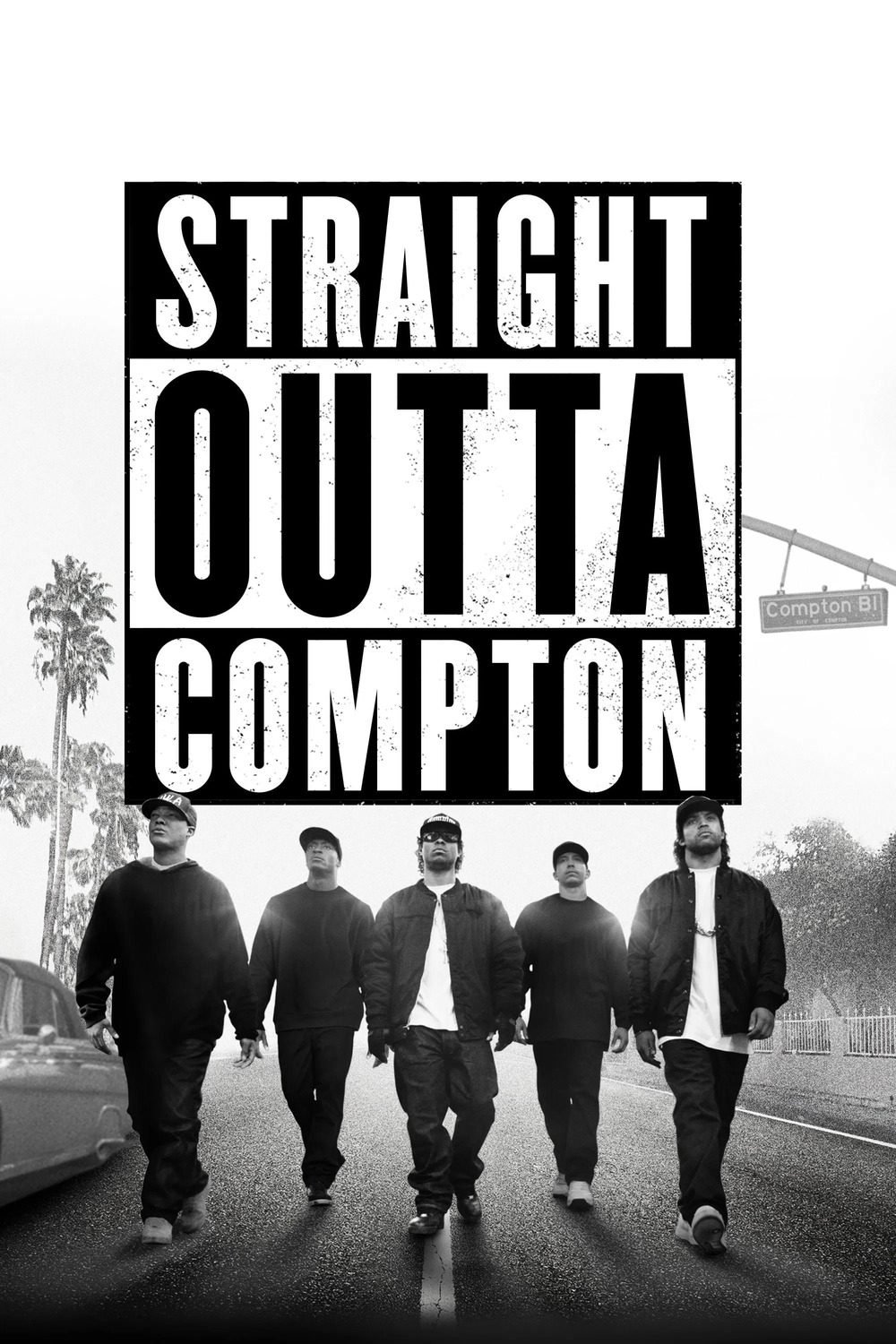
Compton is more than a city: it’s an idea, a warning, a dare, a heartbeat echoing through global pop culture. “Straight Outta Compton” storms onto the screen with a swagger that refuses to apologize, braiding the rhythms of rebellion with the harsh realities of growing up Black and unheard in 1980s Los Angeles. This isn’t just another rise-to-fame tale. Every frame packs an urgency fueled by survival, ambition, brotherhood, and a raw need to tell the truth when the world keeps its fingers jammed in its ears.
Five young men—Eazy-E, Dr. Dre, Ice Cube, MC Ren, and DJ Yella—emerge from crumbling homes, cracked pavement, and the crossfire of systemic injustice. Their music explodes because the world is ready to listen, and the authorities are terrified to hear. The film rides shotgun with these visionaries as they invent gangsta rap, turning lived trauma into poetry, protest, and profit. The tension between artistry and commerce pulses beneath every beat, making each success feel both triumphant and fragile.
The film doesn’t waste time sugarcoating. Director F. Gary Gray demands your attention, shoving you into the back seat for a white-knuckle ride through drive-bys, record deals, betrayal, and impossible loyalty. Audiences don’t just witness the making of N.W.A.; they live it—breathing the same air, sweating out the same danger, clutching at hope while watching fortunes rise and friendships shatter. It’s a masterclass in turning pain into art and then spinning that art back into a battering ram against indifference.
At its core, “Straight Outta Compton” becomes a story about power: who has it, who wants it, and how hard people will fight to keep it. Contracts are as loaded as the streets, managers shift from mentors to predators, and every verse carries both risk and revelation. The personal stakes are immense: families fractured, trust demolished, dreams traded for headlines and lawsuits. Even as N.W.A. climbs the charts, their greatest battle is with the mirror, facing the men they must become in a world eager to tear them down.
This is no nostalgia trip or sanitized biography. It’s a visceral, unflinching portrait of innovation, defiance, and the kind of courage that leaves a mark on history. Watching the rise and fallout of N.W.A. feels like riding a rollercoaster with no seatbelt: you’ll want to cover your eyes, but you can’t look away. The movie’s pulse, heart, and honesty make it impossible to forget. Readers drawn to stories of innovation, leadership, and transformation will find themselves swept up, challenged, and changed.

Quick Notes
- N.W.A. turns the music industry on its head with unfiltered stories of urban life and resistance.
- Tensions with police and authority fuel both art and controversy, sparking nationwide debate.
- The film lays bare the cost of fame: shattered friendships, betrayal, and the price of speaking out.
- Real-life tragedies—including Eazy-E’s death and Dre’s struggles—give the story emotional weight and urgency.
- N.W.A.’s legacy ripples through global culture, inspiring new voices to claim their truth.
Grit and Glory: The Epic Journey of N.W.A
Compton’s neighborhoods aren’t playgrounds; they’re pressure cookers. The film opens with Eazy-E scrambling out of a drug bust gone bad, a blunt preview of the high-stakes world these young men must navigate daily. He isn’t the only one hustling for a future. Dre dreams in vinyl and synths, desperate to trade family conflict for musical freedom. Ice Cube writes reality checks with every rhyme, balancing school with survival. The group’s earliest jams are patched together in makeshift studios and packed house parties, proof that invention thrives in adversity.
A shrewd business move and a risky loan give birth to Ruthless Records. Jerry Heller, played with unsettling charm by Paul Giamatti, swoops in, recognizing the raw commercial power of this unapologetic new sound. Suddenly, these outcasts become outlaws—and then, legends. N.W.A.’s debut album detonates across the country, infuriating law enforcement and politicians while electrifying millions who recognize their own struggles in the lyrics. Every concert is a powder keg; every news story, a challenge to the status quo.
Success brings its own poison. Money pours in, but so do sharks. Cube bristles at unfair contracts and manipulation, eventually walking out and launching a solo career with atomic force. His diss tracks, particularly “No Vaseline,” slice deeper than any court case. Dre, too, reaches his breaking point, tired of broken promises and exploitation. He joins forces with Suge Knight, founding Death Row Records—a move that spawns a new empire but carries heavy, violent consequences.
The human cost is brutal. Eazy-E, once the mastermind and heart of the group, is left isolated and betrayed. The film doesn’t flinch from his vulnerabilities—he struggles to keep Ruthless afloat while facing mounting health and legal crises. His AIDS diagnosis devastates friends and fans alike, lending the story a tragic, cautionary power. Real-world parallels abound: artists in every genre face exploitation, creative control battles, and the fallout from fame’s double edge. Look at Prince’s epic fight for his master recordings or the public contract wars involving Taylor Swift—N.W.A.’s story echoes throughout modern music history.
The final chapters hit with raw emotion. Old grudges fade as tragedy looms; Dre, Cube, and the others rally to Eazy-E’s side, even as time runs short. Their reconciliation speaks to the enduring force of brotherhood, the need to forgive, and the price of pride. By the end, the film’s message is unmistakable: the true revolution isn’t in sales or awards but in the courage to create, speak, and change the world.
Legacy, Lessons, and the Cost of Truth
No industry crushes idealism faster than entertainment, and “Straight Outta Compton” exposes this with surgical precision. N.W.A.’s experience reminds us that innovation rarely comes from the comfortable or the privileged. The world’s most disruptive ideas often grow from pain, injustice, and the refusal to be silenced. Countless entrepreneurs, from Steve Jobs to Oprah Winfrey, have channeled adversity into brilliance, rewriting the rules for their fields. The film becomes a rallying cry for anyone standing at the edge of convention, daring to leap.
Creative partnerships can ignite revolutions but demand relentless communication, boundaries, and mutual respect. N.W.A.’s rise and implosion reflect the realities facing countless startups, nonprofits, and creative teams: shared vision must evolve as success compounds and egos clash. Just as Pixar’s founding team battled through creative rifts to reinvent animation, N.W.A. fought—and sometimes lost—over control, credit, and values. The lesson is universal: success means nothing without trust, and unchecked ambition breeds division.
Exploitation and manipulation can derail even the strongest visionaries. Unscrupulous managers, unethical contracts, and corporate power plays threaten artists in every era. The cautionary tale of Jerry Heller’s relationship with N.W.A. mirrors headline-grabbing conflicts like Kesha’s legal battle with her producer or the fierce disputes over royalties that plague every genre. Vigilance, legal literacy, and self-advocacy are the armor every creative must wear.
Legacy is a double-edged sword. Eazy-E’s tragic fate casts a shadow over every victory, reminding viewers that no amount of fame can insulate against mortality or regret. The story’s power lies in its refusal to offer simple answers. Instead, it demands reflection: What will you sacrifice to achieve your dreams? How far can you bend before you break? Families, friendships, and futures can all be casualties on the road to greatness.
Most powerfully, “Straight Outta Compton” underscores the value of telling the truth, no matter the consequences. N.W.A. risks everything to give voice to the voiceless, sparking conversations that reach far beyond Compton’s borders. Their music becomes both a mirror and a megaphone, empowering new generations to claim their stories. In business, politics, or personal life, this courage is always in short supply—and desperately needed.
From Street Anthems to Boardroom Lessons: The Real Impact of N.W.A
Transformative change never happens quietly. N.W.A.’s journey blazes a path for other marginalized voices across industries—from immigrant tech founders to women entrepreneurs smashing glass ceilings. Their resilience against institutional oppression and corporate manipulation provides a blueprint for any group confronting entrenched barriers. When Rihanna fought for fairer music contracts, or when entrepreneurs like Elon Musk launched disruptive ventures from the fringes, they walked trails blazed by rebels like N.W.A.
Adaptability is survival. The group’s evolution—from unity to conflict to bittersweet reconciliation—mirrors the arc of countless organizations navigating explosive growth, shifting markets, and public scrutiny. Netflix’s pivot from DVDs to streaming, Apple’s transformation under Steve Jobs, or Marvel Studios’ relentless reinvention all reflect a willingness to risk everything, learn from failure, and reinvent before the world moves on.
Fame and fortune arrive with brutal tradeoffs. As Eazy-E’s health fails and Dr. Dre’s business alliances threaten his legacy, viewers glimpse the hidden costs behind every headline. The stress, betrayal, and alienation faced by celebrities are mirrored in high-stakes business environments everywhere. Real-life tales like those of Robin Williams or Anthony Bourdain underline that public adulation cannot replace genuine well-being or connection.
Innovation demands sacrifice. N.W.A.’s greatest triumph—unleashing music that changed the world—came at a steep personal price. Teams that push boundaries in any industry face similar crucibles. When SpaceX’s rockets failed on the launchpad, or when investigative journalists risked careers to expose injustice, the spirit of N.W.A. echoed: progress is messy, painful, and always worth the struggle.
Above all, authenticity is king. Audiences gravitate to leaders, creators, and organizations that own their flaws, voice uncomfortable truths, and stand by their convictions. N.W.A. didn’t sanitize their message for mass approval; their defiance became their brand. Brands like Patagonia, Dove, and Ben & Jerry’s thrive for the same reason: their success is rooted in honesty, courage, and a refusal to pander.
The Beat Never Dies: Why “Straight Outta Compton” Still Matters
No film captures the volatile magic of creative collaboration like “Straight Outta Compton.” Audiences aren’t just treated to a spectacle; they’re thrust into the crucible where dreams, pain, and genius combust. The story’s grip never loosens—every triumph tastes sweeter, every loss cuts deeper, every song becomes a rallying cry for those denied a voice.
N.W.A.’s influence isn’t confined to playlists or charts. Their music, choices, and legacy ripple through business, politics, art, and activism. Social movements from Black Lives Matter to #MeToo carry the DNA of N.W.A.: a willingness to confront power, risk backlash, and demand justice. The film’s message travels far beyond Compton’s borders, reaching anyone who has ever been told to sit down, be quiet, or settle for less.
Cinematic craft elevates the narrative, blending blockbuster energy with documentary precision. Every detail—from the sun-bleached streets to the midnight studio sessions—immerses viewers in an era both distant and urgent. “Straight Outta Compton” becomes a living document, part entertainment, part testimony, and all heart.
Business leaders, artists, and everyday dreamers will recognize themselves in the film’s unblinking portrait of ambition, struggle, and reinvention. Its lessons apply as much to Wall Street as they do to the recording booth. The courage to challenge injustice, the pain of shattered trust, the hope of reconciliation—these are themes as old as time, yet more vital now than ever.
By the final scene, one thing is clear: you don’t have to come from Compton to feel its impact. You just have to believe that your story matters, your voice counts, and your truth can shake the world.
Disclaimer
It’s also critical to remember that whether the movie is either a work of fiction or real life depiction it must be emphasized that the actions depicted within are not encouraged in reality and shouldn’t be imitated.
