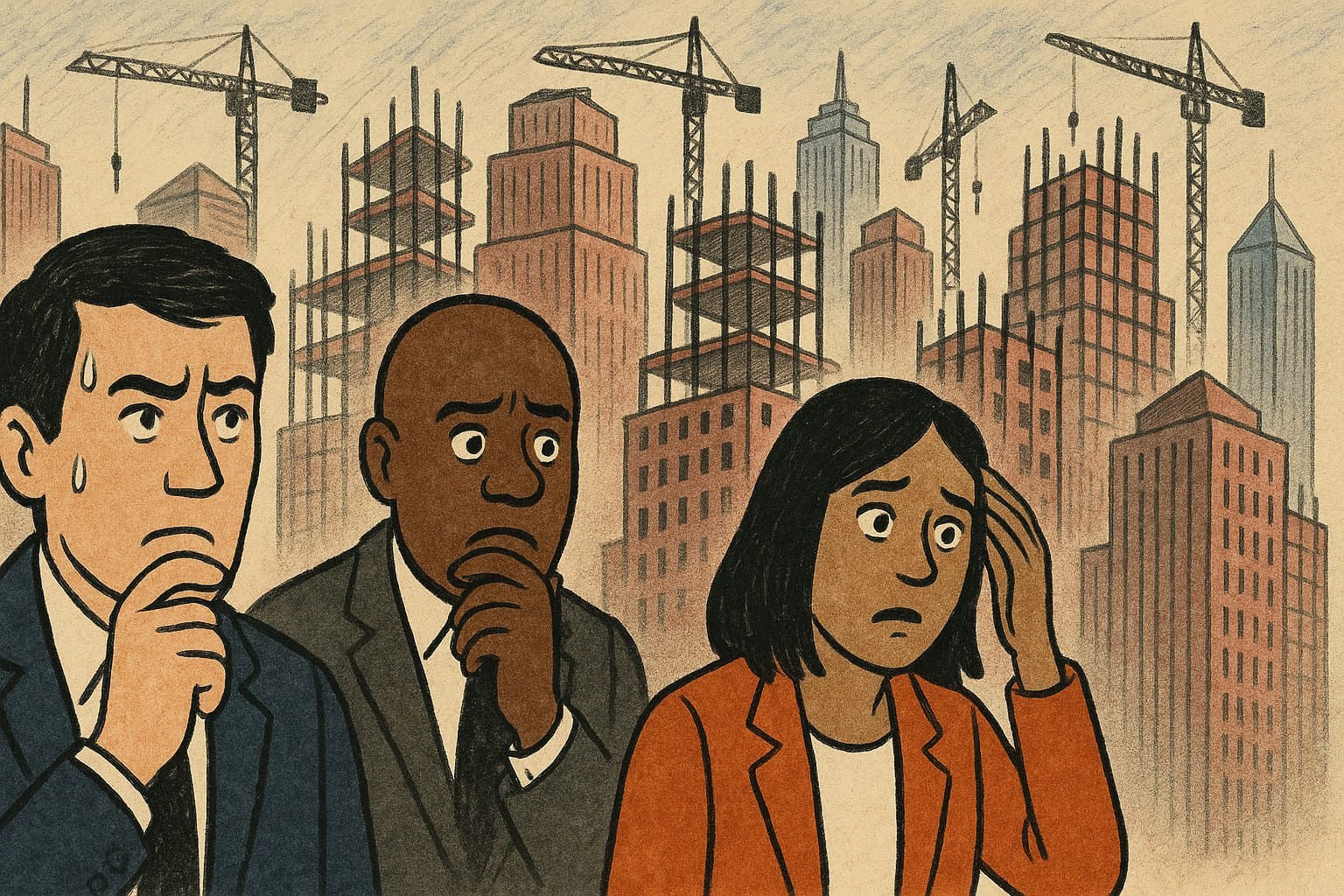
The corner office overlooked a skyline built by ambition, yet its occupant barely noticed the view. Awards lined the shelves. Revenue climbed steadily. Employees admired the company’s remarkable rise. Even so, an invisible voice kept asking a brutal question. “What if none of this was deserved?” Success had arrived, but confidence had not. Hidden behind many celebrated organizations lies an unexpected reality. The higher leaders climb, the louder self-doubt often becomes. The greatest threat is not always competition. Sometimes it is the quiet battle taking place inside the minds of those leading the business.
Imposter syndrome is often mistaken for weakness, yet it frequently appears among high achievers carrying enormous responsibility. Founders question whether early victories were simply luck. Executives wonder if one bad decision will expose them as frauds. Managers hesitate before making bold choices because perfection feels like the only acceptable standard. Ironically, those who know the least often appear the most confident, while experienced leaders recognize how much uncertainty truly exists. Awareness becomes both a strength and an emotional burden.
Many admired business leaders have spoken openly about moments of self-doubt despite extraordinary achievements. Howard Schultz has reflected on the weight of leading a global company while protecting its culture during difficult transitions. Likewise, Indra Nooyi often discussed the pressure of making decisions that affected thousands of employees while constantly balancing competing expectations. Their experiences remind us that confidence is rarely permanent. Leadership often means moving forward despite uncertainty rather than waiting for fear to disappear.
The story repeated itself inside a growing architecture firm led by Marcus. Every successful project attracted larger clients, but each new contract made him question whether the company was capable of delivering. During meetings he quietly compared himself with competitors who appeared more polished and experienced. One afternoon a longtime client interrupted his anxious explanation and smiled. “We hired your team because you solve problems others overlook.” Marcus realized his customers judged results, not the insecurities he carried into every conversation. That insight reshaped his leadership more than any business seminar ever could.
Organizations suffer when leaders allow private doubt to dictate public decisions. Innovation slows because every proposal demands impossible certainty. Employees become hesitant after watching managers second-guess every initiative. Opportunities disappear while competitors move with imperfect but decisive action. Healthy businesses recognize that calculated risk is not reckless. Progress has always required thoughtful experimentation. Leadership is rarely about possessing every answer. It is about creating environments where intelligent learning continues even when outcomes remain uncertain.
The strongest companies build cultures that separate personal worth from professional mistakes. Teams that openly discuss setbacks often outperform those obsessed with protecting appearances. Honest feedback becomes easier. Creativity expands because people stop fearing embarrassment. Accountability remains essential, but blame loses its grip. Employees grow when leaders demonstrate humility without surrendering authority. Confidence rooted in continuous learning proves more durable than confidence built upon the illusion of flawless execution.
Perhaps the greatest irony of imposter syndrome is that it often reflects deep commitment rather than incompetence. People who genuinely care about serving customers, leading responsibly, and creating lasting value naturally question whether they are doing enough. That discomfort, when managed wisely, becomes a source of discipline instead of paralysis. It encourages preparation, reflection, and constant improvement. Arrogance rarely builds enduring businesses. Humility paired with decisive action often does.
Every remarkable enterprise carries two stories. One unfolds through headlines, product launches, and financial success. The other remains invisible, shaped by quiet moments when leaders wrestle with uncertainty before choosing courage anyway. Those unseen battles rarely appear in annual reports, yet they often determine whether organizations continue growing or quietly retreat into safety. The most enduring business empires are not built by people who never doubted themselves. They are built by those who refused to let doubt become their final decision.
