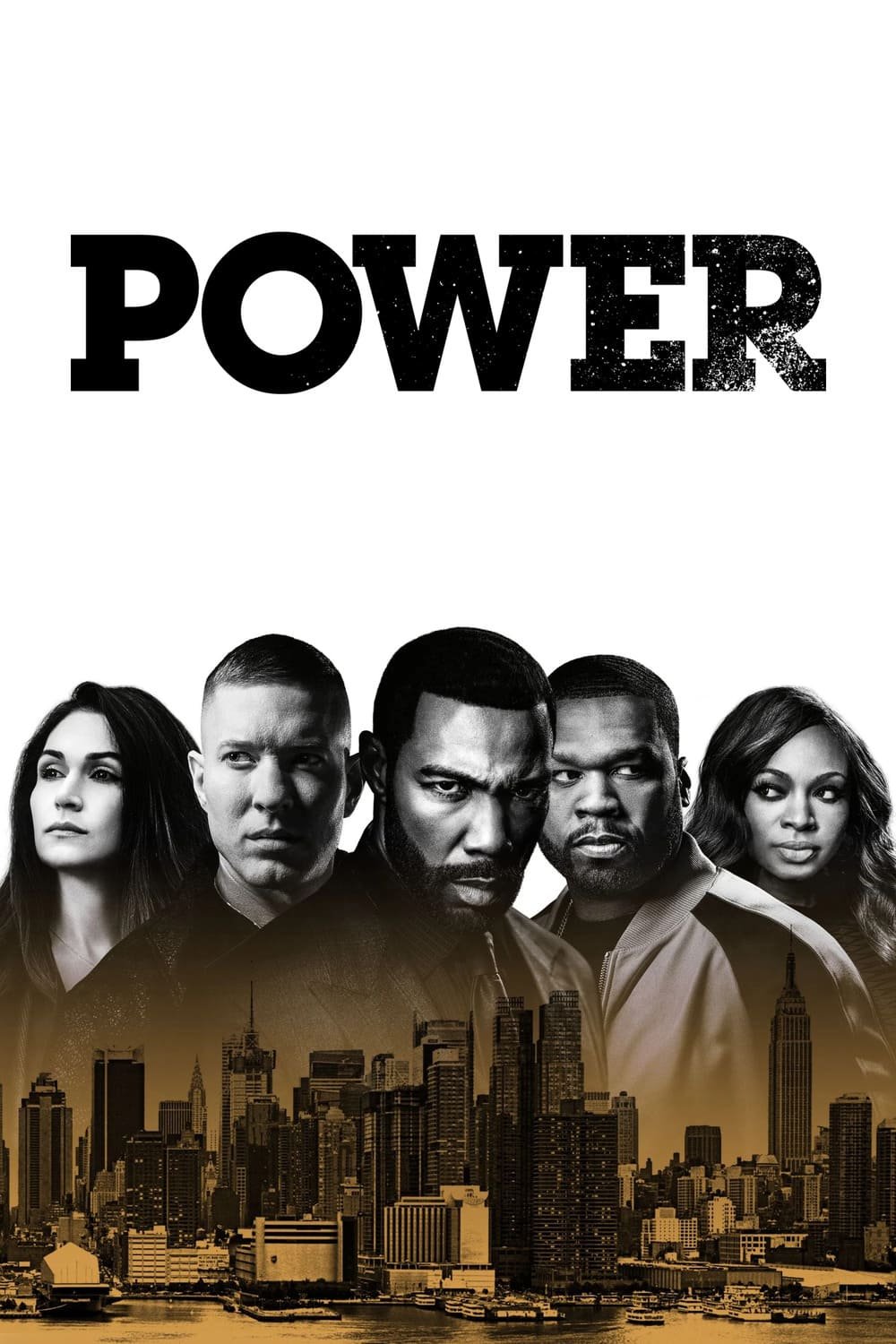
Nightfall drapes New York City in silk and steel, and somewhere in its glittering sprawl, a kingpin dreams of legitimacy while his enemies circle like wolves. Starz’s “Power” does not just flicker on your screen; it seizes your attention with the force of a lightning storm, pulling you into a world where ambition devours weakness and every decision risks ruin. James “Ghost” St. Patrick is not your average antihero. He is a symphony of contradictions: nightclub mogul by day, high-stakes drug lord by night, and a man whose duality embodies the battle between aspiration and reality.
From the opening notes of its theme song, “Power” throws you into an underworld where alliances dissolve, rivals plot in velvet booths, and trust has an expiration date. The city feels alive, buzzing with secrets and temptations, each street corner a chessboard, every move echoing with consequences. The camera lingers on Ghost as he surveys his domain, haunted by the desire to reinvent himself, to break free from the chains of his past. Yet, in every shadow lurks a reminder: the past is never finished with us.
Audiences are instantly hooked by the show’s cinematic style and its refusal to offer easy answers. You find yourself rooting for characters who defy every moral standard you thought you held. The writing crafts every episode like a loaded dice roll—nothing ever lands quite where you expect. Betrayals shatter friendships, love grows dangerous, and loyalty is a fleeting currency. The tension cuts deeper than most crime dramas dare, because “Power” does not just show violence, it exposes the violence ambition inflicts on the human heart.
What sets “Power” apart is its authenticity. It draws from real-world power struggles, echoing stories you might hear whispered in corner offices or late-night clubs. Like the saga of Wall Street tycoon Michael Milken, who sought redemption after scandal, or the rise and fall of Pablo Escobar, “Power” finds drama in the truth that those who climb the highest often have the most to lose. Every twist feels plausible, rooted in the grit and grind of people chasing the American dream through the smoke of impossible choices.
The hunger for more power, the pull of love, the grip of betrayal—these themes pulse through every scene. If you have ever craved something bigger than yourself or wondered how far you would go to protect your secrets, “Power” invites you to step into the ring. It is not just television; it is a mirror reflecting how the real game of life is played.

Quick Notes
- Double lives ignite: Ghost juggles nightclub fame and a hidden empire, struggling to escape his criminal roots.
- Friends become foes: Betrayals and shifting alliances test every bond, both in business and at home.
- High-stakes choices: Every decision comes with a price, forcing characters to navigate blurred lines between right and wrong.
- Unforgettable characters: Each player, from Tommy’s wild loyalty to Angela’s conflicted drive, electrifies the screen.
- A world of consequences: Actions echo long after the credits roll, showing that power always demands a sacrifice.
Power: A City of Shadows and Ambition
James St. Patrick’s journey begins at the pinnacle of Manhattan nightlife, where opulence glitters and opportunities shimmer for those willing to seize them. By day, he embodies sophistication and success, hosting celebrities and socialites in his upscale nightclub, Truth. Yet, beneath the tailored suits and champagne toasts, Ghost orchestrates a complex drug operation that finances his empire and threatens his very soul. The show draws viewers into this duality, revealing how dreams of respectability often clash with the undertow of old allegiances.
Complicating matters is Ghost’s relationship with Angela Valdes, a childhood sweetheart turned federal prosecutor. Their reunion reignites a dangerous romance, pitting love against loyalty and forcing Ghost to juggle deception on every front. Angela’s quest for justice collides with her heart’s desire, blurring the lines between enemy and ally. Their story elevates “Power” beyond typical crime fare, layering each episode with longing, regret, and impossible choices.
The series introduces Tommy Egan, Ghost’s fiercely loyal best friend and business partner. Tommy is the wild card, a volatile force whose love for Ghost is matched only by his willingness to burn the world for their shared success. Together, they navigate the minefields of rival gangs, law enforcement, and internal betrayal, each victory tempered by fresh dangers. The dynamic between Ghost and Tommy reveals how loyalty can become both a weapon and a weakness, making for some of television’s most compelling character arcs.
As the seasons unfold, Ghost’s world grows increasingly unstable. Rivals close in, the law tightens its grip, and every ally becomes a potential traitor. The struggle for legitimacy collides with the reality that power, once seized, is never easily relinquished. Family, business, and personal identity spiral into a tangle of conflicts, forcing Ghost to confront the cost of his ambition.
Throughout its run, “Power” refuses to glorify crime or paint its characters in simple strokes. Every episode peels back layers, exposing vulnerabilities and humanizing even the show’s fiercest adversaries. The narrative is relentless, refusing comfort or closure. It leaves viewers questioning the real price of power and wondering whether anyone can truly escape their past.
Lessons and Insights That Hit Harder Than a Plot Twist
Power teaches the harsh truth that double lives rarely remain hidden. Ghost’s quest to balance respectability and criminality mirrors countless real-world leaders who have struggled to reconcile public images with private demons. The lesson is clear: authenticity is a survival skill, and hiding from yourself only deepens the trap. Living behind a mask corrodes even the strongest foundations, a reality echoed by entrepreneurs who lost it all trying to be someone they are not.
Every episode proves that loyalty and ambition are forces forever at odds. In business and in life, the people you trust today can become tomorrow’s fiercest competitors. The show’s shifting alliances feel ripped from headlines about partners who turned on each other when the stakes rose. This is a warning for anyone who values relationships: keep your inner circle close, but never forget that power can change even the best intentions.
“Power” does not shy away from the impact of choices. Every decision made in the shadows inevitably surfaces, often with devastating consequences. The show reflects real-world scandals where a single misstep unraveled years of work. It is a stark reminder that integrity matters even when no one is watching. The ripple effect of a bad call can sweep away everything built over a lifetime.
Love is a force that can both redeem and destroy. Ghost’s longing for Angela complicates every move, clouding his judgment and jeopardizing all he has built. This echoes stories of leaders whose personal passions compromised their empires, from politicians to CEOs whose private lives ignited public downfall. The heart’s desires do not exist in isolation—they shape and sometimes upend our biggest dreams.
Finally, “Power” is a masterclass in adapting to adversity. No character escapes unscathed, and survival often demands reinvention. Watching Ghost pivot in response to threats is a lesson in resilience and agility that translates far beyond the world of crime. In the real world, the ability to adapt—whether in business or personal life—often marks the difference between lasting success and spectacular failure.
Why Power Keeps You Hooked and Wanting More
Few shows dare to blend action, emotion, and social critique with such relentless momentum. Every moment pulses with tension, every relationship carries the seeds of triumph and disaster. Viewers stick around not only for the action, but also for the emotional stakes and ethical dilemmas that could rival the boardrooms of Fortune 500 companies. “Power” is more than entertainment—it is a study in ambition, loyalty, and the human condition.
The character of Ghost is an unforgettable anchor for the show’s world. Watching him maneuver through legal and criminal minefields, you witness the cost of leadership and the crushing weight of impossible choices. His journey is not just about crime or redemption, but about the universal desire to be seen, respected, and free from the ghosts of our past. This makes the series as relevant to a struggling entrepreneur as to anyone balancing the demands of family and ambition.
Real-life case studies echo the world of “Power.” Consider the story of Martha Stewart, whose empire teetered on the edge after a scandal, only to recover through reinvention and sheer willpower. Or the fall of Bernard Madoff, whose secret double life toppled a financial dynasty and shattered countless lives. These examples remind us that power, once gained, can be fragile, and rebuilding trust is often the hardest challenge of all.
Humor and satire thread through the show, keeping the mood fresh even as the stakes climb. The writing finds absurdity in chaos, turning tense moments into sly commentary on the cost of chasing success. There is always a wink beneath the grit, a reminder that in life’s darkest corners, wit can still light a spark of hope.
After the credits roll, the questions linger: What are you willing to sacrifice for your dreams? Can anyone truly reinvent themselves, or does the past always catch up? “Power” does not serve easy answers, but it does deliver a story that keeps audiences hungry for more—a world where every choice matters, every secret carries weight, and nobody escapes the game unchanged.
Disclaimer
It’s also critical to remember that whether the TV Show is either a work of fiction or real life depiction it must be emphasized that the actions depicted within are not encouraged in reality and shouldn’t be imitated.
