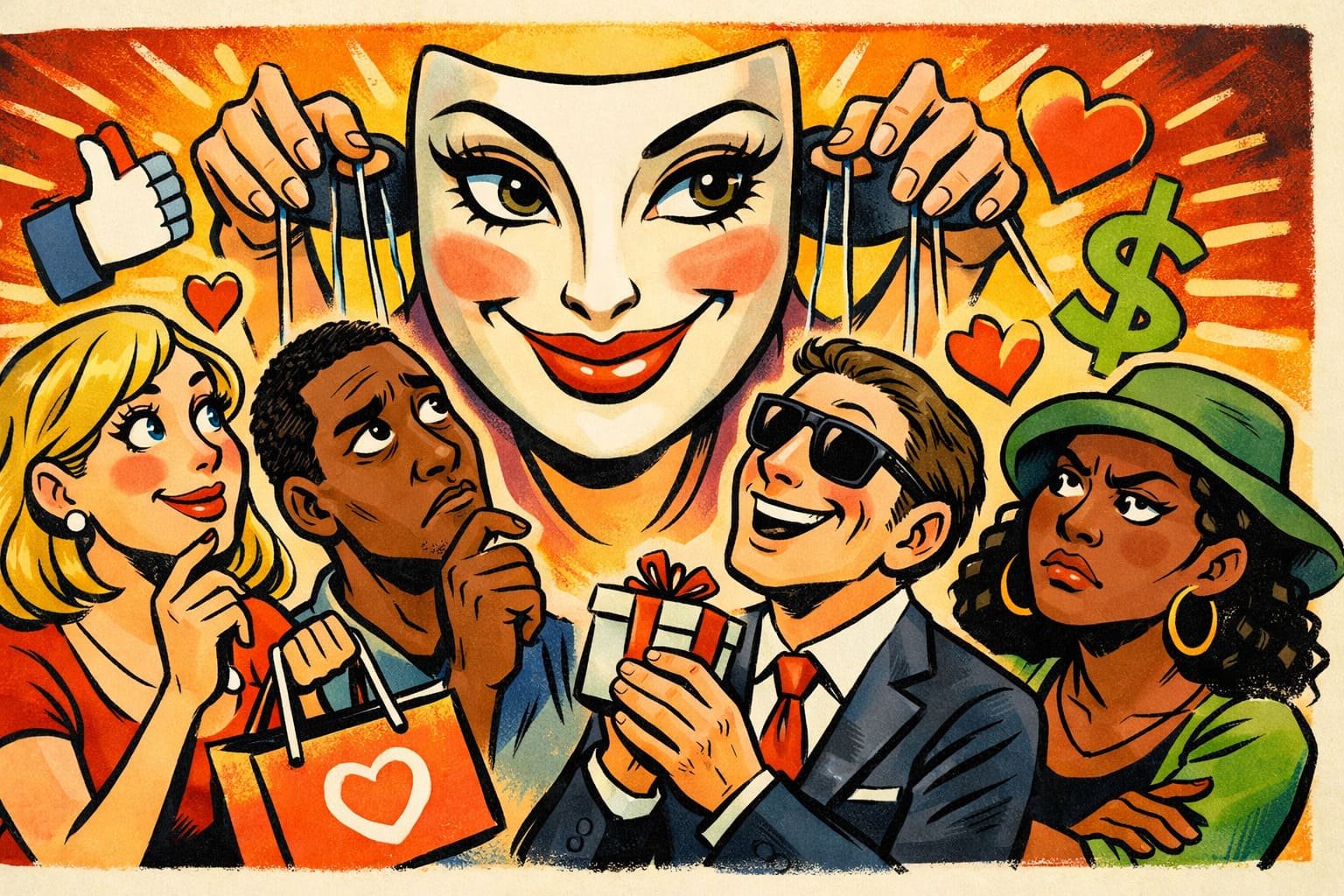
Candles flickered across a boutique hotel lobby where every scent, song, and smile felt perfectly choreographed without appearing rehearsed. Guests lingered longer than expected, convinced they had discovered a place that somehow understood them before introductions were complete. Warmth filled every corner, yet an invisible blueprint quietly guided each emotional cue. That paradox defines modern branding. Companies increasingly compete by engineering feelings so naturally that customers mistake carefully designed experiences for spontaneous human connection, making trust both commerce’s greatest achievement and its most persuasive illusion.
Successful brands rarely sell products alone because products can usually be copied. Emotional relationships prove far more difficult to imitate. Disney mastered this lesson decades ago by transforming ordinary vacations into lifelong family memories that extend well beyond rides and attractions. Airbnb followed a different path, encouraging travelers to believe they belonged wherever they stayed instead of merely renting accommodation. Stories matter. People often remember how a brand made them feel long after forgetting technical specifications, promotional discounts, or feature comparisons.
Isabella inherited a neighborhood bakery from her grandmother and assumed customers returned because the bread tasted exceptional. During renovations, she temporarily replaced familiar handwritten notes with sleek digital screens displaying polished promotional messages. Regular visitors complimented the modern design but stopped lingering over conversations with staff. Sales remained stable for a while before repeat visits quietly declined. She restored personal recipe cards, invited customers to share family traditions, and watched familiar faces return because emotional rituals had always been the bakery’s strongest ingredient.
Human beings rarely separate emotion from decision making as neatly as business textbooks suggest. Behavioral scientists have repeatedly shown that feelings shape judgment before logic begins organizing explanations. Luxury brands understand this instinct remarkably well. Rolex sells craftsmanship, yet ownership often symbolizes achievement, identity, and aspiration more than mechanical precision alone. Starbucks built global loyalty by making countless customers feel recognized through small rituals repeated every day. Tiny gestures accumulate. Familiar experiences gradually become emotional shortcuts that influence choices without demanding conscious analysis.
LEGO demonstrates another version of emotional branding by encouraging families to create stories together instead of merely assembling plastic bricks. That shared experience generates affection impossible to package inside instruction manuals alone. Mateo, founder of a boutique cycling company, nearly doubled his advertising budget before abandoning the plan entirely. Instead, he organized weekend rides where strangers repaired bicycles, exchanged travel stories, and laughed through unexpected rainstorms. Customers bought equipment afterward, not because they had been persuaded, but because genuine community quietly transformed interest into lasting confidence.
Firelight faded across empty chairs after conversations had ended, leaving only faint echoes where connection had briefly felt effortless. Every memorable brand leaves emotional fingerprints, yet those impressions become dangerous when carefully crafted intimacy replaces honest relationships. Artificial intelligence will soon refine emotional marketing with astonishing precision, predicting moods almost as confidently as purchasing habits. Still, one question refuses to disappear: when trust becomes another strategy, can anyone still recognize the moment when belief quietly turns into manipulation?
