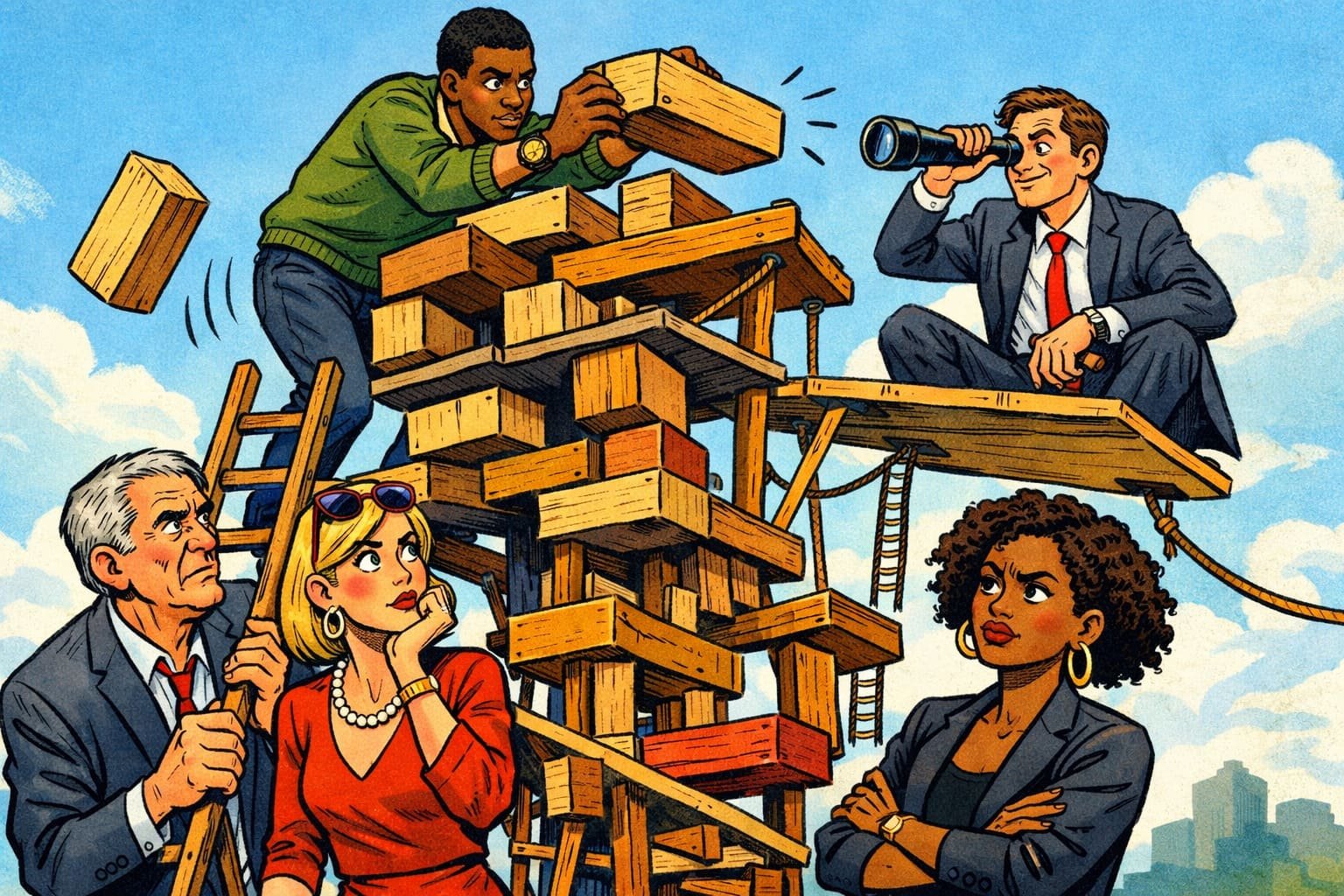
The family estate looked peaceful from the outside. Sunlight spilled across manicured gardens, employees greeted visitors with familiar smiles, and delivery trucks rolled through the gates without delay. Beneath that calm surface, another story was unfolding. The founder had built an extraordinary business, yet every conversation about the next generation ended with nervous laughter and changing the subject. Everyone assumed the future would somehow arrange itself. Businesses rarely reward assumptions. They reward preparation carried out long before urgency arrives.
Preparing heirs for leadership begins with changing one dangerous belief. Family membership is not the same as business readiness. A surname may open the front door, but it cannot command trust in the boardroom. Colleagues, customers, and investors watch how future leaders solve problems, respond to criticism, and inspire confidence during uncertainty. Those moments shape credibility far more than inheritance papers ever will. Respect grows through demonstrated competence, not family history.
Structure transforms succession from an emotional gamble into a disciplined process. Future leaders should rotate through departments, understand financial statements, work alongside frontline employees, and experience difficult operational decisions. Exposure builds perspective. Accountability builds maturity. Formal mentoring creates opportunities to ask difficult questions before real crises appear. Every lesson learned early becomes an expensive mistake avoided later. Strong organizations prepare heirs with the same rigor they would expect from any external executive candidate.
Ravi grew up hearing stories about the logistics company his grandparents had built from a single warehouse into a respected regional enterprise. When graduation arrived, relatives expected him to move directly into senior management. The chairperson refused. Ravi spent months loading trucks, negotiating supplier contracts, resolving customer complaints, and shadowing finance teams before leading a small division. At first he questioned the process. Years later he admitted those demanding experiences became the foundation of every confident decision he made.
Many respected family enterprises follow similar principles. BMW, influenced over generations by the Quandt family, demonstrates that lasting stewardship depends on governance, professional management, and long-term thinking rather than relying solely on family relationships. The lesson extends far beyond one company. Businesses remain resilient when heirs are expected to meet high standards instead of receiving automatic authority because of their lineage.
Emotional intelligence deserves equal attention during succession planning. Future leaders inherit more than financial assets. They inherit relationships, traditions, expectations, and unresolved tensions that may have developed over decades. Learning to listen with patience often proves more valuable than making quick decisions. Employees remember how leaders treated people during difficult conversations long after they forget impressive presentations. Trust grows slowly, yet it compounds like any worthwhile investment when handled with consistency and humility.
Preparing heirs also requires founders to release control gradually. That step often feels harder than teaching financial strategy or operational excellence. Many founders built the company through relentless personal sacrifice, making delegation emotionally uncomfortable. Yet every decision withheld delays the growth of the next generation. Structured responsibility allows heirs to develop judgment while experienced leaders remain available as mentors instead of permanent decision makers. The business becomes stronger because leadership expands rather than concentrates.
The greatest inheritance a founder can leave is not wealth alone. It is a generation equipped to protect opportunity with wisdom, discipline, and courage. Buildings eventually age, technology evolves, and markets shift without warning. Character, preparation, and sound governance endure through every season of change. The future quietly favors families that treat succession as the beginning of another remarkable chapter instead of the final page of a remarkable story. That is how enduring legacies continue to grow across generations.
