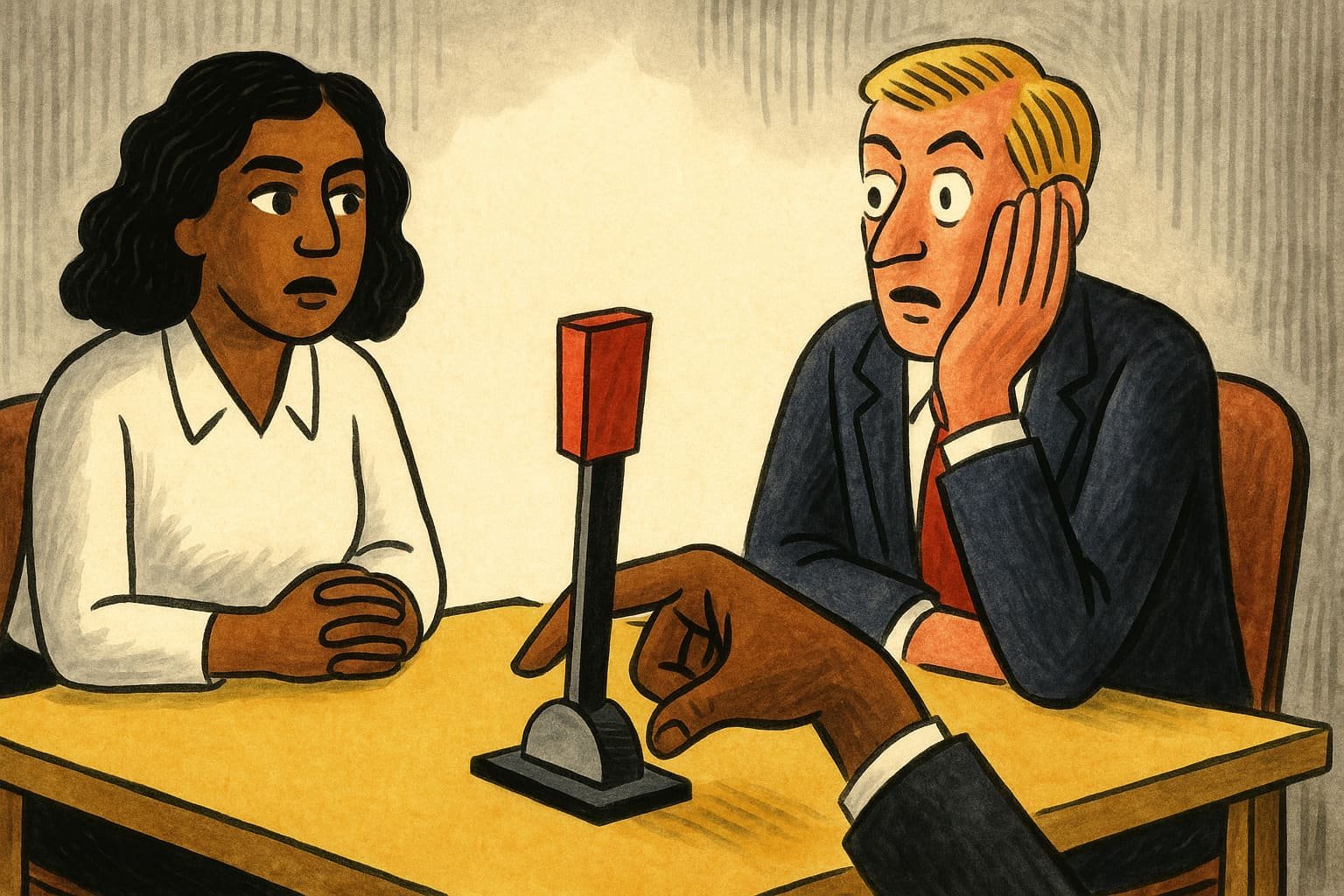
Beneath the feverish lights of a midnight office, a marketer slips through a maze of glass partitions. Out on the city’s edge, billboards flicker, but inside, the real campaigns unfold in invisible waves. Every keystroke is a calculated nudge. Each color palette is a whispered promise. Even the silence between two notifications can tip a decision. There, in the quiet, unseen corners, power changes hands. Nobody claps. Yet the world shifts.
In today’s marketplace, the loudest voices rarely win. It is the subtle signals—those overlooked cues, micro-habits, and quiet narratives—that guide choices and shape entire destinies. A single overlooked tweet redefines a brand overnight. The absence of an email on a Monday morning sparks more curiosity than any Super Bowl ad. This isn’t luck, and it’s far from accidental. Behind every viral trend, silent architects wield ancient persuasion mixed with new algorithms.
Jasmine Torres, a once-unknown campaign manager, tells her story with a crooked grin: “Nobody saw me work, but my inbox made CEOs panic.” Her biggest win? An abandoned cart email, sent at precisely 2:01 a.m., which revived a slumping product and birthed a cult following. Real power, it turns out, feels like a soft breeze that flips an entire chessboard. When marketing works best, the audience feels as if they made up their own minds.
Shoppers, scrollers, and C-suites all live inside a world engineered by invisible touch. Each time you reach for a new flavor of soda, the ghosts of a thousand A/B tests hover at your elbow. Every emoji you see in a headline started as a theory in a war room, then drifted, unannounced, into your daily lexicon. “Persuasion is quiet hypnosis,” quips Theo Lin, founder of Mindwave Labs. “If you notice it, it’s already failed.” It’s a secret ballet. Blink, and the whole room changes.
Here, you become the protagonist. You sense the tension but cannot name its source. The stakes are high, and the path is unclear. This is not just marketing. This is the power to rewrite the script. Are you watching closely? Because as you read, the silent moves are already working on you.
Quick Notes
- The Power of Invisible Persuasion: The loudest campaigns rarely drive real change. It’s the quiet, well-timed gestures—a late-night email, a gentle shift in brand colors—that transform opinions and open wallets. Subtlety creates loyalty. Miss it, and you chase trends instead of making them.
- Everyday Hypnosis: Most people don’t realize how deeply their choices are shaped by invisible cues. A micro-story from a forgotten sales team or a hidden message in a viral TikTok can turn average customers into evangelists. The most powerful persuasion feels like your own idea.
- Digital Shadows, Lasting Impact: Silent moves in digital marketing create the biggest ripples. From TikTok trends to a single unanswered message, small signals can crush competitors before they even know there’s a battle. Data and psychology now merge, turning digital footprints into goldmines.
- Contrarian Playbook: True masters of persuasion break the rules. They lean into silence, use uncertainty, and sometimes vanish just to create demand. Big brands get lazy with noise. The next marketing legend will be the one who dares to disappear at the perfect moment.
- The Human Factor: Authenticity isn’t a buzzword, it’s a weapon. Real stories, genuine mistakes, and messy details connect deeper than any algorithm. If your message reads like a confession or feels like a midnight secret, you’ll win trust before your competition even understands the game.
Ghosts in the Machine—The Science of Unseen Persuasion
Persuasion wears a thousand disguises, but the most powerful one is invisibility. In a world bombarded by ads and opinions, people have learned to mute the noise, but the signals still seep through the cracks. A well-placed word on a landing page or a faint chime from a forgotten app can redirect whole streams of attention. Hidden levers are everywhere, moving markets and minds with barely a whisper.
Jasper Monroe, a digital strategist known for orchestrating viral charity drives, credits his success to the “zero pixel nudge”—the tiny changes you never see. He recalls a midnight redesign that replaced a blue button with forest green. Donations doubled overnight. “No one mentioned the color,” Jasper laughs, “but every donor said the site felt safer.” Behind the scenes, persuasion thrives in shadow.
The playbook isn’t new. Ancient storytellers used negative space to pull listeners in. Modern marketers manipulate empty air, making users lean forward, searching for what’s missing. This anticipation is addictive. It’s why unread notifications haunt our thoughts and why empty shelves create panic buys. Silence is not the absence of strategy, but its climax.
Real power in marketing never looks like power. It feels like comfort or curiosity or even a friendly nudge from a trusted friend. Customers follow invisible breadcrumbs. Even a forgotten typo, left untouched, can spark a myth. The greatest campaigns work best when nobody remembers how they started, just that they suddenly cared.
Tech companies mastered this with interface design. Each color, gap, and word is intentional. Yet, what isn’t there can often be louder than what is. A case in point: after Netflix quietly tweaked their ‘continue watching’ row to surface unfinished series at night, viewer engagement soared. Nobody noticed the change. That’s the magic: persuasion happens in the pause, not the pitch.
Micro-Moves, Massive Shifts—Everyday Hypnosis at Work
Every consumer dances through invisible webs of influence. The most persuasive moves don’t shout; they slip by in silence. You’ve clicked “add to cart” at midnight, not realizing your craving was seeded by a story in your Instagram feed three days earlier. These micro-moves—tiny, persistent cues—guide behavior before logic wakes up.
Maria, a rookie content writer at a fast-growing skincare brand, once posted a customer’s “before and after” photo in an offhand way. She didn’t use sales language. She simply shared a text: “Didn’t believe it could work, but here’s proof.” Within hours, orders surged, and the hashtag trended. The lesson stuck. Real persuasion often feels like a friend letting you in on a secret.
This style of influence is everywhere in digital marketing. A single GIF in a newsletter, a subtle tone shift in a Facebook reply, a product name dropped in a meme—these all work like seeds. The more organic and unexpected, the better. When people feel like they’ve discovered something, they defend it fiercely. It’s a subtle kind of hypnosis.
Platforms like TikTok and Twitter amplify these moves. Trends spark not from choreographed campaigns, but from raw, human moments. The accidental video, the unscripted comment, the blurry screenshot—these are the new power brokers. It’s the illusion of authenticity that pulls followers deeper, making them feel they found the signal in the static.
Skeptics dismiss the idea. Yet every viral moment, from the blue-and-black dress debate to the spread of “OK Boomer,” started with a whisper, not a roar. Marketers who master this everyday hypnosis don’t just sell—they start movements. You feel the tug, but you never see the strings.
Digital Shadows—Turning Silent Moves into Viral Dominance
Winning in today’s market demands more than just attention. It means knowing when to step back, letting silence do the heavy lifting. The most successful brands play chess while others chase checkers. Each quiet move—each withheld message, each delayed launch—can tip an entire industry.
Tommi Kwan, once an engineer at a fintech startup, remembers the power of the “silent drop.” The team released a feature without announcement, just a small, almost invisible icon in the corner. Three days later, industry blogs buzzed, competitors scrambled, and users treated it like buried treasure. “Sometimes, the best launch is no launch at all,” Tommi notes, grinning.
Digital marketing thrives on anticipation. When audiences sense something new, but can’t quite see it, engagement skyrockets. Apple’s cryptic event invites and Supreme’s surprise product drops turn uncertainty into FOMO. The digital age rewards brands that leave breadcrumbs, not billboards. Let customers become detectives, and they will stay loyal long after the sale.
This approach flips the script. Instead of chasing likes and shares, the best marketers cultivate curiosity. They design scarcity and let users write the story. Netflix’s “skip intro” button became iconic not because of its design, but because people felt in control. Giving away power, paradoxically, keeps audiences coming back.
Authentic connection wins. When you create space for the audience to lean in, you become more than a brand—you become a phenomenon. In the shadows, your influence multiplies. You become the architect of demand, not just a participant in the noise.
The Contrarian’s Code—Breaking the Rules for Lasting Impact
The new masters of marketing don’t follow blueprints; they tear them up. In a world saturated with advice, doing the opposite has become the ultimate strategy. Noise is everywhere, but silence is rare and priceless. The best campaigns often look like accidents or even failures—at first.
Elaine Barker, a consultant who revived dying retail chains, found success by letting some stores “go dark” for weeks. No updates, no promotions, no explanations. When the doors finally reopened, customers flooded in, desperate for a glimpse of the unknown. “We made absence an event,” Elaine recalls. The void became the message.
Unpredictability is the contrarian’s secret weapon. Forget consistency. Instead, leave gaps, vanish for a season, or break your own rules. Audiences crave a break from sameness. When something feels too familiar, they scroll on. The unexpected move—a sudden price hike, an unannounced closure, or a reversed logo—sparks conversation and drives traffic.
Pop culture is packed with contrarian case studies. Remember the viral rise of Crocs? Initially mocked, their ugly-duckling campaign leaned into the ridicule, then partnered with fashion icons. By breaking every rule of luxury branding, they became the talk of the industry. Flipping the script creates cult status.
Contrarians understand a core truth: people want what they can’t have, and they believe what feels forbidden. If your competitors are shouting, whisper. If they’re open, close the door. The silent move always holds the most shock value. Impact comes not from being seen, but from being missed.
The Human Signal—Authenticity as the Ultimate Persuasion
At the heart of every legendary campaign lies an uncomfortable truth: real persuasion isn’t about manipulation; it’s about resonance. The most powerful moves connect because they feel raw, flawed, and human. When stories come from real pain, strange joy, or honest struggle, people lean in.
Theo, a bakery owner in Lisbon, learned this firsthand. After his shop’s oven broke down, he shared a late-night photo of burnt loaves with the caption, “Tonight was rough, but tomorrow’s bread will be honest.” The next morning, the line stretched around the block. Failure became his brand’s heartbeat, and honesty baked trust deeper than any slogan.
In a digital age filled with polished facades, authenticity becomes magnetic. The more perfect your pitch, the less people believe it. Messy details and real vulnerability draw audiences closer. A botched launch or public apology, handled with humility, can earn more loyalty than the most expensive campaign.
Psychology backs this up. People don’t trust brands—they trust people. Micro-stories, confessions, even minor stumbles turn companies into friends. Netflix’s infamous “Qwikster” debacle is now a case study in corporate humility. Instead of hiding, they leaned in, admitted the mistake, and kept millions of fans.
Everywhere you look, the brands that last are those that bleed a little. They answer critics, share weird moments, and embrace imperfection. The true art of persuasion isn’t in hiding your flaws—it’s making them unforgettable. In a world of endless noise, the quietest signal always comes from the heart.
When the Lights Fade—Revelation in the Silence
Outside the glow of screens, as city lights blur and offices empty, a single window stays lit. Inside, a campaign manager pauses, listening to the hum of forgotten computers. She remembers the choices she made—the quiet email, the missing post, the story told in broken lines. Every result shocks, not because of noise, but because of how little was said.
In the dim stillness, the world waits, uncertain but alert. Old tactics echo and fade. The real magic hums beneath, untouched by trend-chasing or noise. Each silent move reverberates, long after the campaign ends. Like an orchestra conductor holding the audience with a raised hand, suspense itself becomes the message.
A founder sits by an empty coffee cup, thinking of vanished competitors. The ones who shouted the loudest left first. Those who learned to disappear remain, their legend growing with every silent move. The quiet, imperfect story always lingers in memory.
Trust isn’t built with volume, but with vulnerability. Power doesn’t scream; it waits, watches, and strikes where nobody looks. In the end, the last word belongs to those who let others fill in the blanks. The future is written in the gaps, the pauses, and the unspoken truths.
You will realize the most shocking results always begin as silent moves you never saw coming.