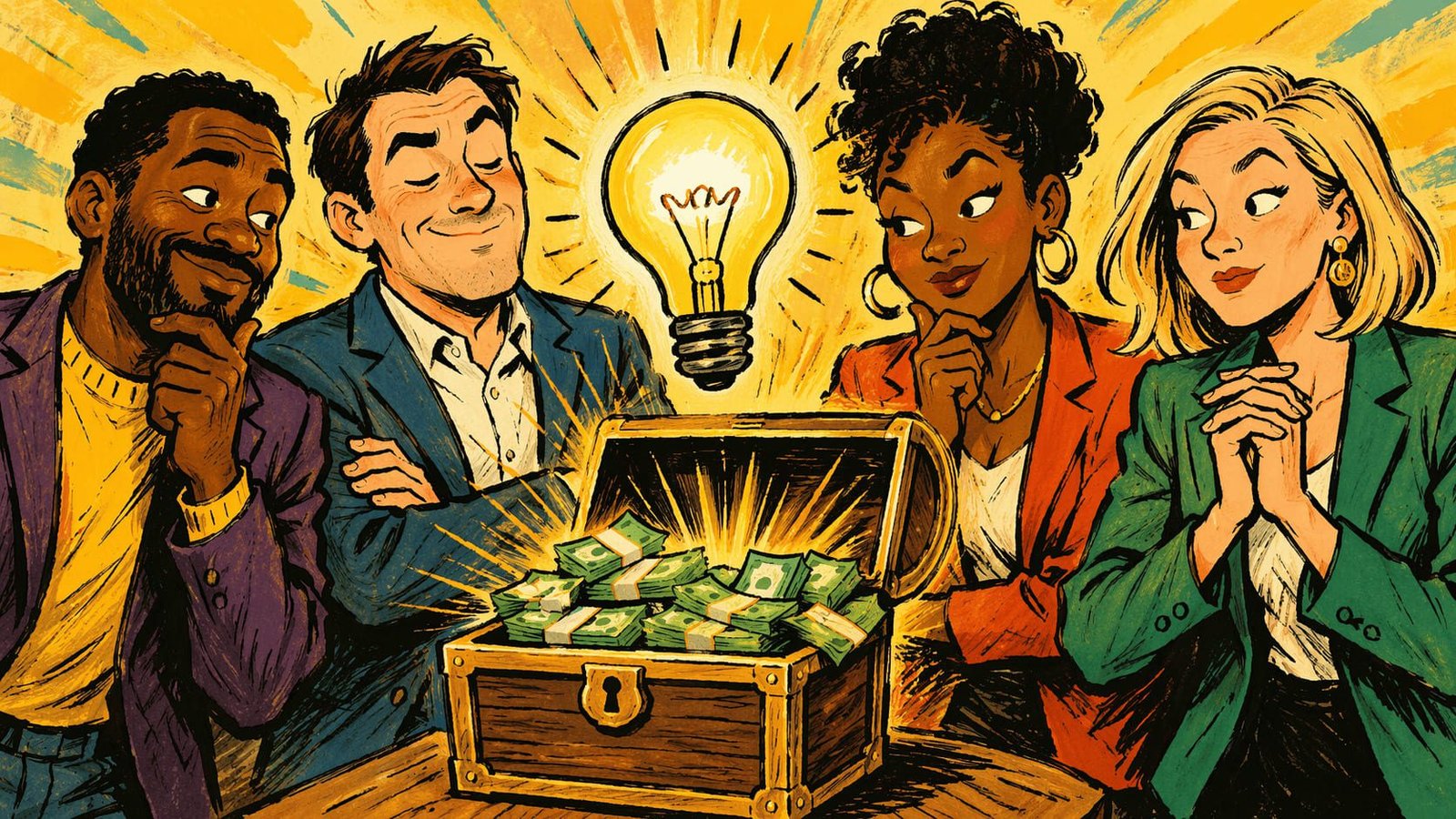
Purple paint peeled from a forgotten billboard overlooking a crowded highway, yet one faded slogan still caught passing eyes while brighter advertisements dissolved into background noise. Attention behaves unfairly. Consumers rarely reward whoever shouts loudest. They remember whoever means something. Every marketplace quietly conducts that ruthless experiment each day, separating businesses with recognizable identities from those trapped in endless price wars. Money follows memory more faithfully than marketing budgets, and memorable brands become difficult to replace once trust settles into habit.
Entrepreneurs often mistake branding for logos, colors, or polished websites. Those details matter, but they are only visible expressions of a deeper promise. Nike never built loyalty around shoes alone. Patagonia never attracted devoted customers through jackets alone. Each brand offered belonging, identity, and shared values that extended beyond individual products. Strong businesses stop asking, “What are we selling?” and begin asking, “What belief are customers buying whenever they choose us instead of everyone else?”
A bakery owner named Celia discovered this lesson after years of competing through discounts that barely covered costs. Every promotion attracted bargain hunters who disappeared once prices returned to normal. Frustrated, she rebuilt her business around neighborhood traditions, handwritten recipe cards, and community baking classes. Families returned for stories as much as bread. Across town, another bakery invested heavily in advertising while constantly changing its message. Customers remembered promotions. They forgot the business behind them.
Marketing professor David Aaker has long argued that brand equity creates durable competitive advantage because trust lowers decision fatigue. Apple illustrates that principle repeatedly. Customers expect thoughtful design before opening every package because years of consistent delivery shaped those expectations. LEGO achieved similar resilience by protecting creativity as its central promise across generations. Great brands reduce uncertainty. Buyers feel they already know tomorrow’s experience because yesterday consistently honored today’s expectations. That confidence quietly becomes economic power.
An old leather wallet carried by a retired shopkeeper tells an unexpected business story. Inside rested faded customer notes instead of expensive business cards. Every scribbled reminder captured birthdays, favorite purchases, or family milestones remembered without software. “People return where they feel recognized,” he once smiled. Digital tools accelerate communication, but genuine recognition remains stubbornly human. Brand loyalty rarely begins with advertising brilliance. It grows through countless ordinary moments handled with uncommon care and remarkable consistency.
Ink lingered on fingertips long after handwritten promises filled another page, refusing to disappear with hurried washing. Enduring brands leave similar marks across markets and memories alike. Entrepreneurs chasing sustainable wealth eventually discover that products generate transactions while trusted identities generate relationships. Competitors can imitate features, pricing, even technology. Authentic reputation resists duplication because it grows through years of disciplined choices rather than clever campaigns. Build a brand people would miss tomorrow, and revenue will have stronger reasons to stay today.
