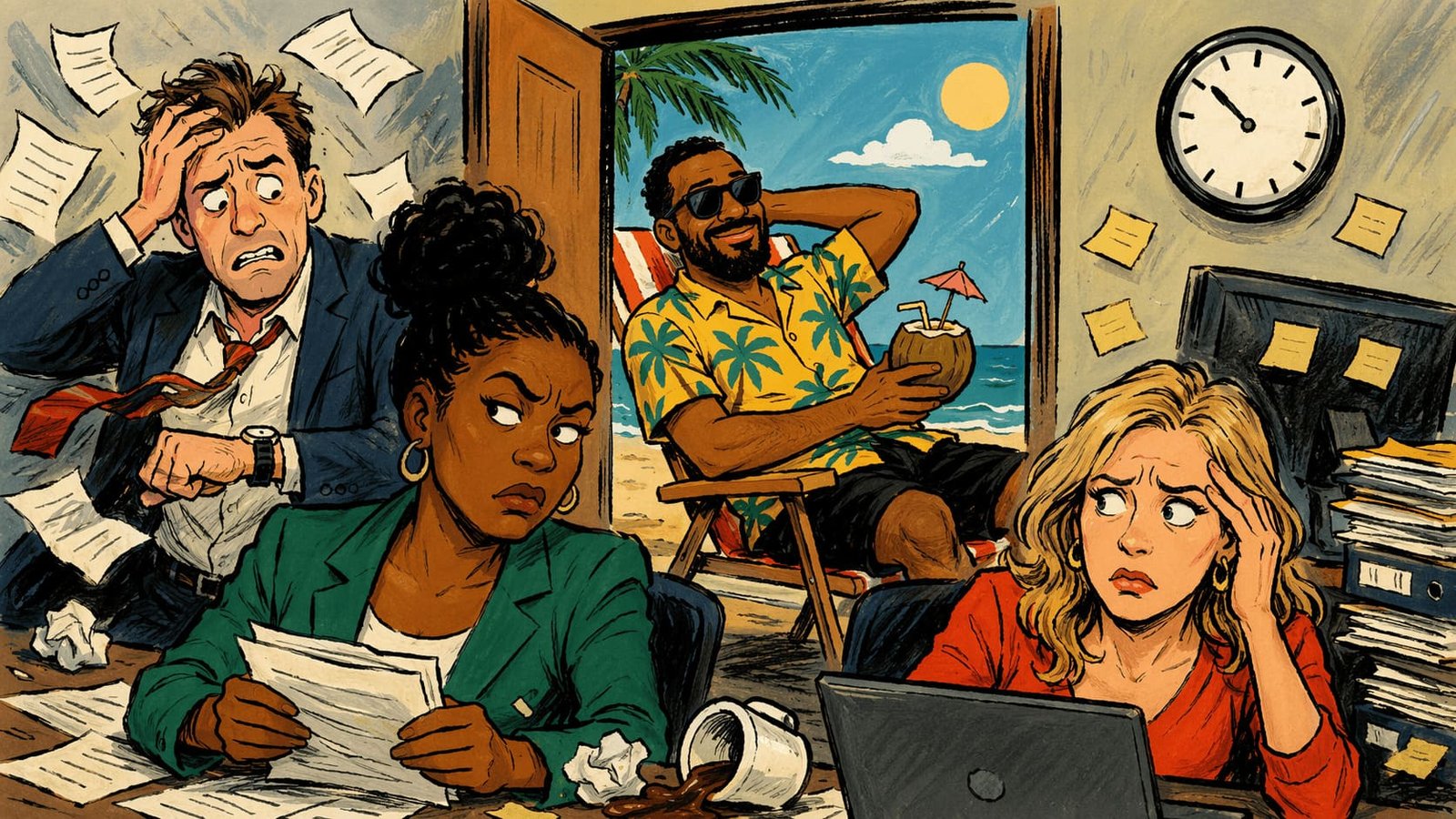
Emergency lights flickered across an empty manufacturing floor while unanswered phones kept ringing in distant offices. Nobody shouted. That made everything stranger. Employees exchanged uncertain glances, watching leaders contradict themselves with every hurried meeting, every rewritten priority, every desperate promise. Chaos rarely enters wearing heavy boots. It slips quietly through executive doors disguised as confidence, then spreads from conference rooms into customer relationships, supplier trust, and workplace morale before anyone admits the organization has lost its direction.
Businesses rarely collapse because markets become impossible overnight. They weaken when leadership confusion infects daily decisions. During Starbucks’ difficult years, Howard Schultz returned not simply to cut costs but to restore clarity around customer experience and company culture. Clear priorities replaced scattered initiatives. Contrast that with organizations where executives chase every trend simultaneously, leaving employees exhausted and customers uncertain about what the company actually represents. Strategy without consistency becomes expensive theater rather than meaningful leadership.
Elena inherited a regional food distributor after its charismatic founder retired unexpectedly. Every department demanded immediate attention, while conflicting advice arrived faster than invoices. One veteran manager urged aggressive expansion. Another insisted on painful downsizing. Elena paused instead, spending weeks listening to warehouse teams, drivers, and long-standing customers before making significant changes. Revenue stabilized because decisions reflected operational reality rather than executive panic. Oddly enough, patience became her fastest competitive advantage during overwhelming uncertainty.
Corporate history repeatedly rewards leaders who simplify before they amplify. Andy Grove guided Intel through painful strategic choices by confronting uncomfortable truths instead of protecting outdated assumptions. His famous reminder that “only the paranoid survive” was never an invitation to fear. It encouraged disciplined awareness. Microsoft experienced renewed momentum after Satya Nadella reshaped culture around learning rather than internal competition. Strong leadership does not eliminate uncertainty. It prevents uncertainty from becoming organizational identity.
A forgotten lighthouse standing along a rugged coastline offers an unexpected lesson about management. Sailors never admired its architecture while storms raged. They valued dependable guidance. Organizations crave identical stability. Employees forgive difficult circumstances more easily than inconsistent direction. During one tense board discussion, operations director Kamal quietly remarked, “People can survive bad news. They struggle with changing stories.” Conversation stopped. That simple observation revealed why confused communication quietly destroys stronger companies than declining sales ever could.
Ash settled gently across an extinguished campfire while travelers prepared another journey before daylight returned. Wise leaders understand every crisis leaves traces worth studying instead of hiding. Businesses survive turbulent seasons when courage is matched by discipline, humility, and unwavering clarity of purpose. Markets eventually reward organizations that replace frantic reactions with thoughtful decisions rooted in reality. Leadership is never measured when everything works perfectly. It is measured when everyone else begins forgetting where hope still lives.
