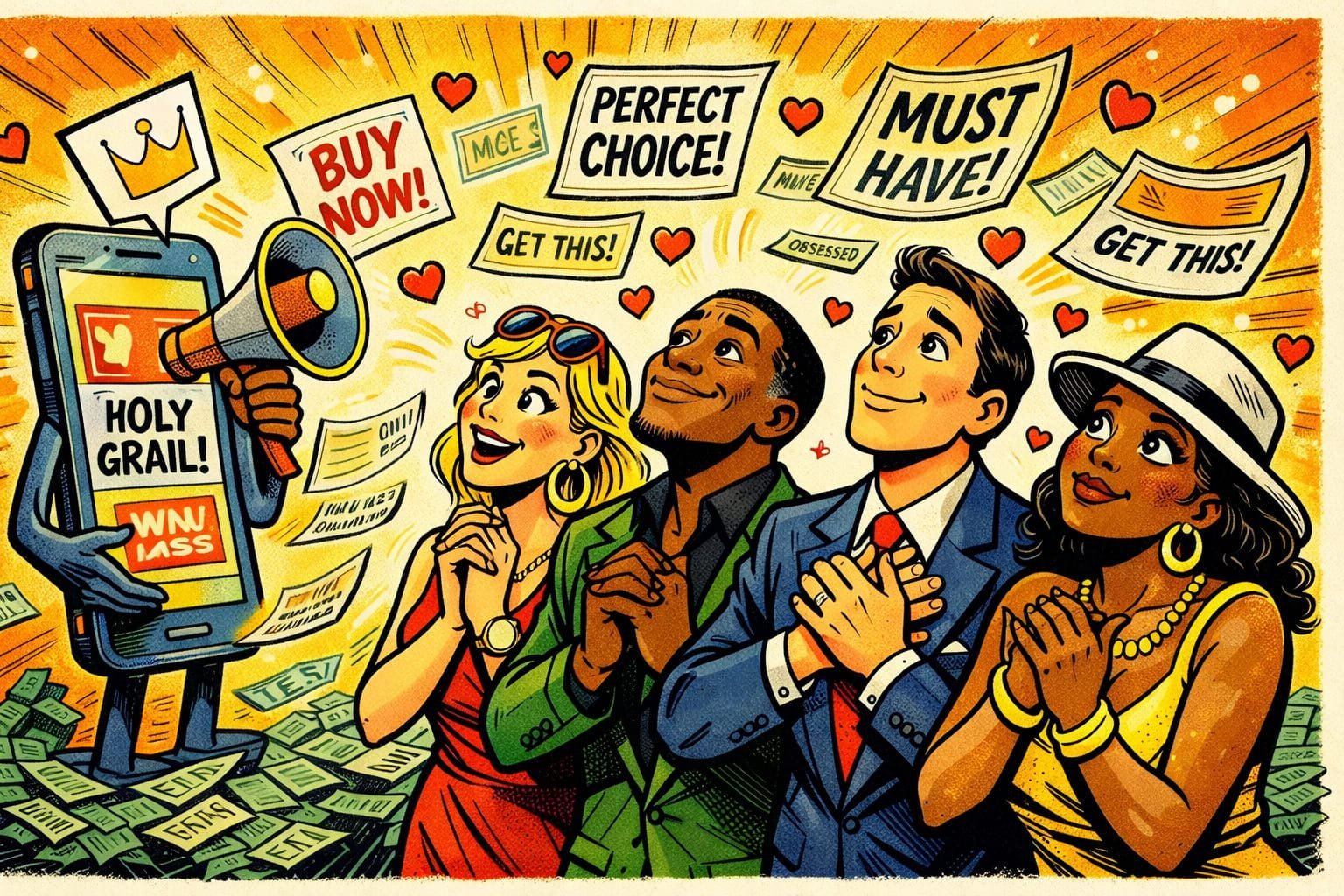
Rain tapped against café windows while conversations drifted from politics to football to whichever brand everyone suddenly seemed unable to stop mentioning. Nobody discussed product specifications. Nobody compared technical features. They repeated phrases, quoted taglines, and smiled at memories carefully planted by words written months earlier inside anonymous meeting rooms. That quiet exchange revealed a truth many boardrooms still underestimate. Copy does not merely describe a brand. Done brilliantly, it reshapes perception until customers begin telling the story on the company’s behalf.
Marketing departments often obsess over visuals while treating language as decoration. Yet words decide whether a product feels premium, ordinary, rebellious, or forgettable before design finishes speaking. Cognitive psychology offers a useful explanation. People rarely buy facts first. They buy meaning, then gather evidence to justify emotional decisions afterward. Great copy respects that sequence. Every sentence becomes less about explaining value and more about helping readers recognize themselves inside the promise a brand quietly extends.
Luxury brands understand this instinct almost instinctively. Rolex seldom advertises watches as collections of gears and polished steel. Instead, every line suggests achievement carried across generations. Dove chose another route through its long-running conversations about real beauty, shifting attention from cosmetics toward confidence. Mira Patel learned this while rebuilding her family’s tea business after disappointing holiday sales. She replaced elegant but empty descriptions with stories about evenings shared across crowded kitchen tables, and loyal customers began recommending those blends like treasured family traditions.
An odd detail deserves attention. People often remember a single movie quote long after forgetting the entire plot. Language leaves fingerprints inside memory because rhythm, emotion, and repetition travel together. During a product launch, software founder Elias Moreno rejected clever headlines celebrating technical performance. One sentence remained on the whiteboard instead. “Your team deserves fewer apologies.” Prospective clients immediately understood the emotional reward hidden behind countless engineering features, proving clarity often outperforms creativity pretending to be intelligence.
Legendary copywriters understood this decades before digital marketing existed. David Ogilvy insisted consumers were intelligent people rather than anonymous targets, a principle many brands still ignore while chasing algorithms. Mailchimp built a distinctive personality through approachable language that removed intimidation from business communication. Every interaction sounded helpful instead of impressive. Brand devotion grows through accumulated trust rather than isolated campaigns. Consistent voice teaches audiences what kind of relationship they should expect before customer service ever answers a question.
Inside another bustling café, fresh conversations rise without invitations, carrying familiar phrases between strangers who never notice marketing quietly guiding ordinary language. Strong copy rarely announces its influence because genuine persuasion prefers invisibility over applause. Brands earning lasting devotion understand that every sentence either strengthens identity or quietly weakens it. That choice appears deceptively small until years later when customers defend a company with words they believe became entirely their own. Ask yourself which sentences people would still remember after forgetting everything else.
