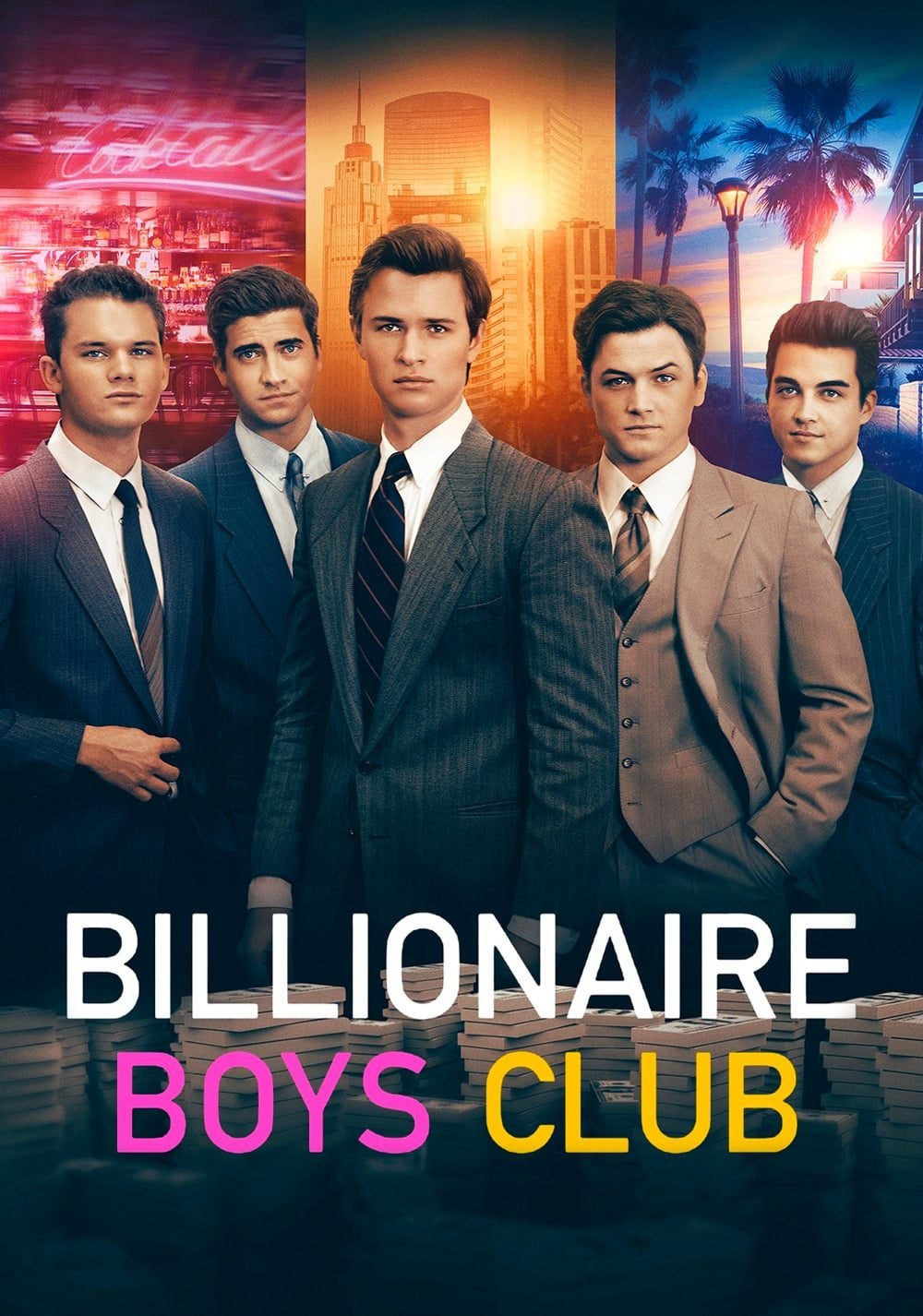
Imagine stepping into a world where luxury is both a weapon and a trap, ambition is turbocharged, and every friendship might cost your future. That’s the magnetic pull of Billionaire Boys Club (2018), a film that takes the viewer on a champagne-fueled journey through the underbelly of Los Angeles’ social elite. Based on the true story of a club of wealthy young men hungry for power and recognition, this movie wraps you in silk sheets before flipping the bed and shaking you awake. Greed isn’t just a theme; it’s the oxygen in every scene.
Every decade spawns its cautionary tales, but few unfold with the glossy confidence and tragic consequences depicted here. The film opens in a rush of tailored suits and fast cars, a tableau that will feel instantly familiar to anyone who’s ever dreamed of skipping the slow climb and seizing a shortcut to the top. With Hollywood’s heartthrobs Ansel Elgort and Taron Egerton leading the charge, the story moves fast and dangerous, peppered with bravado and betrayal. It’s not just a “rich kids gone wild” story: beneath the surface, the narrative asks razor-sharp questions about what we worship in modern society.
The atmosphere is electric from the opening credits. Club members are depicted as visionaries, rebels, and entrepreneurs, pitching their schemes with bravado, dazzling investors, and bending truth to their will. What makes the ride so captivating is the uneasy mix of admiration and revulsion their actions inspire. The film seduces you, then leaves you to pick up the pieces as the walls start closing in. Viewers are lured into cheering for the protagonists, even as every decision tightens the noose around their necks.
Visually, the film delivers pure spectacle: glitzy parties, roaring Porsches, decadent penthouses, and sharp, elegant costuming. It seduces the audience, pulling us into a fantasy that only unravels when the cracks in the marble begin to spread. But the sheen is an illusion, masking a deeper rot. The movie never lets you forget that behind every dazzling deal is a layer of desperation. This isn’t just the story of a financial scandal; it’s a psychological thriller wrapped in a velvet rope.
The magic of Billionaire Boys Club lies in its ability to transform a historical crime story into a universal fable about ambition, manipulation, and the lengths people will go for respect and recognition. It’s a cinematic invitation to sit ringside as hope turns to horror, and to witness just how far the human spirit can stretch before it snaps. As the credits roll, the echoes of these cautionary choices linger, challenging each viewer to reconsider what real success means.

Quick Notes
- Inspired by the real-life 1980s financial fraud ring led by Joe Hunt, the movie exposes the underbelly of privilege, risk, and hubris in Los Angeles’ wealthiest circles.
- Stellar performances from Ansel Elgort, Taron Egerton, and Kevin Spacey drive the narrative with magnetic, unsettling energy.
- Explores timeless themes: the price of ambition, the dangers of blind trust, and the devastating ripple effects of unchecked greed.
- Combines the allure of luxury lifestyles with the gritty suspense of a true crime thriller, creating an unforgettable roller-coaster viewing experience.
- Serves up critical lessons for modern audiences about the seductive dangers of shortcuts, charismatic leaders, and the hidden costs of chasing wealth at any cost.
Temptation, Betrayal, and the Unraveling Dream
Billionaire Boys Club traces the audacious rise and catastrophic fall of Joe Hunt and his ambitious circle of friends. The film plunges the audience straight into the heart of 1980s Los Angeles, where the right connections open any door. Hunt, a bright, ambitious outsider, crafts a bold plan: bring together privileged young men, pool their family fortunes, and multiply it through high-stakes investments. The club’s name isn’t just branding; it’s an aspiration, a promise to its members that they’ll ascend to the highest echelons of society.
Joe’s vision gains momentum quickly. Prospective members, many from old-money families, are seduced by his confidence and intellect. Dean Karny, Hunt’s right-hand man, finds himself drawn deeper into the operation, both enthralled and anxious about the direction things are heading. Together, the group dazzles wealthy investors with grand promises, creating a self-fulfilling prophecy where belief becomes currency. Early successes fuel their bravado, leading to even bolder gambles.
As the group’s wealth grows, so does the web of lies required to sustain it. Promises are made with no intention of fulfillment, and the need for fresh capital becomes an addiction. The boys, now men, are increasingly forced to balance on the edge of legality. Lavish parties and expensive toys become the norm, serving both as rewards and distractions from the reality closing in around them. The stakes spiral higher, turning once-loyal friends into wary conspirators.
Pressure mounts as deals start to unravel. The film ratchets up the suspense when a key investor, Ron Levin (played with chilling bravado by Kevin Spacey), threatens to expose the operation. Paranoia sets in, trust dissolves, and the very bonds that built the club become weapons in a desperate struggle for survival. Every decision becomes a potential betrayal; every night, the walls inch closer. The movie paints a portrait of moral erosion so subtle, most characters don’t realize how far they’ve fallen until it’s far too late.
The final act delivers gut-wrenching drama and sobering clarity. The club’s empire collapses amid criminal charges, murder, and shattered friendships. Dreams of glory turn to nightmares of guilt and prison bars. What started as a glittering quest for respect and power ends in infamy. In one brutal stroke, the film asks its audience: how much would you risk for the chance to belong? By the closing scene, it’s clear that every shortcut carries a price, and some debts can never be repaid.
Key Lessons and Insights to Learn from the Movie
Seduction by easy money is an ancient trap, but the stakes are higher than ever in a culture obsessed with instant gratification. The story’s greatest power lies in its dissection of how ambition, left unchecked, mutates into something corrosive. Pursuing wealth without a grounding in values can transform dreamers into destroyers. Audiences are shown in real time how justifying one small compromise leads to another, until the original goal is lost in a tangle of lies.
Friendship, when entwined with money and ambition, takes on a double-edged quality. The film’s most poignant moments are those that highlight loyalty twisted by greed. The club’s members want to believe in each other, but every partnership becomes a contest of self-preservation. Real-world parallels abound: countless startups, business partnerships, and investment clubs have fractured when trust gave way to self-interest. The movie offers a visceral warning to anyone tempted to blur the line between friendship and business.
Leadership charisma can be intoxicating, but it’s never a substitute for substance. Joe Hunt’s force of personality drives the club forward, convincing even skeptics to follow. His confidence and vision create momentum, but they also mask flaws and breed groupthink. This dynamic appears in corporate boardrooms and political movements worldwide, where followers suspend skepticism in the glow of a powerful personality. Audiences are challenged to question not just who leads, but why they deserve to.
Risk-taking sits at the heart of every major success story, but this film exposes the razor’s edge between boldness and recklessness. The boys’ willingness to push boundaries propels them upward, but without checks and accountability, those same traits lead to their downfall. The movie invites viewers to reflect on their own ambitions: where is the line between innovation and disaster? Many entrepreneurs, from Silicon Valley to Wall Street, have fallen victim to their own hubris, learning only too late that every gamble comes with consequences.
Ethical compromise, even in small doses, never ends well. Billionaire Boys Club refuses to offer easy redemption for its protagonists, showing that rationalizations and justifications only deepen the hole. Viewers are left with a sobering reminder that true success is built on integrity, and the fastest routes often lead off a cliff. The story becomes a mirror for anyone standing at the crossroads of ambition and conscience, urging them to choose the hard right over the easy wrong.
Fame, Fortune, and the Mirage of the Fast Lane
Few films capture the glittering heights and perilous depths of modern ambition as vividly as Billionaire Boys Club. The movie peels back the velvet curtain on a world most will only glimpse from afar, inviting the audience to savor the thrill of the chase and then recoil at the inevitable price. Every shot, every conversation, pulses with the tension of wanting more and fearing what more will cost. Watching these characters climb higher, knowing the ground beneath them is cracked, creates a gripping sense of unease.
What lingers after the credits isn’t just the scandal or the headlines but the universal hunger for meaning and validation. The club’s meteoric rise and catastrophic fall mirror real-life stories from history: Enron’s collapse, the Theranos fiasco, Bernie Madoff’s unraveling. Each one started with a dream, fueled by bold promises, only to be brought down by human flaws. The film forces us to reckon with our own ambitions, asking how far we’d go for a shot at glory, and reminding us of the thin line between risk and ruin.
For anyone drawn to the worlds of entrepreneurship, investment, or leadership, the film serves as both a warning and a lesson. Real-life case studies echo throughout the narrative: the early dot-com bubble’s rapid rise and crash, hedge fund managers losing billions overnight, or charismatic founders who talked investors out of fortunes only to lose it all. These tales aren’t just cautionary—they’re reminders that every headline hides a story of choices, character, and consequences.
Emotionally, the movie delivers a punch that resonates long after the final scene. The glamour and excitement are undercut by a haunting sense of waste: wasted talent, wasted trust, wasted opportunity. You’ll find yourself thinking about the friends you trust, the risks you’ve taken, and the shortcuts you’ve considered. There’s a magnetic pull to both the dream and the warning at its heart. The ending refuses to let you off easy; instead, it invites you to take stock of what matters most and to question the illusions you chase.
Ultimately, Billionaire Boys Club isn’t just a film about financial fraud. It’s a modern parable about the human thirst for recognition, the traps we build for ourselves, and the value of principles over promises. The story’s impact lies in its unflinching honesty: fortune gained without honor is fortune soon lost. The movie’s legacy isn’t its spectacle, but its message—success measured without soul is never really success at all.
Disclaimer
It’s also critical to remember that whether the movie is either a work of fiction or real life depiction it must be emphasized that the actions depicted within are not encouraged in reality and shouldn’t be imitated.
