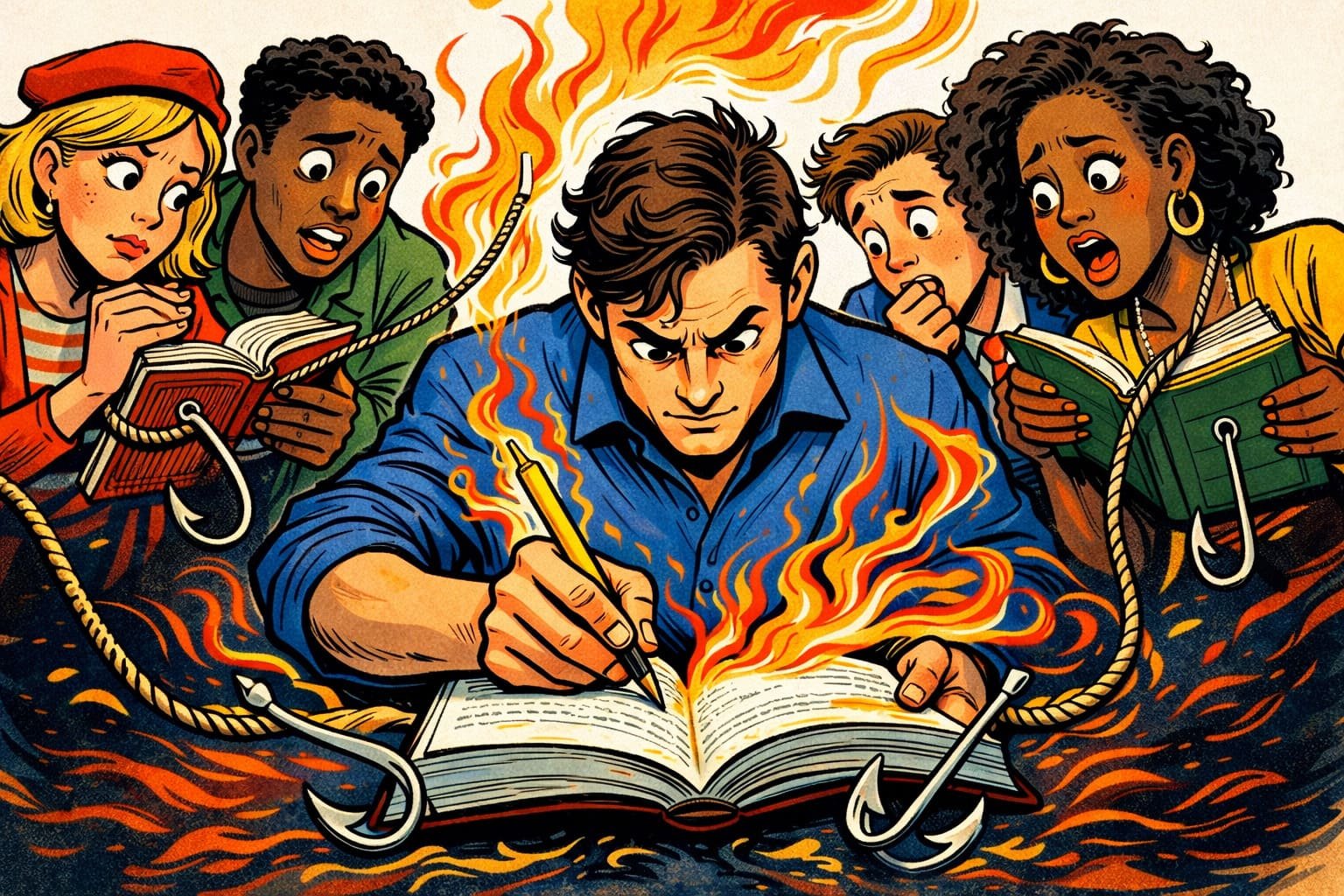
Rain tapped impatiently against a train station roof while dozens of passengers stared into glowing screens, scrolling with astonishing speed before abandoning one story after another. Every swipe resembled a silent audition. Every abandoned paragraph felt like another actor dismissed before speaking a memorable line. Curiously, the articles that survived those restless thumbs rarely began with answers. They opened tiny emotional doors instead, inviting curiosity to linger before certainty arrived.
Modern readers are not short of attention. They are overwhelmed by premature certainty. Many writers mistake information for engagement, filling introductions with complete explanations before curiosity has room to breathe. Great storytelling works differently because every paragraph quietly raises another unanswered question while delivering enough value to earn trust. Suspense is not reserved for thrillers. Business writing, marketing, and leadership communication thrive when readers sense an invisible thread pulling them gently toward the next sentence.
Netflix understands this rhythm with remarkable precision. Episodes rarely conclude by resolving every conflict because unanswered tension becomes tomorrow’s invitation. Malcolm Gladwell applies a similar instinct in long-form nonfiction, presenting surprising observations before unpacking their deeper meaning. Elena, an industrial software marketer, rewrote a routine customer case study after opening with one unexpected question from a frustrated client. Readers stayed longer, shared the article widely, and conversations with prospects became noticeably richer because curiosity replaced predictable corporate language.
A museum curator once described exhibitions as conversations rather than collections, and that simple remark carries surprising wisdom for anyone creating content. Visitors do not rush toward every painting because each artwork is explained immediately. Small mysteries encourage slower movement. An independent travel newsletter borrowed this idea by revealing destinations through sensory fragments before naming locations outright. Subscribers responded enthusiastically because discovery felt earned instead of delivered like another predictable headline.
Psychologists describe curiosity as a tension created between what people know and what they still want to understand. Effective writing stretches that space without snapping patience. Too much mystery frustrates readers. Too much explanation removes emotional momentum before meaningful engagement develops. Companies like HubSpot consistently publish educational content that balances practical answers with unfolding insight, allowing readers to progress naturally instead of feeling buried beneath information from the opening paragraph.
Dim café lights reflected across half-finished notebooks while conversations drifted between strangers who never realized they had reached the final page almost accidentally. Strong writing rarely pushes readers forward with force. It gently persuades them that the next paragraph might contain the piece they did not know they were searching for until that exact moment. Leave enough unanswered today that readers cannot resist returning tomorrow.
