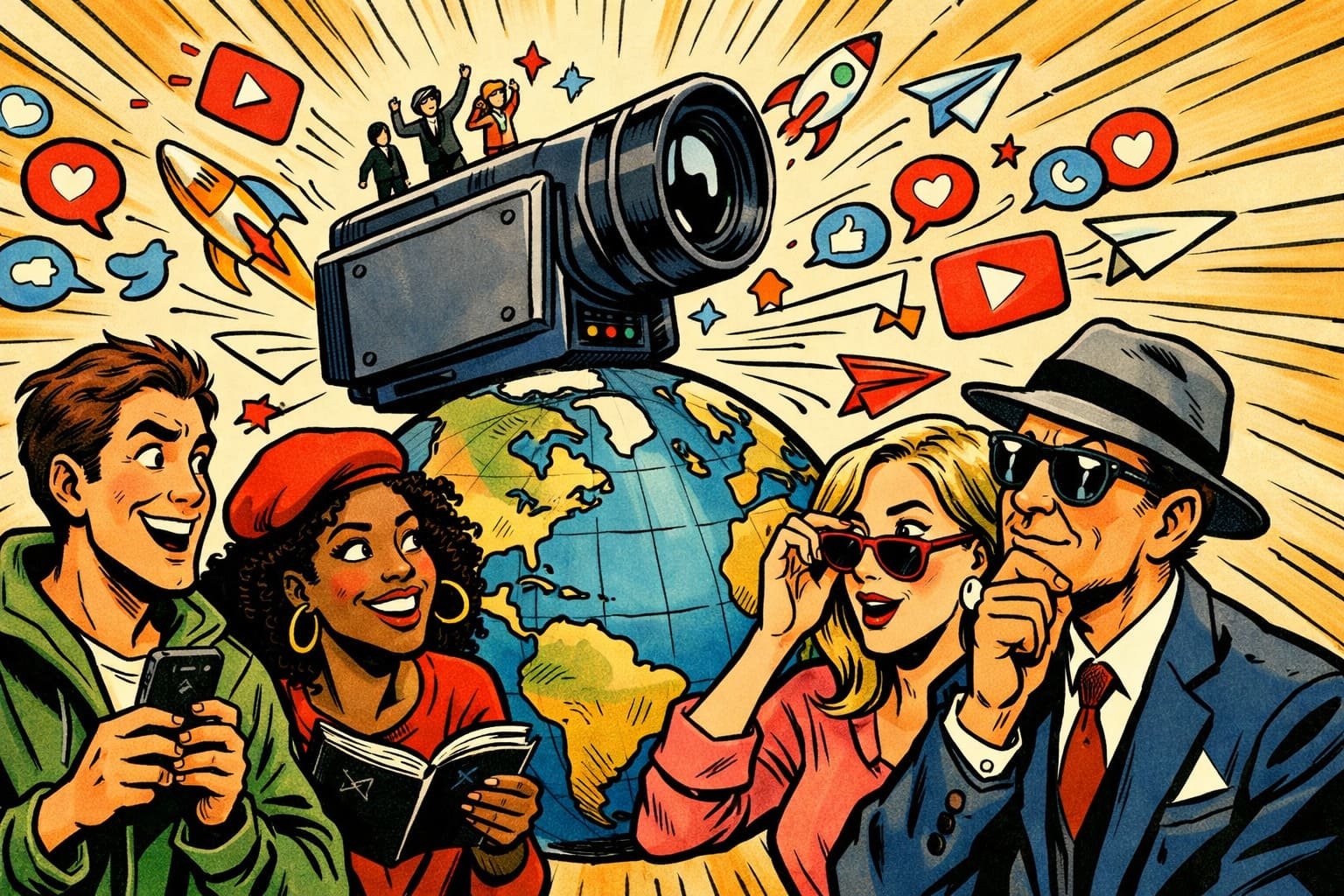
Curtains rise inside an empty warehouse where no audience waits, yet millions will soon gather without sharing a single seat. A founder adjusts a microphone, clears a nervous throat, and begins explaining an ordinary business problem with remarkable honesty. That quiet recording travels farther than expensive advertising ever managed. Strange? Hardly. Modern influence rarely begins with polished production. It begins when useful ideas discover motion, turning written expertise into living conversations that audiences can watch, hear, remember, and trust.
Many organizations still treat video as another marketing channel rather than a strategic amplifier. That assumption quietly limits growth. A thoughtful article may educate loyal readers, but a compelling video invites new audiences into the same intellectual world through expression, voice, pacing, and emotion. Written content builds understanding. Video accelerates familiarity. Simon Sinek’s influence expanded not because his ideas changed dramatically, but because audiences experienced conviction through his delivery as much as through his words.
HubSpot recognized this shift early by transforming educational content into podcasts, webinars, YouTube lessons, short clips, and live conversations that reinforced one coherent ecosystem. Every format strengthened another. A similar breakthrough emerged inside Natalia’s architecture firm after months of publishing insightful articles with modest engagement. Her team began filming project walkthroughs explaining design choices instead of showcasing finished buildings alone. Clients arrived already trusting the firm’s thinking because they had witnessed expertise unfolding naturally rather than reading polished summaries.
A neighborhood baker accidentally revealed another lesson while decorating cakes beside a shop window. Passersby stopped to watch steady hands shaping delicate patterns before buying pastries they never planned to purchase. Process created desire before products entered consideration. Marvel understands the same psychology by extending stories across films, streaming series, interviews, and behind-the-scenes features. Every additional format deepens emotional investment instead of merely repeating familiar information, rewarding curiosity with fresh perspectives rather than recycled promotion.
Video succeeds because human beings instinctively search for faces, voices, hesitation, confidence, and authenticity before evaluating facts. Those subtle signals build trust faster than paragraphs alone can accomplish. Adobe’s growing creative ecosystem reflects this reality by supporting creators producing integrated visual experiences instead of isolated assets. A consulting practice discovered similar momentum after recording weekly discussions between analysts rather than scripted presentations. Prospective clients responded warmly because genuine conversation felt more credible than rehearsed perfection ever could.
Projector light fades across an empty auditorium while lingering echoes refuse to disappear, as though meaningful dialogue has settled permanently into every chair. Durable influence behaves in much the same way. Articles plant ideas. Video gives those ideas heartbeat, rhythm, and memory. Organizations building lasting authority understand that every thoughtful essay contains another story waiting to move, speak, and travel farther than words alone ever imagined. Empires rarely expand through louder messages. They grow because memorable voices keep finding new stages.
