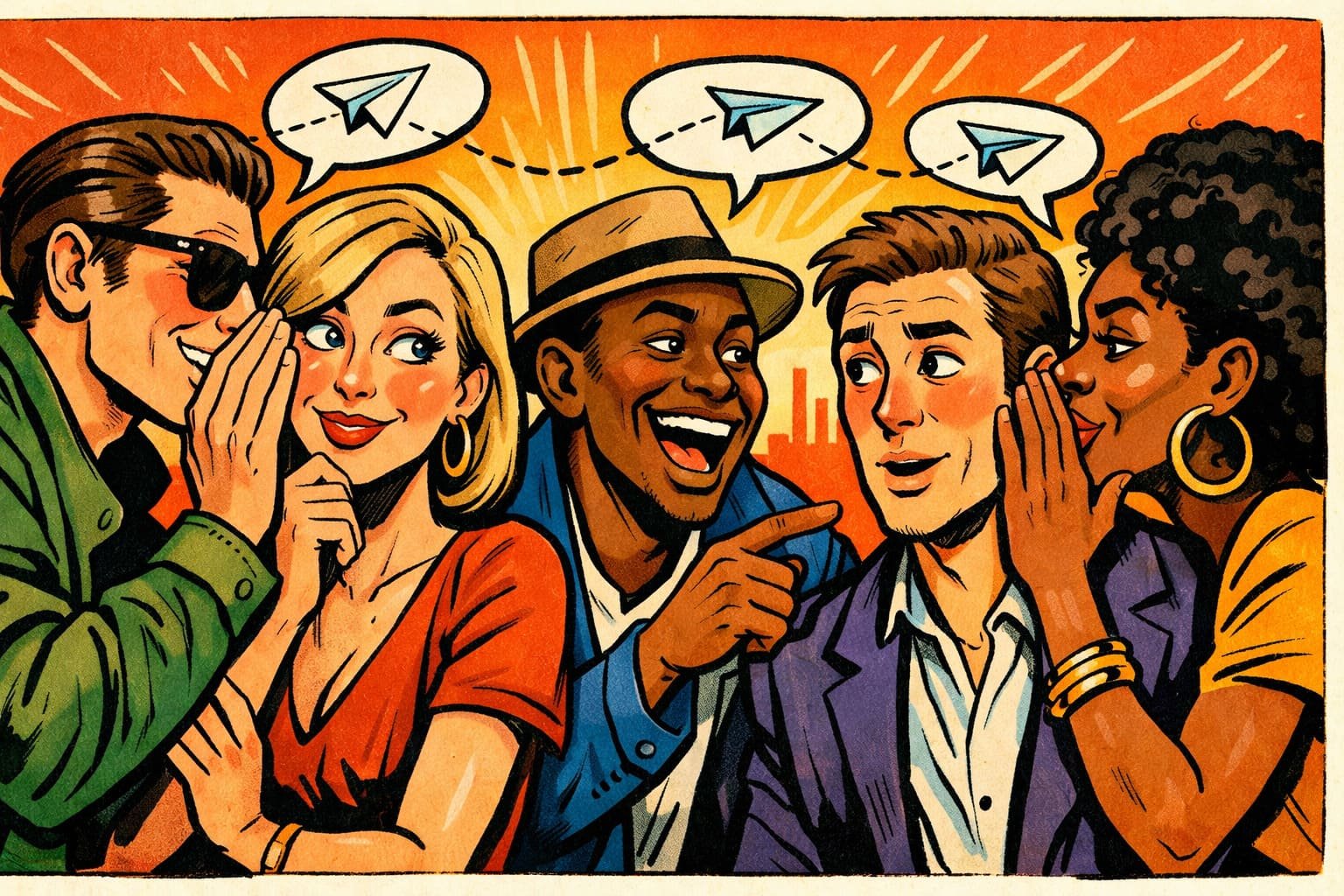
Applause erupted across a packed restaurant before anyone noticed the chef had quietly disappeared into the kitchen. Diners kept pointing friends toward empty chairs, insisting they order the same meal without glancing at the menu. Nobody mentioned advertising. Nobody discussed discounts. Confidence moved through conversations like an invisible current, carrying names farther than billboards ever could, proving that trust often travels faster than money can purchase attention.
Executives frequently chase customer acquisition while overlooking the people already willing to recommend them. That oversight is surprisingly expensive. Referrals emerge when confidence becomes strong enough to risk personal reputation on another person’s experience. Every recommendation contains an unspoken promise, and every satisfied customer becomes a quiet ambassador whose credibility often outweighs polished campaigns. Marketing budgets buy visibility, but genuine advocacy earns belief, and belief travels remarkably well across families, workplaces, and communities.
Tesla became one of the clearest demonstrations of this principle during its early growth. Passionate owners shared experiences online, invited neighbors for test drives, and answered questions long before traditional advertising became central to the company’s strategy. A financial adviser named Kavin experienced a smaller version of that dynamic after simplifying client meetings instead of adding elaborate presentations. One relieved customer recommended him during a weekend barbecue, leading to introductions that no advertisement could have arranged with equal sincerity.
A neighborhood barber once taped a handwritten note beside the mirror that read, “Bring someone who needs a fresh start.” No discount followed. No complicated promotion appeared underneath. Weeks later, conversations filled waiting chairs because regular customers loved telling the story behind that simple invitation. Human beings rarely share transactions with enthusiasm. They eagerly share experiences that help friends feel wiser, safer, or unexpectedly understood, transforming ordinary businesses into trusted social signals.
Behavioral economists often describe trust as borrowed certainty. Whenever uncertainty rises, recommendations become shortcuts that reduce emotional risk and mental effort. Dropbox encouraged referrals by rewarding both participants rather than treating existing customers as afterthoughts, aligning personal benefit with generous behavior. Strong referral systems succeed because they acknowledge an overlooked truth: people enjoy helping others discover worthwhile experiences when doing so strengthens their own identity as thoughtful decision makers rather than persuasive salespeople.
Streetlights reflected across rain-dark pavement while another recommendation quietly crossed a dinner table, changing tomorrow’s buying decision before any advertisement had a chance to appear. Businesses that earn referrals understand a simple but demanding reality, every delighted customer carries an invisible printing press capable of producing lasting opportunities through ordinary conversations. Campaigns fade, algorithms change, and promotions expire. Build a business people feel proud to recommend, because trust remains the only marketing message customers willingly deliver for free.
