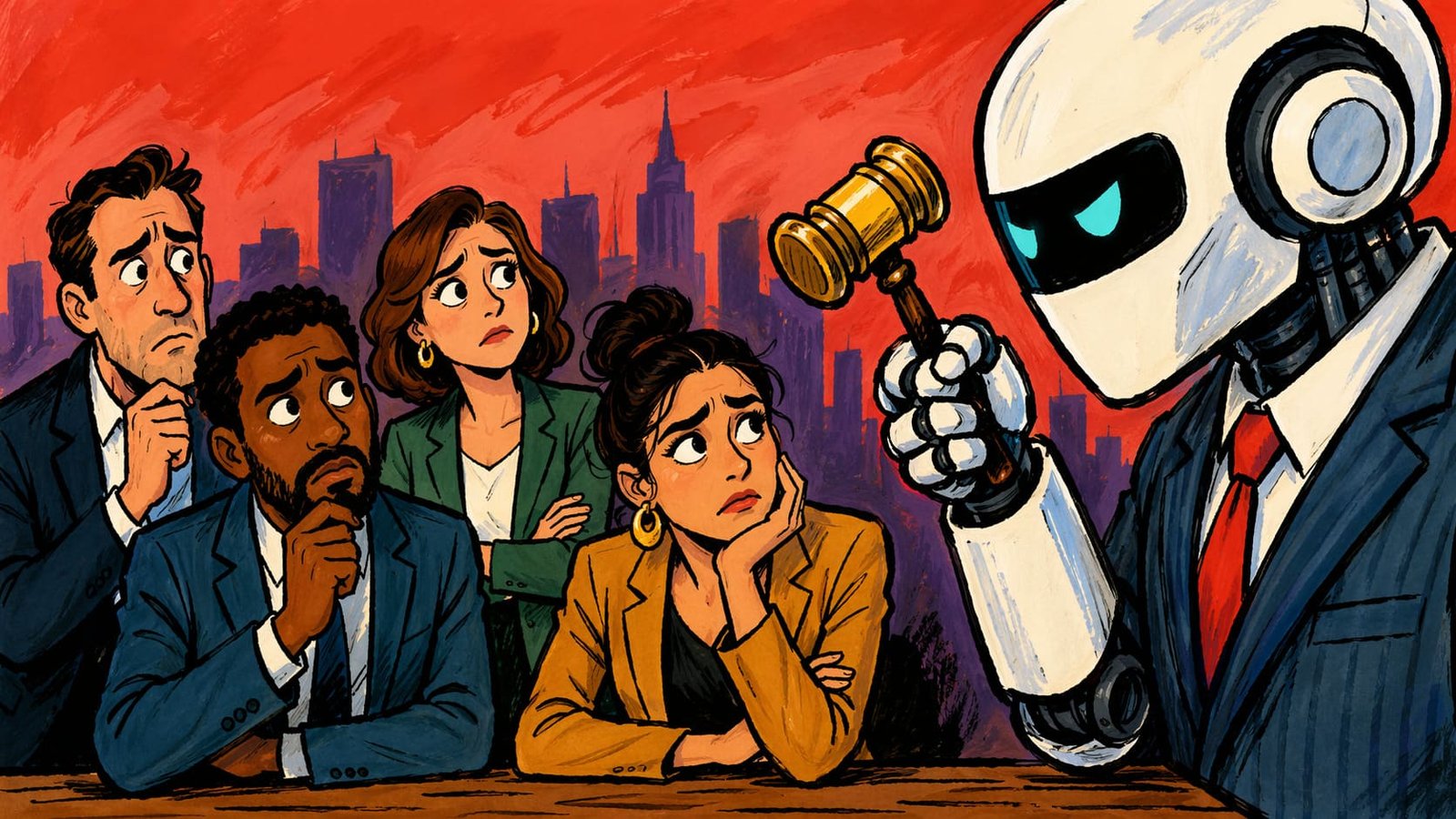
A red warning light blinked above a warehouse door while delivery robots glided across polished concrete, never asking for coffee breaks, promotions, or praise. Nearby, a founder watched dashboards glow brighter than human faces, sensing an uncomfortable truth before anyone dared to say it aloud. Every machine appeared obedient, yet every decision felt strangely heavier. That quiet tension now defines modern entrepreneurship, where artificial intelligence no longer behaves like another useful tool but resembles an unforgiving examiner, rewarding businesses that adapt while exposing every weakness leaders once managed to hide behind confidence and ambition.
Entrepreneurs often imagine competition wearing another company’s logo. Reality has changed. Artificial intelligence increasingly measures businesses against faster learning cycles, sharper customer understanding, and relentless operational discipline rather than against neighboring firms alone. A bakery adopting predictive inventory suddenly wastes less food while protecting margins. A logistics startup automating route planning quietly wins contracts larger rivals expected to keep forever. Judgement arrives without applause, almost invisibly. Companies that continue relying on instinct alone discover that yesterday’s experience becomes tomorrow’s liability once intelligent systems begin improving faster than human routines can evolve.
History offers an uncomfortable reminder that technology rarely destroys industries first. It exposes complacency. Kodak understood photography better than almost anyone, yet digital transformation rewarded adaptation instead of expertise. Blockbuster owned remarkable retail presence, while Netflix questioned assumptions everyone else accepted. Similar patterns now shape artificial intelligence. Mira, founder of a growing legal consultancy, resisted document automation because craftsmanship defined her firm’s identity. Months later, younger competitors completed routine work within hours, allowing lawyers to spend more time advising clients. Customers noticed speed first, then quality, reversing assumptions about what professionalism actually looked like.
Curiously, an old violin workshop explains modern entrepreneurship better than another software conference ever could. Master builders understood that precision mattered, yet every remarkable instrument still reflected thoughtful interpretation instead of mechanical repetition. Artificial intelligence creates a similar paradox. Routine execution becomes easier while genuine judgement becomes more valuable. Shopify encourages merchants through practical AI features that simplify commerce, yet successful stores continue distinguishing themselves through memorable brands, authentic customer relationships, and courageous positioning. Technology scales competence. Character still shapes competitive advantage, especially when countless businesses gain access to identical digital capabilities.
Investors increasingly examine founders through different questions than before. They still appreciate resilience and vision, yet curiosity now outweighs certainty because learning speed predicts survival more accurately than polished presentations. Daniel launched an online manufacturing marketplace with impressive funding but dismissed artificial intelligence as fashionable noise. Across town, Aisha operated a modest industrial supplier, experimenting patiently with forecasting tools and customer insights every week. Her company expanded steadily while his struggled beneath expensive assumptions. Markets rarely reward confidence alone. They reward disciplined adaptation disguised as ordinary daily decisions repeated relentlessly.
Rain gathered against tall office windows while computer screens reflected both optimism and unease across an otherwise ordinary evening. Somewhere another entrepreneur closed a laptop, realizing artificial intelligence had never been competing against humanity itself. Instead, every business had been competing against its own willingness to learn, question habits, and reinvent familiar success before circumstances demanded painful change. That realization carries remarkable freedom. When judgement finally arrives, your greatest competitor will never be artificial intelligence, but yesterday’s version of your own ambition.
