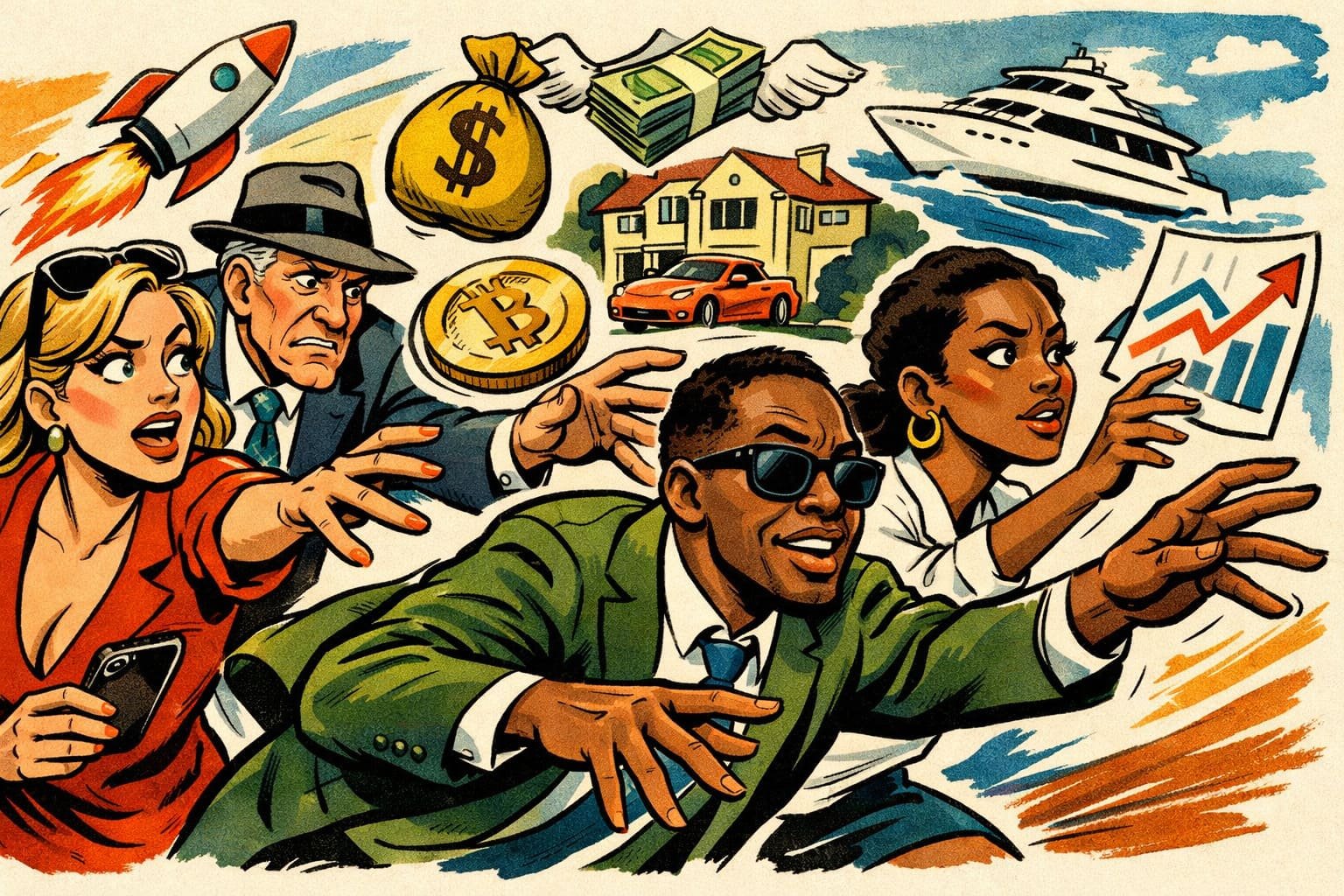
Music thumped through a Manhattan rooftop gathering where portfolio managers laughed over identical trades while insisting each strategy was unique. Screens inside nearby offices told a different story. Positions that once looked brilliantly independent had begun overlapping until entire markets moved like synchronized dancers. Crowding has become one of modern finance’s quiet paradoxes. Investors devote enormous resources to discovering original ideas, yet success often attracts imitation so quickly that yesterday’s advantage transforms into today’s shared vulnerability.
Hedge funds exist to exploit inefficiencies, identify mispriced assets, and generate returns regardless of broader market direction. Competition, however, reshapes that mission. Powerful analytical tools, alternative data, artificial intelligence, and rapid information sharing mean opportunities rarely remain hidden for long. As more firms identify similar patterns, capital concentrates around identical themes. Distinct investment philosophies begin resembling one another. Diversification appears healthy on paper while underlying portfolios quietly converge toward remarkably similar exposures.
The technology sector has repeatedly demonstrated this dynamic. During the surge surrounding artificial intelligence, leading companies such as Nvidia, Microsoft, and Broadcom attracted extraordinary institutional interest because their earnings aligned with transformative technological trends. A portfolio manager named Victor discovered the danger during a volatile quarter. His firm’s analysis appeared original until sharp market declines revealed dozens of competitors holding nearly identical positions. Selling accelerated. Liquidity vanished faster than anyone expected because everyone reached for the same exit simultaneously.
Financial economist John Maynard Keynes once compared investing to a newspaper beauty contest where participants choose what others are most likely to prefer rather than what they personally find attractive. That observation feels remarkably current. Hedge funds increasingly analyze not only business fundamentals but also the probable behavior of rival investors. Accounting quality, valuation discipline, and cash generation still matter. Market psychology now matters just as much because crowded trades often unwind according to emotion before financial statements change in any meaningful way.
Crowding does not necessarily signal irrational investing. Sometimes the strongest companies genuinely deserve widespread ownership because durable earnings justify sustained confidence. Apple remained a popular institutional holding for years while continuing to reward patient shareholders through operational excellence and disciplined capital allocation. Trouble emerges when consensus replaces curiosity. Markets become fragile whenever investors stop asking whether an idea remains compelling and instead assume popularity itself confirms its wisdom. Familiarity can quietly disguise growing financial risk.
City lights reflected across dark river water while trading algorithms prepared for another opening bell that promised fresh opportunities and familiar temptations. Markets will always reward insight, yet they rarely reward comfort for very long. Every generation believes it has discovered the winning trade before discovering how many others reached the same conclusion. Perhaps the greatest investment edge no longer comes from finding what everyone loves, but from recognizing precisely when universal agreement becomes the market’s most dangerous illusion.
