The mansion smelled faintly of cigar smoke, expensive leather, and the peculiar loneliness that follows public greatness. Somewhere behind a polished oak door, a billionaire investor was discussing meditation with the seriousness of a nuclear physicist handling plutonium. Across another room, an athlete famous for terrifying opponents on television quietly admitted to sleeping with blackout curtains, magnesium supplements, and absolute silence because the mind refused to power down naturally anymore. The modern titan, it turned out, looked less like a superhero and more like a sleep-deprived monk carrying invisible pressure fractures beneath designer clothing.
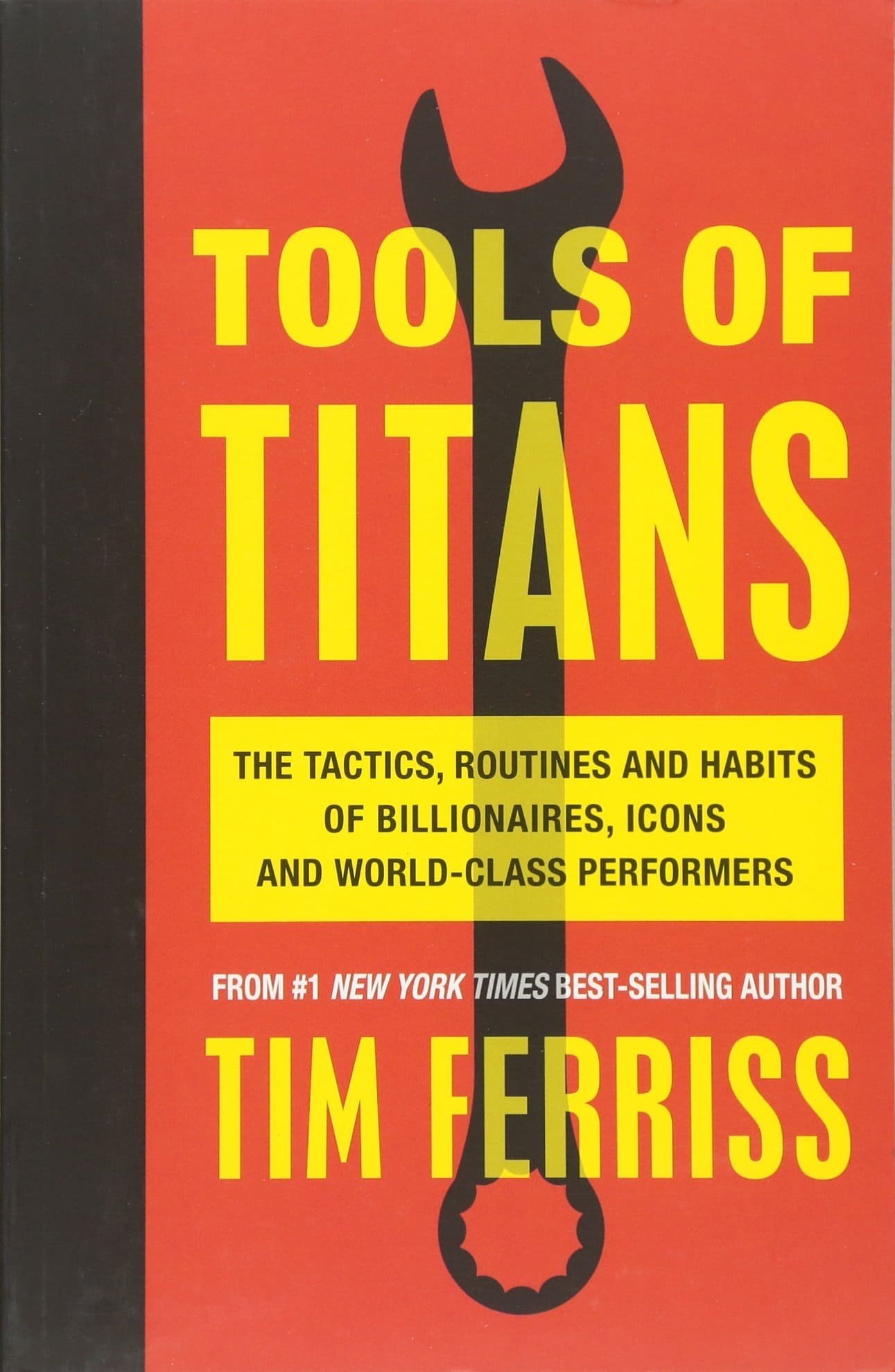
Tools Of Titans: The Tactics, Routines, and Habits of Billionaires, Icons, and World-Class Performers reads less like a productivity manual and more like intercepted intelligence from the private operating systems of high performers. Tim Ferriss assembled routines, philosophies, habits, anxieties, and strange personal rituals from world-class achievers across business, sports, entertainment, and psychology. Yet beneath the surface-level fascination sits a darker and more revealing question: what exactly does extreme success do to the human nervous system?
That question lingers because modern culture worships outcomes while rarely examining the emotional machinery producing them. Ferriss pulls readers into the backstage corridors of ambition where brilliance often coexists with compulsions bordering on spiritual survival tactics. Meditation routines become emotional armor. Ice baths become psychological resets. Journaling becomes an attempt to negotiate peace with a mind permanently stuck in performance mode. The book accidentally reveals something uncomfortable about elite achievement: extraordinary performers frequently construct elaborate personal systems because chaos terrifies them more than exhaustion does.
A venture capitalist named Darius once became obsessed with replicating the morning habits of famous founders after reading early excerpts from Ferriss’s interviews. Green tea. Breathwork. Strategic reading. Hyper-controlled scheduling. His apartment slowly transformed into a laboratory for optimization. Friends joked that visiting him felt like entering a Silicon Valley monastery designed by people afraid of spontaneity. Months later, after finally burning out during a negotiation trip to Singapore, Darius admitted something quietly devastating over cold noodles at an airport restaurant: none of the routines mattered until he confronted why he felt unworthy without constant achievement.
That confession sits beneath much of the book like hidden static beneath polished wisdom. Ferriss interviews people who have conquered industries, reshaped culture, dominated markets, and survived public scrutiny intense enough to melt ordinary confidence. Yet many still sound haunted. One senses recurring themes beneath the tactical brilliance: fear of irrelevance, terror of wasted potential, lingering insecurity from childhood rejection, hunger for meaning after financial victory loses novelty. The routines matter. The psychology matters more.
There is also something strangely anthropological about the collection. Ferriss documents elite performers almost like rare tribes surviving hostile environments through ritual behavior. One founder swears by radical fasting. Another relies on transcendental meditation before major decisions. A comedian discusses depression with startling honesty while a military strategist explains emotional resilience with the precision of battlefield doctrine. The cumulative effect becomes mesmerizing because the reader slowly realizes no single formula exists. High performance resembles jazz more than mathematics. Patterns emerge, but personality distorts every system differently.
A documentary editor named Selene experienced this realization while working on a streaming series profiling celebrity entrepreneurs. Publicly, many projected invincible confidence. Privately, dressing rooms smelled of anxiety medication, stale coffee, and adrenaline. One famous executive spent twenty minutes obsessing over a minor social media comment before stepping onto a stage to discuss leadership before thousands. Another billionaire insisted on carrying handwritten affirmations folded inside his wallet like sacred talismans against self-doubt. The contrast fascinated Selene. Society treats elite figures like marble statues. Up close, they looked painfully human.
The book becomes especially sharp when viewed through the lens of modern attention culture. Ferriss built much of his influence during a period when self-optimization transformed from niche obsession into mainstream identity. Productivity became fashion. Biohacking became status signaling. Silicon Valley executives began discussing fasting protocols with the intensity previous generations reserved for religion. Ferriss captured that cultural shift before many fully recognized its implications. In a distracted age, disciplined focus became luxury. Control over one’s own mind became the new wealth.
Yet the book wisely resists pretending optimization alone creates fulfillment. Some of its most powerful moments arrive unexpectedly through vulnerability rather than dominance. Artists discuss emotional collapse. Athletes confess burnout. Investors describe emptiness after massive wins. These sections quietly dismantle the fantasy that achievement automatically resolves existential confusion. Ferriss never fully says it outright, but the pattern becomes impossible to ignore: success magnifies inner architecture. If someone enters ambition fractured, fame often enlarges the fracture instead of healing it.
A restaurateur named Hana learned that lesson after scaling her hospitality brand across several cities. Industry magazines celebrated her relentlessly. Podcasts framed her as a symbol of modern entrepreneurial excellence. During one private dinner after an awards ceremony, she admitted feeling emotionally absent from her own life. Staff turnover haunted her. Relationships deteriorated quietly. Her calendar looked impressive and felt predatory. Reading Ferriss later disturbed her because the stories mirrored her own private contradictions. High performers were not machines. They were people building elaborate systems to survive the consequences of intensity.
The deeper genius of Tools Of Titans: The Tactics, Routines, and Habits of Billionaires, Icons, and World-Class Performers lies in how it reframes mastery itself. The book does not truly celebrate perfection. It celebrates experimentation. Nearly every titan profiled behaves like an obsessive student endlessly revising personal operating systems through trial, error, failure, embarrassment, and adaptation. That mindset feels increasingly rare inside performative online cultures where certainty gets rewarded faster than curiosity.
Late one rainy evening, a young analyst named Emilio sat alone inside a fluorescent-lit office tower long after his coworkers had left. Spreadsheet tabs glowed across dual monitors like tiny digital prison bars. On his desk rested Ferriss’s thick, dog-eared book beside a half-finished protein shake and a cold slice of pizza curled at the edges. Earlier that day he had received the promotion he thought would finally quiet the panic driving him for years. Instead the silence felt stranger than the struggle itself. He opened the book randomly and landed on a passage about fear, rest, and self-awareness. For the first time in months, he closed the laptop before midnight.
That moment captures the strange emotional gravity surrounding Tools Of Titans: The Tactics, Routines, and Habits of Billionaires, Icons, and World-Class Performers. Beneath the tactics, hacks, and routines sits a more unsettling truth about modern ambition. Human beings are trying to engineer meaning using calendars, supplements, workflows, and rituals because the surrounding culture no longer provides coherent emotional maps. Ferriss documents this search with remarkable honesty. Some readers will find strategies. Others will recognize themselves hiding inside the interviews.
Across countless penthouses, startup hubs, gyms, airport lounges, and silent hotel rooms tonight, ambitious people are still optimizing every measurable corner of their lives while quietly avoiding the harder question sitting beneath the performance. A sharper routine can improve output. A stronger system can protect attention. Neither can answer the haunting suspicion that achievement without inner clarity eventually starts sounding like applause echoing through an empty cathedral.
Editorial Disclaimer: Whether a book is a work of fiction, a memoir, or inspired by real events, the ideas, actions, decisions, and behaviors discussed within are not intended to be encouraged, replicated, or endorsed in real-world situations. This review is published solely for educational, analytical, literary, and entertainment purposes, with the aim of examining the book’s themes, storytelling, characters, philosophies, and broader cultural or business insights. Any ethical or unethical viewpoints, practices, or conduct presented in the book do not necessarily reflect the views, values, or endorsements of ESYRITE.
