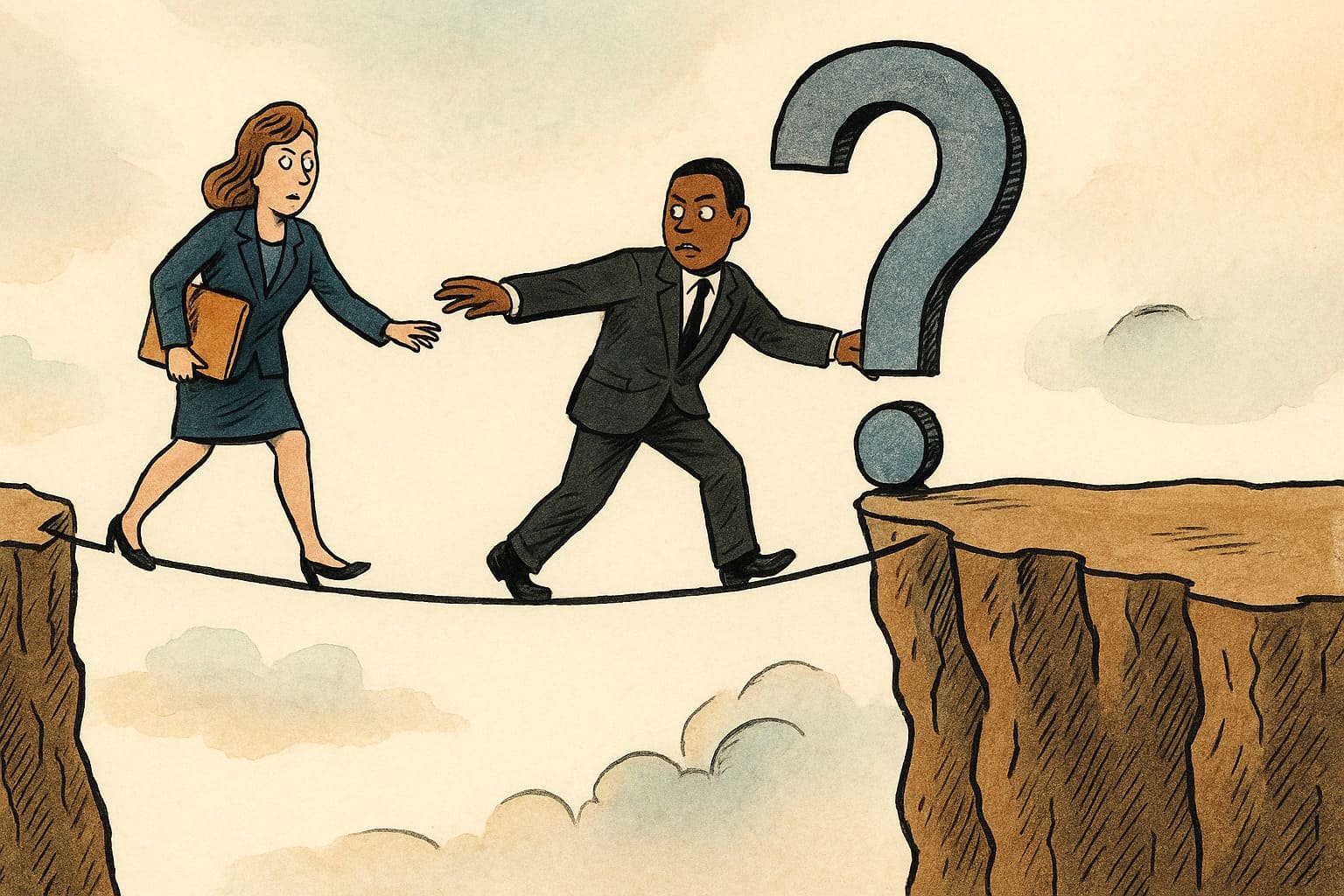
The contract looked ordinary enough. Signatures waited neatly at the bottom of the page, coffee cooled beside polished conference tables, and every handshake suggested another successful business deal. Nobody in the room appeared dishonest. Nobody planned to become the villain of the story. Yet hidden inside one seemingly harmless decision lay a compromise that would quietly reshape an entire company. Ethical failure rarely begins with spectacular fraud. It begins with small choices that feel reasonable in the moment, each one making the next compromise slightly easier than the last.
Entrepreneurship demands difficult decisions almost every day. Founders negotiate with investors, compete aggressively, reduce costs, and search relentlessly for growth. None of those activities are unethical by themselves. Problems emerge when winning becomes more important than deserving victory. Pressure changes people. Cash flow tightens. Deadlines loom. Competitors move faster than expected. Suddenly, bending the truth seems practical instead of dangerous. That shift rarely feels dramatic. It feels convenient. Unfortunately, convenience has quietly introduced many businesses to reputational disasters they never imagined possible.
Ethics should never be viewed as a luxury reserved for successful organizations. They become most valuable precisely when circumstances are difficult. Honest leadership builds confidence that cannot be replicated through clever marketing campaigns or polished investor presentations. Employees observe how leaders behave under pressure long before they listen to motivational speeches. Customers reach similar conclusions. Every interaction either strengthens credibility or weakens it. Trust grows slowly through consistent choices, yet one dishonest decision can erase years of carefully earned goodwill within days.
Farah launched a sustainable fashion company built upon transparency and responsible sourcing. As demand increased, a supplier quietly offered cheaper materials while encouraging the business to continue advertising premium environmental standards. The financial temptation was significant. Investors wanted stronger margins, and expansion costs continued rising. Farah declined the offer despite knowing quarterly profits would suffer. Some questioned her judgment. Customers eventually learned about her decision through industry conversations rather than promotional campaigns. Loyalty deepened because authenticity had been demonstrated instead of merely advertised.
History consistently rewards organizations that protect principles during uncertain moments. Johnson & Johnson’s response to the Tylenol crisis remains respected because customer safety outweighed immediate financial concerns. Patagonia has repeatedly reinforced environmental commitments even when those choices complicated commercial decisions. Such organizations remind business leaders that ethics and profitability are not natural enemies. In many cases they become strategic partners. Businesses trusted during difficult periods often recover faster because relationships remain stronger than temporary financial setbacks or competitive disruptions.
Popular culture sometimes portrays successful entrepreneurs as clever rule-breakers willing to exploit every legal loophole. The image appears exciting until real consequences arrive. Markets eventually expose businesses built upon deception because disappointed employees, customers, and partners rarely remain silent forever. Sustainable entrepreneurship requires something less glamorous but considerably more powerful. It requires discipline. Saying no to questionable opportunities often demands greater courage than accepting them. Integrity rarely generates dramatic headlines. It quietly builds resilient organizations capable of enduring changing markets and public scrutiny.
Management thinker Warren Buffett famously observed that reputation takes years to build and moments to destroy. That principle carries particular weight for entrepreneurs whose personal identity often becomes closely connected to their businesses. Ethical leadership extends beyond compliance or legal obligation. It shapes organizational culture, hiring decisions, customer relationships, and investor confidence. Every ethical choice sends a message about what kind of enterprise is truly being built. Those messages accumulate, eventually defining whether success rests upon admiration or mere financial performance.
The office eventually falls silent after another demanding day filled with negotiations, ambitions, and difficult choices. Contracts remain filed away. Financial reports continue measuring profits with remarkable precision. Yet another ledger always exists beyond accounting systems. It records promises honored when shortcuts appeared easier, values defended when compromise felt profitable, and character revealed when nobody expected applause. Businesses may be remembered for innovation, growth, or market dominance. They are ultimately judged by the lines they refused to cross when crossing them seemed most rewarding.
