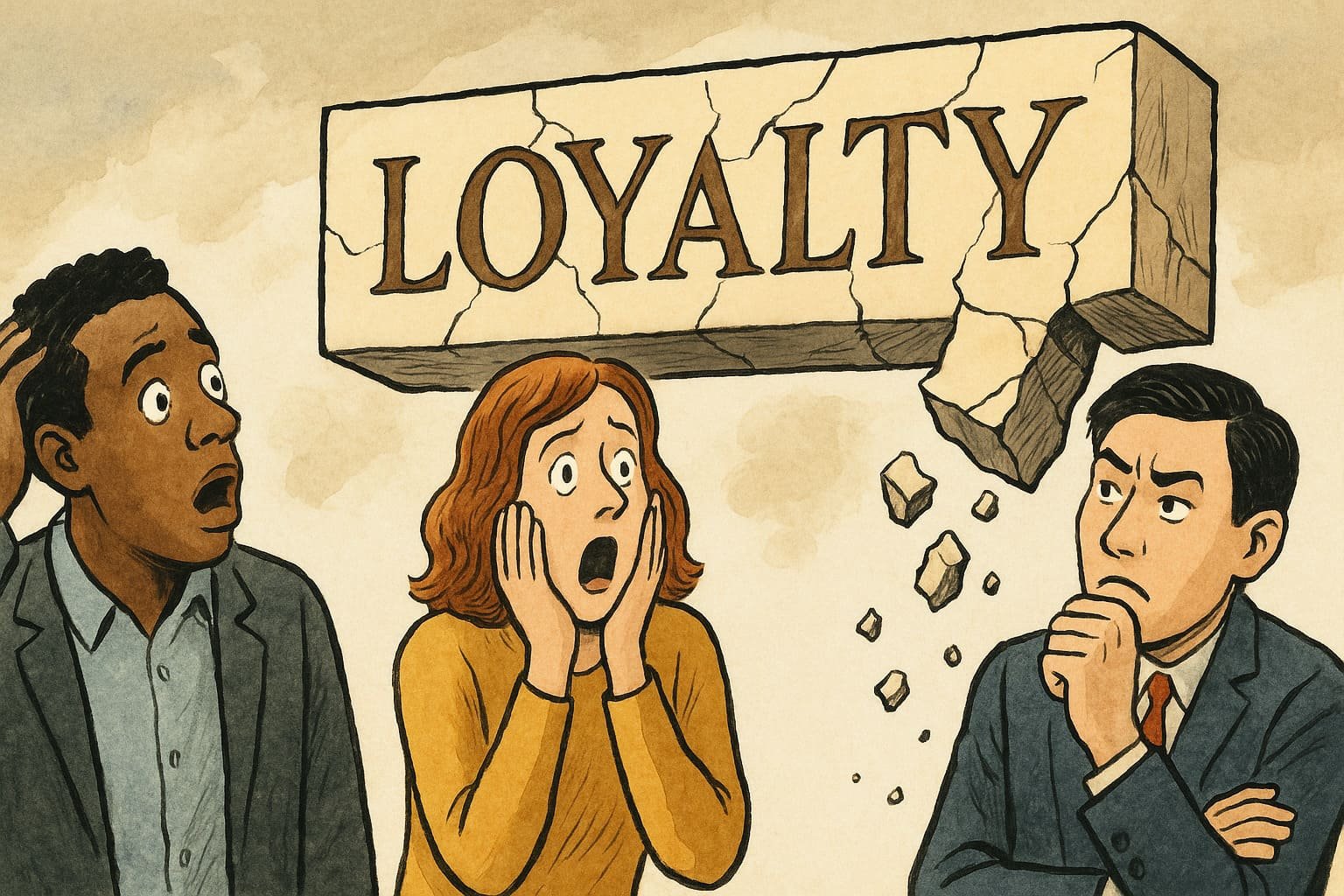
The old café sat on the same street corner for decades. Regulars once ordered without looking at the menu because the staff already knew their names, favorite table, and how they liked their coffee. Then something changed. Familiar faces appeared less often. New competitors opened nearby. Loyalty cards piled up inside wallets while genuine loyalty quietly disappeared. The owner blamed discounts, social media, and changing tastes. The real answer was more unsettling. Customers had not become less loyal. They had simply become less willing to settle.
For generations, businesses treated customer loyalty as something that could be purchased through rewards, coupons, and clever promotions. That formula now feels increasingly fragile. Modern consumers compare prices within seconds, read reviews before buying, and share experiences with thousands of strangers online. Convenience has become common. Quality is expected. Loyalty must now be earned through something deeper than transactions. It grows from trust, emotional connection, and the confidence that a company will continue making the right decision even when no one is watching.
Costco offers an interesting example. Membership fees generate significant revenue, yet customers continue renewing because the relationship extends beyond discounts. Shoppers believe the company protects their interests by negotiating value, maintaining product quality, and avoiding unnecessary complexity. That confidence was not created through advertising alone. It developed over years of consistent behavior. Loyalty rarely appears after one remarkable experience. It accumulates through dozens of ordinary moments where expectations are quietly met or unexpectedly exceeded.
Elena managed a boutique hotel overlooking a quiet coastline. Online bookings remained healthy, yet returning guests became increasingly rare. Instead of launching another promotional campaign, she spent several afternoons sitting in the lobby, listening to visitors without introducing herself as the owner. One family mentioned how every luxury hotel now looked and felt almost identical. That observation changed everything. Elena encouraged staff to write handwritten welcome notes, recommend hidden local cafés, and remember returning guests by name. Occupancy improved slowly, but repeat visits grew faster than any advertising campaign had ever achieved.
Technology has made switching brands almost effortless. A few taps on a screen can replace a bank, order groceries from another retailer, or cancel a subscription that once seemed indispensable. Companies often interpret this as proof that loyalty has disappeared. It has not. The definition has evolved. Customers remain remarkably loyal to businesses that consistently reduce stress, solve meaningful problems, and treat people with genuine respect. Emotional convenience has become just as valuable as digital convenience.
Many organizations unintentionally weaken loyalty by chasing constant growth at the expense of existing relationships. They invest heavily in attracting new customers while overlooking the people who already trust them. The irony is difficult to ignore. Long-term supporters sometimes receive less attention than first-time buyers offered generous introductory deals. Customers notice these contradictions quickly. Appreciation cannot be automated indefinitely. Eventually, loyalty begins reflecting how people feel, not how many reward points they have collected.
Inside thriving businesses, loyalty also flows in two directions. Employees who feel respected create better customer experiences because genuine care cannot be convincingly performed forever. Staff members who remain with an organization often become living ambassadors for its values, carrying institutional knowledge and authentic enthusiasm that competitors struggle to recruit. Strong customer relationships and healthy workplace cultures quietly reinforce one another, creating resilience that marketing budgets alone cannot manufacture.
A watchmaker once explained that people rarely returned because his clocks kept perfect time. They returned because every repair came with a story about the family who first owned the piece, the craftsman who built it, or the journey that brought it back to his workshop. The mechanism mattered, but memory mattered more. Brands often search for the next breakthrough while overlooking the quiet power of being remembered with affection. Markets reward efficiency. People reward meaning. The difference between the two is where enduring loyalty still lives.
