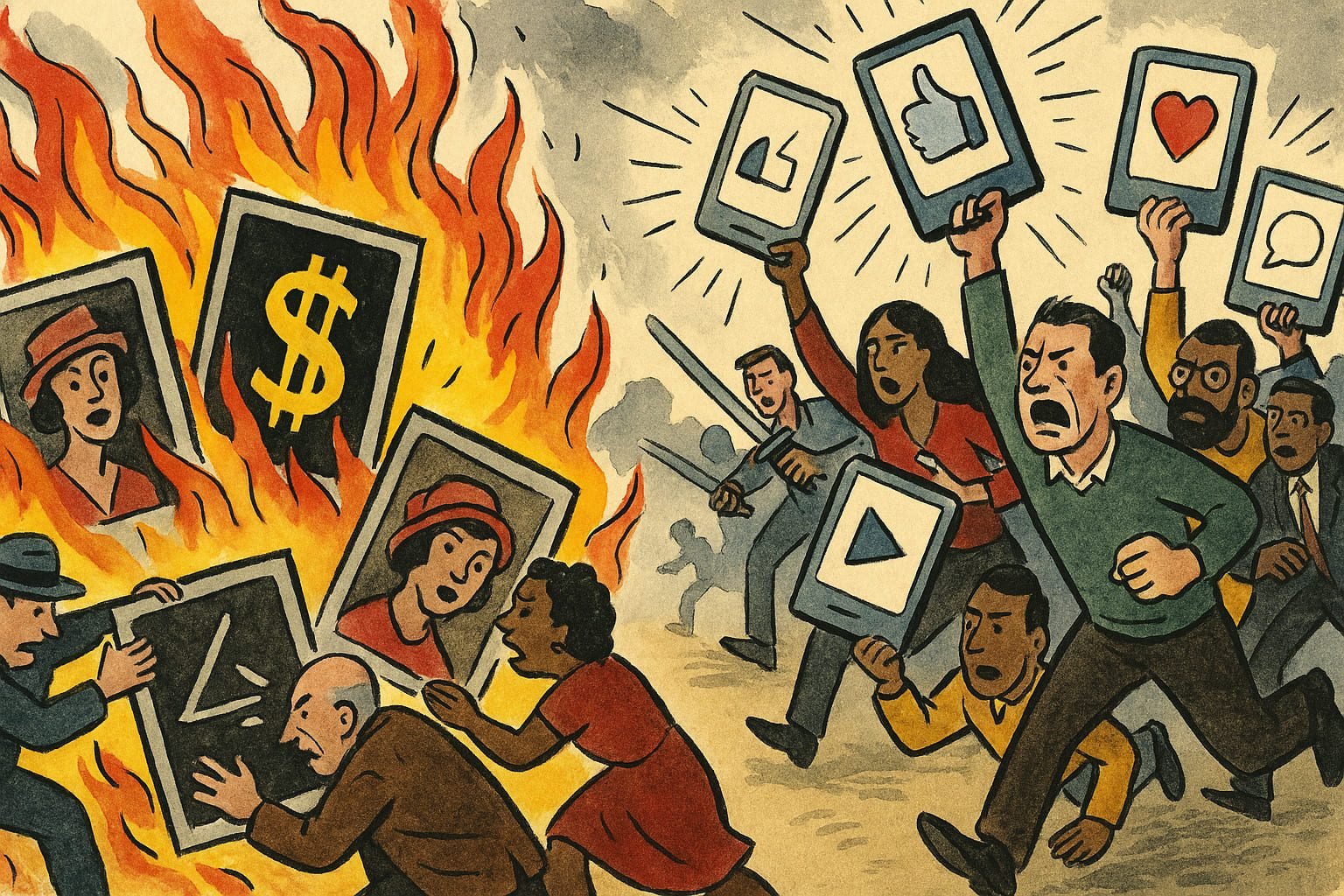
The television commercial was flawless. Every frame shimmered with cinematic precision. The soundtrack swelled at exactly the right moment, and the final logo settled onto the screen with practiced confidence. By breakfast the following morning, almost nobody remembered it. Meanwhile, a grainy thirty-second video recorded inside a small bicycle repair shop had gathered millions of views because the owner laughed after accidentally dropping a wrench, then explained how to fix a common problem for free. One advertisement demanded attention. The other earned it.
The rules governing modern marketing have changed more dramatically than many executives care to admit. Advertising once relied on repetition. The more often a message appeared, the more likely people were to remember it. Digital platforms disrupted that certainty by giving audiences complete control over what deserved their attention. Consumers skip, mute, scroll, and block anything that feels intrusive. Every brand now competes against comedy clips, breaking news, podcasts, family photographs, and conversations unfolding across dozens of digital communities. Visibility is no longer guaranteed simply because money was spent.
This transformation has exposed an uncomfortable weakness inside many organizations. Marketing departments often continue producing campaigns designed for an audience that no longer exists. They celebrate polished production while neglecting genuine relevance. Brands capable of adapting understand that digital communication resembles hospitality more than broadcasting. Guests stay because the experience feels worthwhile. Followers return because every interaction offers something useful, entertaining, or emotionally memorable. Attention has quietly become a privilege that customers choose to extend, not an entitlement companies automatically receive.
Luca inherited his grandfather’s bookstore during a difficult season for independent retailers. Sales continued falling despite placing larger newspaper advertisements and printing attractive promotional flyers. One afternoon his niece convinced him to record short videos recommending forgotten novels from dusty shelves, sharing the stories behind handwritten notes left inside secondhand copies. There was no expensive editing, no professional lighting, and no scripted dialogue. Readers from neighboring towns began visiting simply because they felt they already knew the man behind the counter. The shop stopped advertising books. It started inviting people into a conversation.
Companies such as Nike and Red Bull recognized years ago that audiences remember experiences longer than promotional messages. They built ecosystems around storytelling, sport, culture, and aspiration rather than relying solely on product descriptions. The lesson extends far beyond global corporations. Every business possesses stories worth telling because every business solves human problems. Customers rarely become emotionally attached to inventory. They connect with purpose, craftsmanship, resilience, and the people standing behind the work.
Digital marketing also rewards consistency more than occasional brilliance. A single viral campaign may generate headlines, but sustained trust grows through hundreds of smaller interactions delivered over months and years. A helpful tutorial. A thoughtful reply to customer criticism. A behind-the-scenes glimpse of ordinary work. These moments appear insignificant in isolation, yet together they create familiarity. Familiarity becomes confidence. Confidence eventually becomes commercial momentum that competitors struggle to interrupt.
There is another battle unfolding beneath the surface. Algorithms constantly evolve, platforms rise and disappear, and new technologies promise to revolutionize communication every few years. Many businesses chase every trend with exhausting urgency. Others remain anchored to a simple principle that never becomes obsolete: earn trust before asking for attention. That philosophy survives every technological shift because it depends on human behavior rather than software updates. Technology changes the stage. Human psychology continues writing the script.
Years from now, marketing historians may look back on this era and smile at how fiercely companies competed for clicks while quietly overlooking something far more durable. The winners were rarely those who shouted the loudest or published the most content. They were the organizations that understood a timeless truth wearing modern clothes: people remember those who consistently improve their lives, even in small ways. Everything else eventually becomes yesterday’s advertisement, archived, forgotten, and replaced before anyone notices it disappeared.
