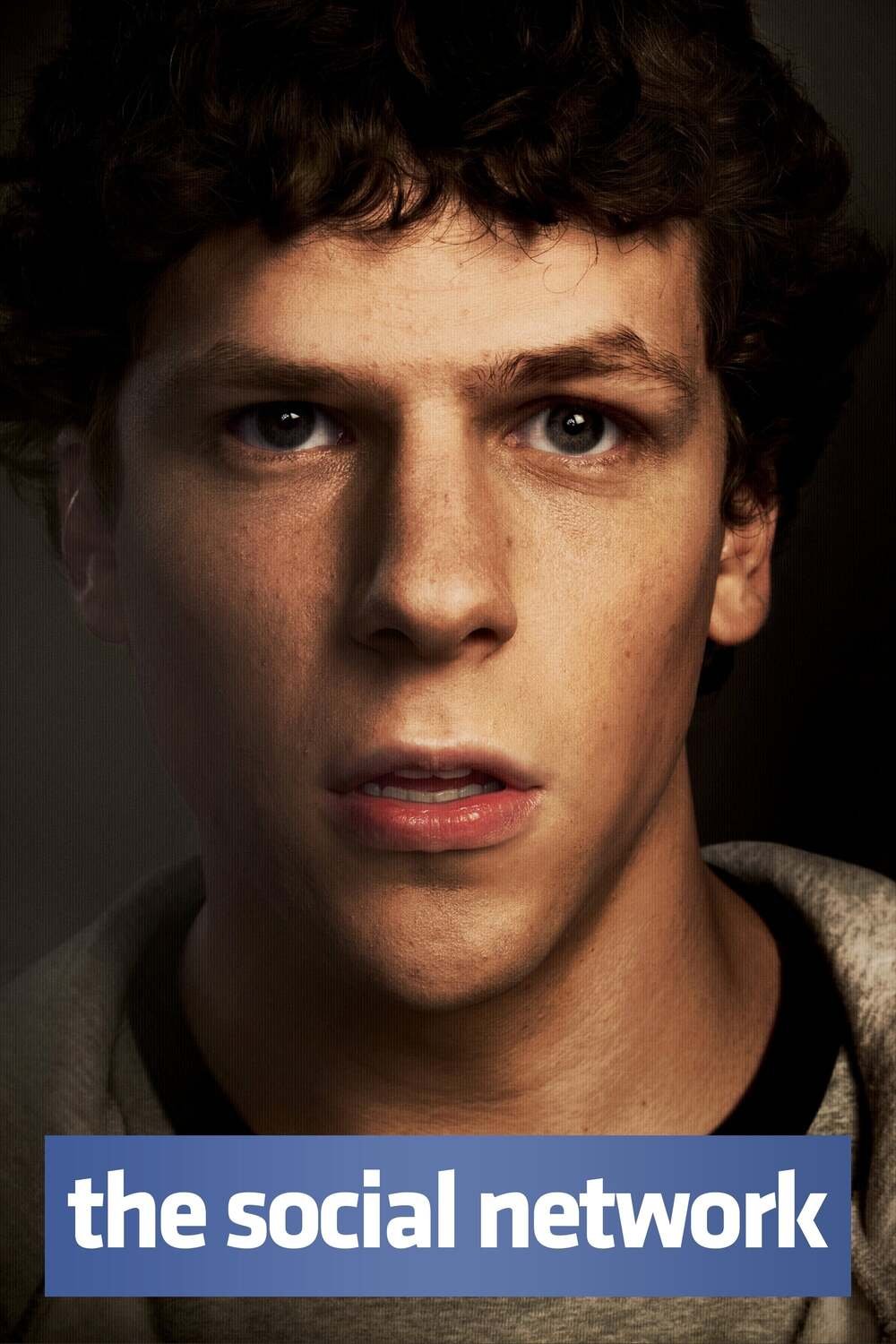
There are few films that grab you by the collar, drag you through the thrilling chaos of creation, and leave you gasping in the uncomfortable silence of consequence. The Social Network is one such cinematic tour de force; a ruthless portrait of ambition coded in betrayal, powered by intellect, and smeared in legal ink. It’s not just about Facebook. It’s about the combustible chemistry of genius and ego, and how the future of human connection was born in a dorm room and buried in courtrooms.
When David Fincher’s lens meets Aaron Sorkin’s pen, the result is less movie and more manifesto. With every whip-smart line and low-lit scene, you’re hurled into the whirlwind of Harvard privilege, competitive spite, and the kind of entrepreneurial savagery that defined the early 2000s tech boom. Mark Zuckerberg isn’t portrayed as a villain, nor as a hero. He’s something far more provocative: a mirror reflecting our obsession with disruption, and the moral ambiguity of winning.
What elevates this film beyond a typical biopic is how effortlessly it dissects the anatomy of betrayal. Eduardo Saverin’s implosion, the Winklevoss twins’ patent indignation, Sean Parker’s smooth seduction; every character is a Shakespearean puzzle of trust, envy, and power plays. The dialogues cut like scalpels, dissecting loyalty with the same precision that Zuckerberg applies to his code.
But beneath the caffeine-soaked coding binges and campus cocktail parties lies a deeper emotional current. Loneliness. The film’s genius is how it smuggles isolation into the heart of success. Zuckerberg’s need to connect with the world paradoxically breeds the very technology that distances him from it. It’s not just tragic; it’s surgical storytelling.
The Social Network doesn’t ask for your sympathy. It demands your discomfort. And that’s what makes it a masterpiece. If you’ve ever wondered how far someone might go to matter, to not be invisible, this movie offers one answer: as far as the code runs and the lawsuits follow.
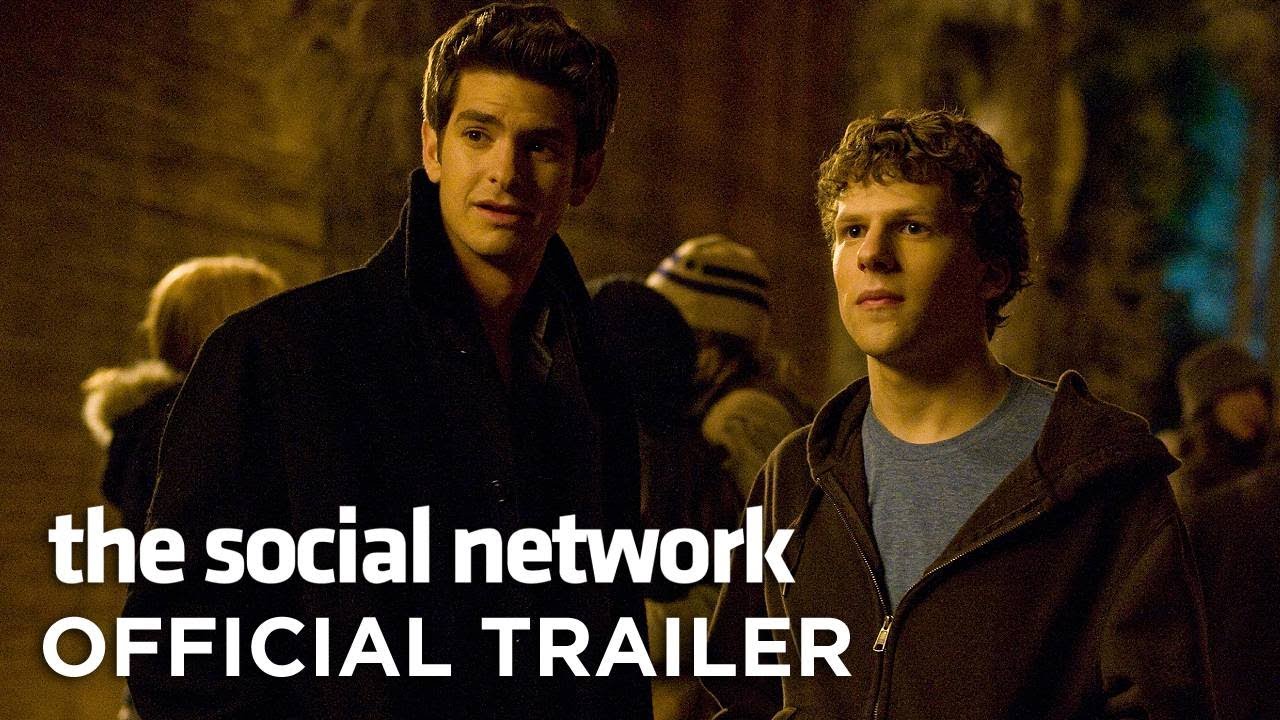
Quick Notes
- Founding Frenzy: The film follows Mark Zuckerberg’s meteoric rise from a socially awkward Harvard sophomore to the youngest billionaire in history through the controversial founding of Facebook.
- Code, Courtrooms, and Chaos: It’s a story told in flashbacks during two brutal depositions; lawsuits from his former best friend and the Harvard twins who claim he stole their idea.
- Genius with a Cost: Jesse Eisenberg delivers a masterclass in portraying brilliance twisted by insecurity, while Andrew Garfield’s emotional unraveling is hauntingly authentic.
- Dialogue that Dazzles: Aaron Sorkin’s screenplay fires on all cylinders; quick-witted, acerbic, and razor-sharp in its commentary on ambition, friendship, and betrayal.
- Not Just Facebook: More than a tech origin tale, the movie explores the price of innovation, the loneliness of power, and the blurred lines between success and sacrifice.
Friend Requests, Frenemies, and Fortune
At Harvard University in 2003, Mark Zuckerberg is just another brilliant but socially invisible computer geek. After a messy breakup, he channels his heartbreak into coding a site called “Facemash”; a hot-or-not comparison site that crashes the university’s servers overnight. This reckless act earns him disciplinary action, a reputation, and the attention of the privileged Winklevoss twins, who pitch him the idea of building a Harvard-exclusive dating network. Mark nods along. Then ghosts them.
With seed money from his only friend Eduardo Saverin, Mark builds “TheFacebook,” launching it exclusively to Harvard students. The site spreads like wildfire, leaping from Ivy League campuses to Stanford and beyond. As the site’s popularity explodes, so does tension. Eduardo envisions a cautious path to monetization, while Mark wants growth at any cost. Enter Sean Parker, the wild-eyed Napster co-founder who dazzles Mark with his Silicon Valley bravado and dreams of a global empire.
As Facebook expands, Eduardo finds himself increasingly sidelined. His shares are diluted, his input ignored, and his trust shattered. Sean worms his way into Mark’s inner circle, intoxicated by the power and the parties. The betrayal becomes formalized in a brutal legal ambush, where Eduardo’s shares are reduced to nearly nothing. The fallout is swift and devastating, not just financially, but personally.
Meanwhile, the Winklevoss twins and their partner Divya Narendra sue Mark for intellectual property theft. They argue he stole their concept while stringing them along. The legal war plays out in parallel to Facebook’s exponential growth, revealing not just the ruthlessness of its rise, but the emotional debris left behind; friendships shattered, trust obliterated, egos crushed.
The movie ends not with triumph, but with quiet tragedy. Mark, now a billionaire, sits alone refreshing a Facebook friend request he sent to the ex-girlfriend who inspired it all. No cheering crowds, no moral high ground; just a lonely genius staring at the empire he built from the rubble of relationships. It’s a brutal reminder: in the race to connect the world, he disconnected from everyone who once mattered.
Key Lessons and Insights to Learn from the Movie
Trust is fragile, and in the high-stakes world of startups, it’s often the first casualty. Eduardo Saverin believed friendship could weather the storm of ambition, only to find his equity slashed and his bond with Mark disintegrated. This teaches us that relationships built without clear agreements and mutual respect are vulnerable to implosion, especially under the pressure of success. Transparency isn’t optional; it’s foundational.
Ideas are cheap, but execution is everything. The Winklevoss twins had the concept. Zuckerberg had the drive, the code, and the timing. This doesn’t make theft excusable, but it highlights a brutal truth in business: whoever builds and scales the fastest often wins the narrative. It’s a controversial lesson, but in the tech world, momentum can sometimes overshadow morality.
The intoxicating allure of charisma can derail better judgment. Sean Parker enters like a rock star and convinces Mark to sideline Eduardo, promising explosive growth and Silicon Valley fame. Yet Parker’s eventual arrest for drug possession at a party funded by Facebook is a cautionary tale. Slick words and visionary dreams should never replace sound governance and loyalty.
Power isolates. Mark’s rise to fame is accompanied by an emotional decline. He becomes increasingly withdrawn, paranoid, and emotionally unreachable. It’s a masterclass in showing how ambition, when untethered from empathy, can strip even the most successful people of their humanity. You can win the game and still lose your soul.
Success doesn’t erase guilt or regret. The last scene, where Mark refreshes his ex-girlfriend’s Facebook profile in hope, is heart-wrenching. Despite his billions, the man who connected the world is still waiting for personal validation. It’s a haunting image that underscores a universal truth: external success means little if you’re starving for internal peace.
When Winning Feels Like Losing
There’s something eerily quiet about the ending of The Social Network. No celebration. No heroic music. No cheering crowds. Just Mark Zuckerberg alone in a fluorescent-lit conference room, refreshing a Facebook page he built to impress someone who no longer cares. That silence? It echoes louder than any applause. The film doesn’t just conclude; it lingers like a question that haunts more than it answers.
This isn’t a story of triumph. It’s a story of transformation of a socially awkward genius who rewired the world’s relationships while sacrificing his own. And that’s what makes it more than a biopic. It’s a morality play. Fincher and Sorkin don’t hand out medals or blame. They present the messy truth: that ambition is both a gift and a poison, often administered in equal measure.
Technological revolutions don’t come wrapped in virtue. They arrive in fragments fueled by sleepless nights, bruised friendships, and legal fees. Mark’s journey from dorm coder to tech overlord shows how easily ethics are sidelined when scale becomes the obsession. That isn’t just Facebook’s origin story; it’s the startup era’s blueprint.
And yet, the film doesn’t ask us to hate Mark. It asks us to understand him. To see the boy who wanted to belong so badly that he built an empire just to prove he could. That subtle ache runs through every frame. It’s not just his story; it’s ours. Because we’ve all wanted to be seen. We’ve all made compromises to matter.
When the screen fades to black, you don’t feel closure. You feel cold. You feel curious. You feel… conflicted. And that, more than anything, is why The Social Network remains a masterpiece. Not because it glorifies success but because it dares to question the cost.
Disclaimer
It’s also critical to remember that whether the Movie is either a work of fiction or a real-life depiction, it must be emphasized that the actions depicted within are not encouraged in reality and shouldn’t be imitated. The review aims to analyze the storytelling, characters, and business decisions portrayed in the Movie solely for educational and entertainment purposes. Any ethical & unethical practices highlighted in the Movie are not endorsed by the Esyrite publication.
Why scroll… When you can rocket into Adventure?
Ready to ditch the boring side of Life? Blast off with ESYRITE, a Premier Management Journal & Professional Services Haus—where every click is an adventure and every experience is enchanting. The ESYRITE Journal fuels your curiosity to another dimension. Need life upgrades? ESYRITE Services are basically superpowers in disguise. Crave epic sagas? ESYRITE Stories are so wild, your grandkids will meme them. Want star power? ESYRITE Promoted turns your brand cosmic among the stars. Tired of surface-level noise? ESYRITE Insights delivers mind-bending ideas, and galactic-level clarity straight to your inbox. Cruise the galaxy with the ESYRITE Store —a treasure chest for interstellar dreamers. Join now and let curiosity guide your course.
