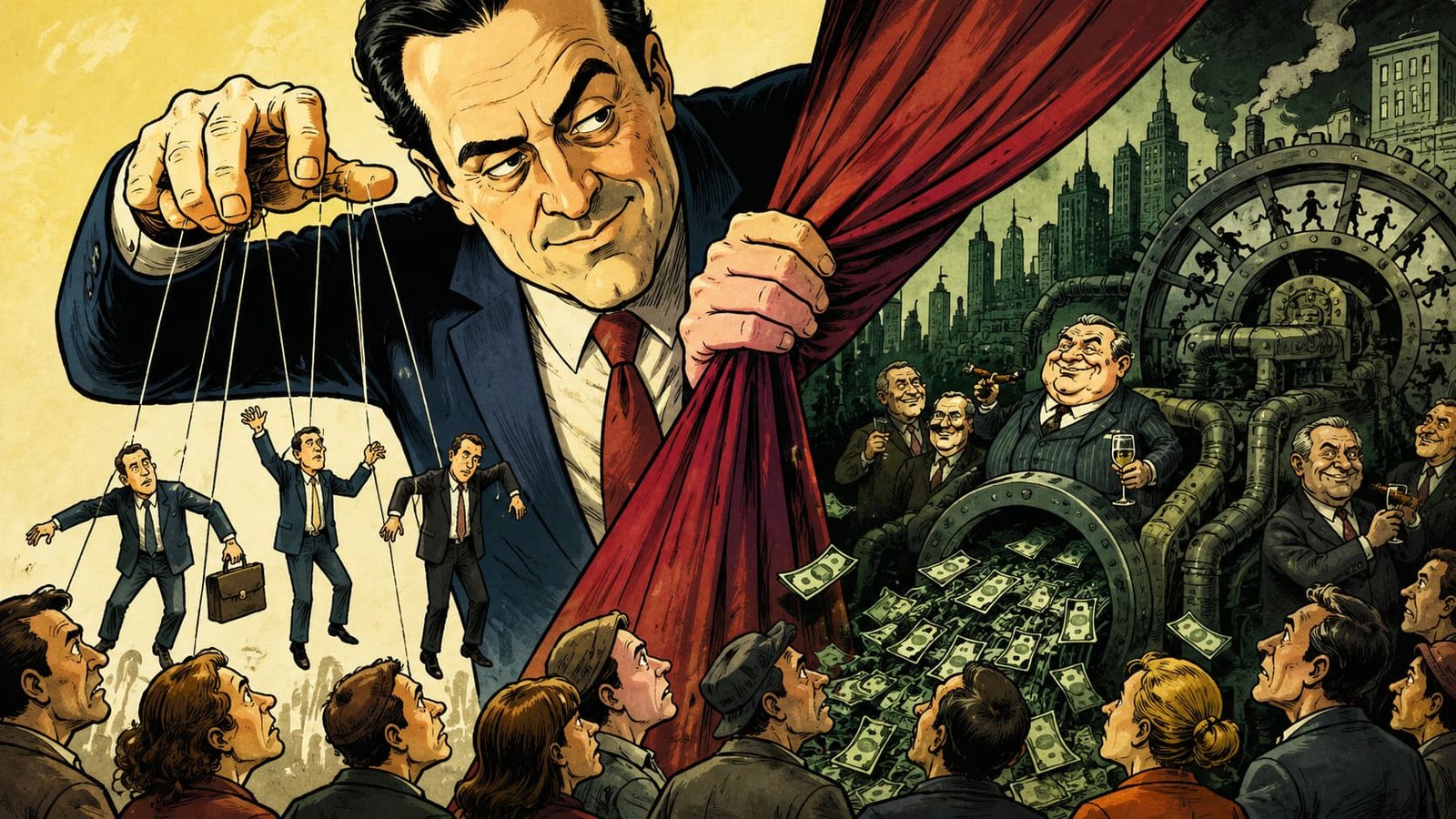
The private jet landed smoothly while factory workers somewhere else emptied lockers beneath fluorescent light. Luxury watches flashed during investor conferences as exhausted families stared at foreclosure notices spread across kitchen tables stained with cold coffee and unpaid hope. Dirty Money does not arrive politely. It tears through the polished mythology surrounding corporate prestige and exposes a brutal truth hidden beneath modern capitalism: many institutions celebrated as engines of prosperity are often powered by deception sophisticated enough to wear respectability like a tailored suit. The series feels less like documentary television and more like walking through a museum dedicated to organized rationalization.
Each episode functions as a case study in moral erosion. Executives rarely begin as cartoon villains plotting destruction beside dimly lit windows. The show understands corruption usually arrives incrementally. A small compromise protects quarterly numbers. Another adjustment calms investors. Someone manipulates emissions data “temporarily.” Someone hides predatory lending practices because growth targets demand momentum. Before long entire organizations operate inside alternate realities where fraud becomes normalized language. That gradual slide makes the series deeply unsettling. Viewers recognize how ordinary many decisions initially appear. Institutional collapse rarely announces itself dramatically at first. It whispers.
The episode centered on the Volkswagen emissions scandal remains especially haunting because it exposes the collision between engineering brilliance and corporate fear. Thousands of talented employees worked inside a system obsessed with dominance and market perception. Eventually software designed to cheat environmental testing became easier than admitting failure publicly. That detail matters. Organizations under extreme performance pressure often drift toward ethical shortcuts when identity becomes tied to invincibility. The scandal was not merely technological misconduct. It was psychological. Pride infected process. Leadership rewarded outcomes more aggressively than honesty. The consequences rippled across governments, consumers, and public trust.
A compliance officer named Mara Duvall once described sitting inside a luxury hotel ballroom during a banking conference where executives celebrated “customer empowerment” while privately discussing strategies designed to maximize debt dependency among vulnerable clients. One presenter clicked through slides about community values moments before joking casually about default penalties increasing revenue. Mara later admitted the room suddenly felt colder than the air conditioning could explain. Nobody challenged the contradiction because everyone benefited from it. Dirty Money captures that atmosphere with surgical precision. The danger is rarely one evil mastermind. It is collective participation in systems rewarding moral silence.
The series becomes even more powerful because it dismantles the fantasy that elite institutions naturally produce ethical behavior. Society often associates expensive education, corporate sophistication, and polished branding with credibility. Dirty Money repeatedly shows the opposite can be true. Intelligence without accountability becomes dangerous. Prestige without conscience becomes predatory. One episode about payday lending reveals how financial systems monetize desperation while hiding behind legal complexity and marketing language. Another explores pharmaceutical greed with the emotional intensity of a horror story unfolding through spreadsheets and board meetings rather than haunted houses. The horror lands harder because it actually happened.
There is a strange emotional texture running beneath the series. Executives speak confidently during interviews, yet small pauses and facial expressions sometimes reveal deeper discomfort. Employees rationalize questionable practices because mortgages, promotions, and institutional loyalty complicate moral clarity. The audience begins understanding how systems train people to fragment themselves psychologically. A person can love family deeply while helping sustain harmful structures professionally. That contradiction sits at the center of many modern organizations. Dirty Money refuses simplistic morality because reality itself rarely operates cleanly.
A logistics entrepreneur named Tobias Mensah once uncovered fraudulent billing practices inside a regional shipping consortium after noticing tiny discrepancies repeated across invoices. Senior partners advised him quietly to ignore the issue because exposing it could destabilize valuable contracts. Tobias spent weeks wrestling with the decision. Reporting the misconduct risked destroying relationships he spent years building. Remaining silent felt corrosive. He finally escalated the evidence publicly. Several executives resigned. Tobias lost clients immediately afterward. Years later he admitted the experience permanently altered how he viewed professional success. Wealth looked less impressive once he understood how much silence often protects it. That emotional conflict pulses through every episode of Dirty Money.
The documentary also functions as a mirror held against cultural worship of scale and dominance. Companies celebrated for innovation or explosive growth frequently become too powerful for ordinary scrutiny. Public admiration creates protective mythology. Consumers defend brands emotionally because identity becomes attached to consumption itself. Politicians hesitate. Regulators stall. Media narratives soften around influence. Then eventually the illusion fractures through whistleblowers, leaked documents, or catastrophic consequences impossible to hide any longer. The pattern repeats across industries with eerie consistency. Different logos. Same hunger.
Far beyond the glowing headquarters and public apologies, office towers still shimmer at midnight while exhausted analysts adjust forecasts designed to keep shareholders calm for another quarter. Somewhere nearby, another employee notices something unethical and quietly decides whether survival matters more than truth. Elevators hum. Contracts print. Cameras flash during press conferences rehearsed to sound accountable without threatening power. That is the lasting ache beneath Dirty Money. The series reveals that modern corruption rarely looks monstrous from the inside. It looks efficient, ambitious, respectable, and frighteningly ordinary. The most dangerous systems are not the ones openly announcing evil intentions. They are the ones convincing decent people that compromise is simply the price of staying relevant in a world addicted to winning.
Editorial Disclaimer: Whether a TV Show is rooted in fiction or inspired by real events, the actions, decisions, and behaviors portrayed within are not intended to be encouraged, replicated, or endorsed in real-world settings. This review exists solely to analyze the storytelling, characters, themes, and business dynamics presented in the TV Show for educational, analytical, and entertainment purposes. Any ethical or unethical conduct depicted in the TV Show does not reflect the views, values, or endorsements of ESYRITE.
