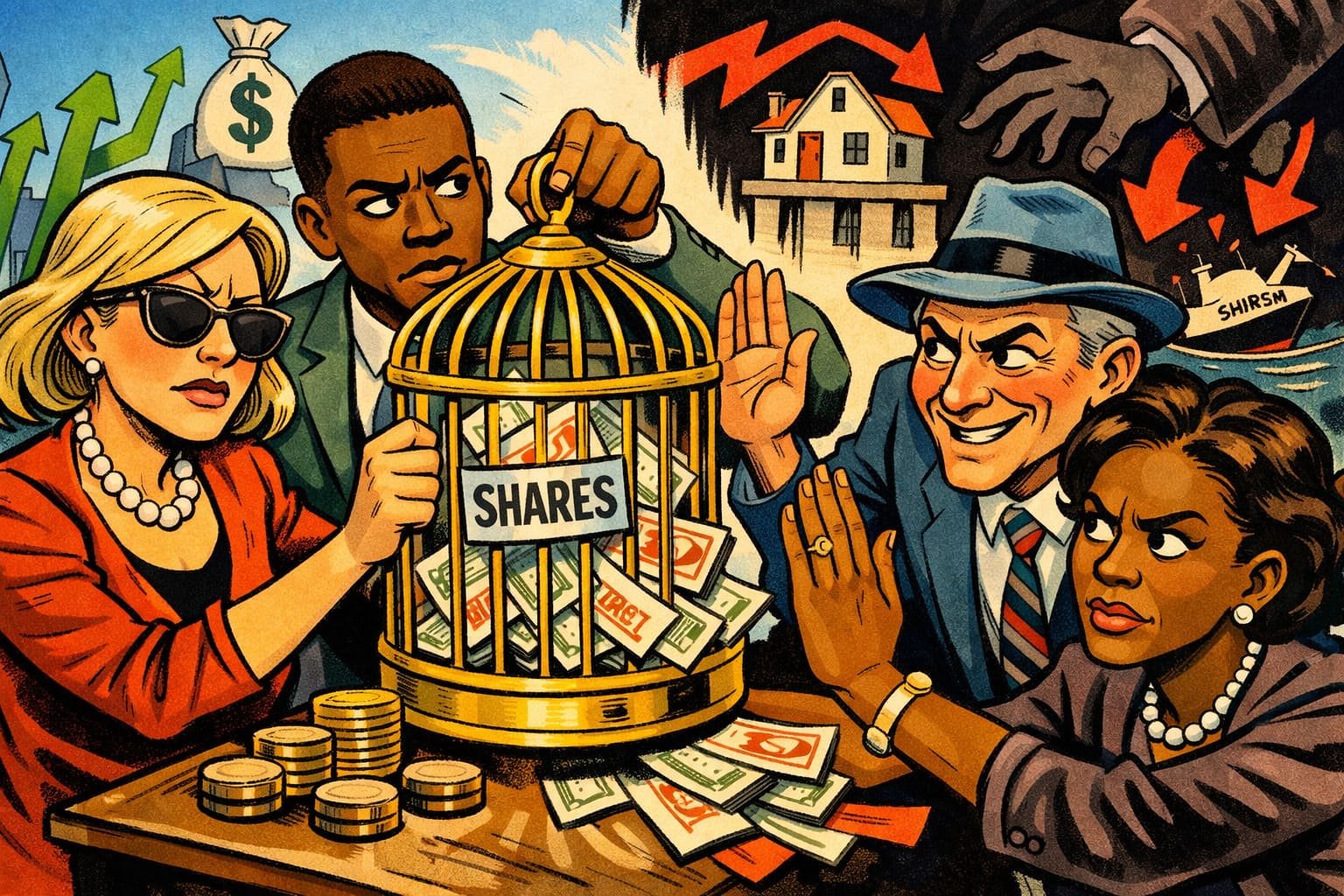
The signatures looked effortless. Pens moved across expensive paper, lawyers exchanged polite smiles, and everyone congratulated the owner for reaching another milestone. Hidden beneath that polished ceremony was an uncomfortable reality few people in the room fully appreciated. Ownership was changing hands, but the real cost extended far beyond the agreed purchase price. Share transfers can quietly erode business value when planning begins too late. The transaction may appear simple from the outside while silently creating financial, operational, and emotional consequences that linger for years.
Many business owners assume transferring shares is little more than a legal exercise. The truth is far more demanding. Every ownership change affects governance, taxation, decision-making authority, investor confidence, and long-term strategy. Poorly structured transfers often trigger unnecessary costs that reduce wealth for both sellers and successors. Strong businesses treat share transfers as strategic events rather than administrative paperwork. Planning early creates options. Waiting until circumstances force action usually limits them.
The strongest owners understand that protecting value begins long before signatures appear on contracts. Shareholder agreements should remain current. Business valuations should reflect commercial reality rather than emotional attachment. Independent legal and financial advice provides objectivity that family members or close partners sometimes struggle to offer. Every document should support future stability instead of simply completing today’s transaction. Preparation removes uncertainty, and uncertainty is one of the fastest destroyers of business value.
Miriam owned a successful regional manufacturing company built across three decades. When she decided to transfer shares to the next generation, several relatives expected an equal distribution without further discussion. Her advisory team encouraged a different approach. Ownership rights, voting authority, governance responsibilities, and succession expectations were carefully documented before the transfer occurred. Difficult conversations happened early while emotions remained manageable. Years later, the family still credited those uncomfortable meetings with preventing disputes that could have damaged both relationships and the business itself.
Large organizations demonstrate similar discipline. Berkshire Hathaway has consistently emphasized long-term stewardship, governance, and succession planning alongside ownership considerations. Investors value stability because predictable leadership and thoughtful ownership structures reduce uncertainty. Although every privately owned business faces different circumstances, the underlying principle remains remarkably consistent. Well-planned ownership transitions strengthen confidence. Poorly planned transfers create unnecessary risk that eventually affects valuation.
Another overlooked cost involves communication. Employees often notice ownership changes before official announcements arrive. Suppliers become cautious. Customers quietly question whether service standards will remain unchanged. Lenders review risk more carefully. Silence encourages speculation, and speculation rarely favors the business. Clear communication reassures stakeholders that strategy, leadership, and operational discipline remain intact. Trust grows when leaders explain change with honesty instead of allowing uncertainty to fill the gaps.
Successful share transfers also require founders to rethink legacy. Ownership should not become a prize handed to the closest relative or longest-serving partner without considering capability. Stewardship demands preparation, accountability, and commitment to the organization’s future. Businesses survive because responsible owners protect opportunities for the next generation instead of preserving personal control. That shift in perspective often becomes the difference between lasting prosperity and gradual decline. True legacy is measured by continuity, not possession.
Long after legal documents are archived and ownership registers updated, another story continues unfolding inside the business. The strongest companies rarely celebrate the transaction itself. They celebrate the confidence it created. Value survives because preparation replaced improvisation, discipline replaced emotion, and stewardship replaced entitlement. Every successful share transfer quietly proves one timeless lesson: wealth is not protected by ownership alone. It is protected by the wisdom with which ownership is passed forward.
