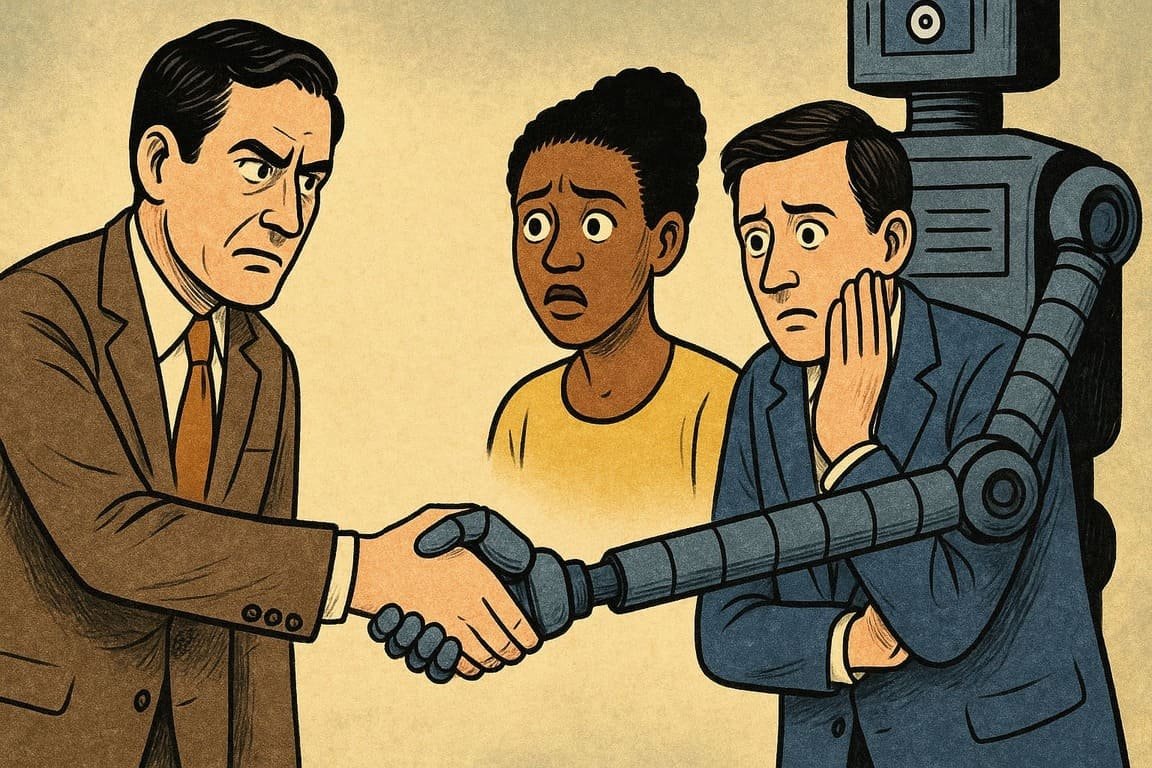
A hotel lobby buzzed with polished conversations, rolling suitcases, and quiet confidence while another negotiation unfolded where nobody could see it. One algorithm adjusted a room price. Another evaluated a loyalty score. A payment processor assessed fraud risk before the card reached the reader. No signatures appeared. No handshake happened. Yet countless invisible agreements shaped the outcome long before two people smiled across the reception desk.
Modern commerce depends upon machines negotiating with other machines at extraordinary speed. Recommendation engines compete for attention, advertising platforms bid for milliseconds of visibility, logistics software reroutes deliveries, and financial systems approve transactions before customers finish blinking. Efficiency has never been greater. Hidden coordination has never been deeper. Most people still imagine business as conversations between humans, yet much of today’s economy functions through automated exchanges quietly determining opportunities, priorities, and outcomes.
Visa processes enormous volumes of digital payments by allowing sophisticated systems to evaluate transactions for potential fraud almost instantly. Uber continuously matches riders, drivers, traffic conditions, and pricing through automated decisions that balance supply with demand across changing environments. Both organizations demonstrate how invisible digital coordination creates remarkable convenience. They also reveal an important truth. Every automated agreement influences people who rarely understand why one outcome appeared while another quietly disappeared.
Jamal submitted identical proposals to several online marketplaces after expanding his independent design business into international markets. One platform consistently buried his listings without explanation, while another steadily promoted them despite nearly identical customer reviews. Weeks later he realized unseen ranking systems had become silent business partners deciding which opportunities reached real buyers. Across another industry, warehouse manager Elena watched purchasing software negotiate supplier orders automatically. Costs fell, although trusted local vendors slowly vanished because algorithms favored measurable efficiency over longstanding relationships.
Invisible agreements create tremendous value when transparency, accountability, and oversight accompany automation. Problems emerge when organizations cannot explain why important decisions occurred or who remains responsible when mistakes appear. Trust has always depended upon understanding intentions, correcting errors, and questioning outcomes. Those qualities become harder to preserve once negotiations happen inside systems that continuously learn, optimize, and evolve without offering meaningful explanations to the people affected by their choices.
Dim lanterns reflected across calm harbor water while dozens of ships rested quietly beneath an enormous night sky, each connected by currents nobody could see. Navigation depended upon forces hidden beneath the surface long before captains raised another sail. Digital society now sails across similar waters every day. Invisible coordination will keep expanding, but lasting confidence will belong to organizations willing to illuminate how their machines make decisions before trust quietly drifts away. Which unseen handshake is shaping your future today?
