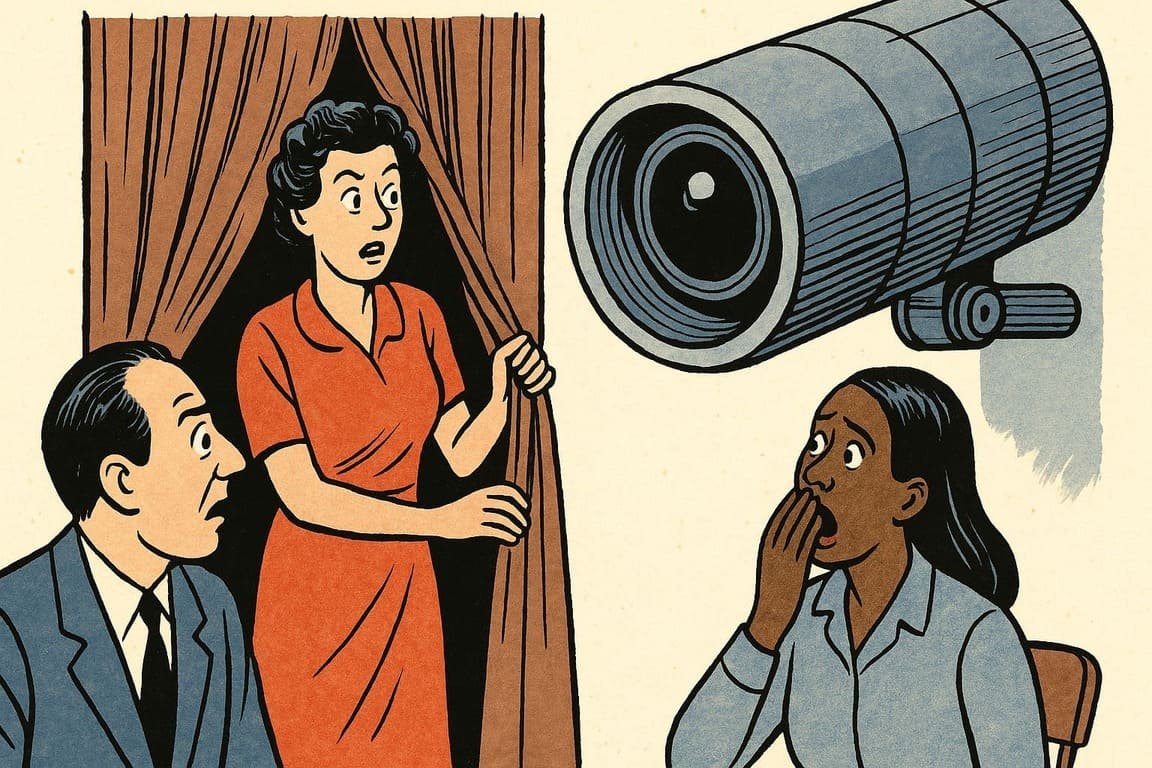
A glowing apartment window hangs above a rain-soaked street while countless tiny screens flicker like distant stars, each reflecting another ordinary evening. Nobody appears alarmed. A grocery list is saved, a location shared, a voice assistant answers politely, and another harmless click disappears into digital memory. That ordinary rhythm hides an uncomfortable question. Privacy rarely disappears through dramatic theft. Far more often, it slips away through thousands of moments that feel too small to matter until they suddenly do.
Convenience has quietly rewritten the relationship between people and information. Digital services no longer wait for instructions because they increasingly anticipate preferences, routines, destinations, and purchasing habits before anyone consciously expresses them. That prediction feels magical during a busy afternoon. It also creates an expanding portrait assembled from fragments that rarely look sensitive in isolation. Search history, shopping behavior, commuting routes, streaming choices, wearable devices, and payment records become pieces of a remarkably detailed identity that no diary could ever capture.
Apple built much of its recent reputation around privacy as a competitive advantage, treating data protection as part of its brand rather than merely another compliance exercise. Google has simultaneously demonstrated how personalization creates extraordinary convenience by organizing information through signals collected across countless interactions. Neither example proves that technology is inherently good or harmful. Instead, both reveal a deeper reality. Modern platforms compete by understanding people more accurately than those people often understand themselves, creating value while raising difficult questions about visibility, trust, and informed consent.
Maya accepted every default permission while launching an online bakery because deadlines mattered more than settings buried beneath lengthy menus. Months later, targeted advertisements mirrored conversations that never appeared in search boxes, leaving her strangely unsettled despite finding no obvious breach. Her business continued growing, yet confidence quietly shrank. Similar stories surface across industries because prediction systems depend less upon dramatic secrets than upon ordinary behavioral patterns repeated over time. Familiar habits often reveal motivations more clearly than dramatic personal confessions ever could.
This gradual shift changes more than advertising. Organizations increasingly rely upon behavioral signals to improve customer experiences, detect fraud, recommend products, allocate resources, and forecast future demand. Those capabilities create genuine economic and social value when governed responsibly. They also expose a dangerous misconception. Privacy is not merely about hiding embarrassing facts. It protects experimentation, independent thinking, changing opinions, and personal growth without every unfinished thought becoming permanent digital evidence interpreted by systems designed for optimization rather than human context.
Thunder fades across distant rooftops while illuminated windows remain scattered against an ink-dark skyline, each representing another life unfolding behind invisible digital connections. Nothing dramatic appears different. That familiarity is precisely why meaningful conversations about privacy often arrive too late, after habits have already hardened into infrastructure. Real freedom depends less on having nothing to hide than on preserving space to change without constant observation. Ask a harder question instead: who should decide which version of your story survives tomorrow?
