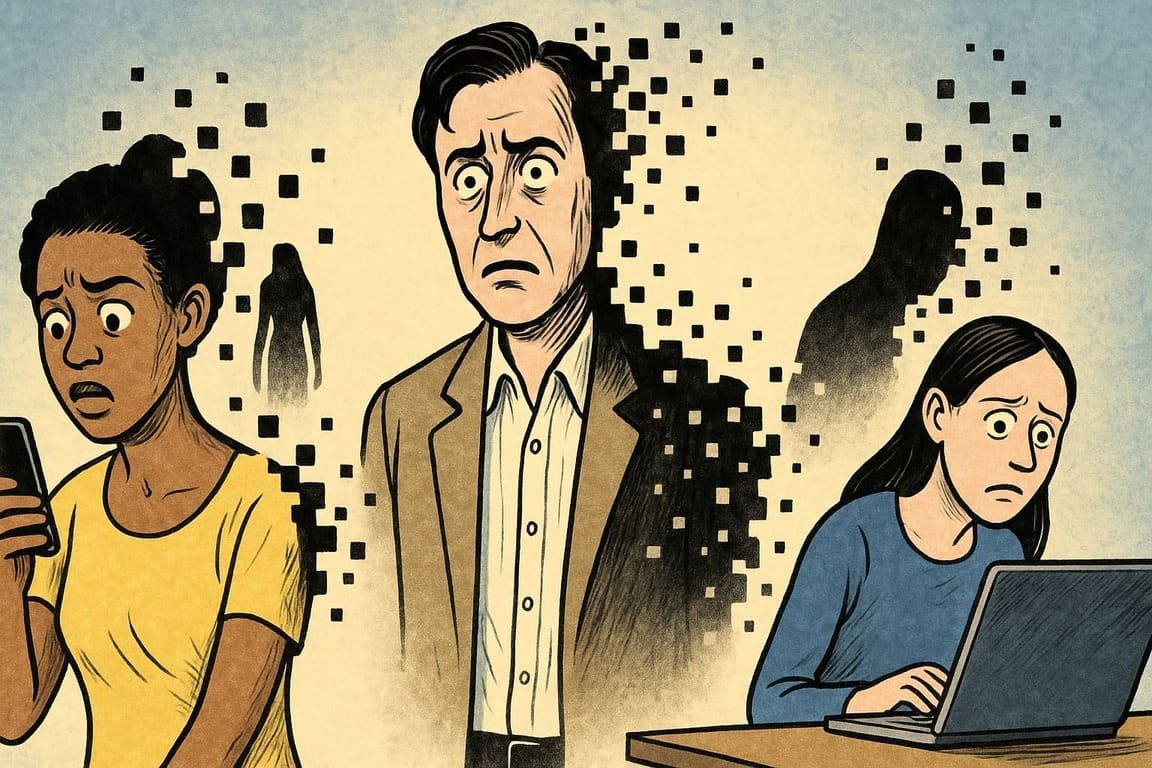
Applause erupted across a crowded conference hall as giant screens displayed smiling profile photos beside polished professional achievements. Every face looked confident. Every biography sounded complete. Yet outside those glowing displays, countless versions of those same people had already disappeared beneath years of deleted posts, forgotten passwords, abandoned accounts, and algorithmic reinvention. Identity had become strangely fluid. Modern life no longer preserves a single self. It quietly manufactures, edits, archives, and sometimes erases multiple digital versions without asking permission.
Earlier generations left behind handwritten letters, fading photographs, and stories carried through families. Digital life preserves far more information while making identity unexpectedly fragile. Profiles evolve, platforms disappear, search rankings change, and recommendation systems continuously reinterpret people through new behavioral patterns. That transformation creates a paradox. Technology records more than any civilization before it, yet authentic personal identity often becomes harder to recognize because algorithms prioritize relevance over continuity and engagement over context.
LinkedIn has transformed professional identity into a living document that changes with careers, endorsements, and evolving networks. TikTok has demonstrated how recommendation systems can rapidly redefine public visibility, turning unknown creators into global personalities almost overnight while quietly pushing others into obscurity. Neither platform creates human identity. They amplify selected fragments of it. Visibility increasingly depends upon algorithmic interpretation rather than personal intention, allowing digital reputation to drift independently from lived experience.
Alina closed her first startup after years of determined effort and accepted a role at a nonprofit organization focused on community education. Friends welcomed her new chapter, yet search results stubbornly highlighted outdated interviews describing ambitions she no longer recognized. Across another industry, hotel manager Marcus deleted several social media accounts after becoming a father, hoping for greater privacy. Months later archived posts continued circulating through unrelated websites, preserving conversations he believed had quietly disappeared with a single click.
Businesses increasingly face similar challenges. Customers expect transparency, employees reinvent careers, organizations reposition brands, and leaders publicly acknowledge changing priorities. Digital memory often struggles with those natural transitions because information spreads faster than correction. Strong governance therefore requires more than cybersecurity. It demands thoughtful stewardship of digital identity, ensuring people and institutions retain meaningful opportunities to evolve without outdated data becoming permanent definitions of who they once were.
Dust drifted through an abandoned cinema where faded posters still celebrated actors who had long stepped away from those unforgettable roles. Audiences remembered characters while real lives continued elsewhere, unseen beyond the screen. Digital identity now follows a similar script, preserving moments that may no longer reflect the people who created them. Wisdom begins when society values the freedom to become someone new instead of endlessly replaying yesterday’s version. Which part of your story deserves the chance to disappear?
